From Pharaohs to Plates: Reintroducing Ancient Superfoods for the Modern Palate and Health
Discover the power of Ancient Superfoods Modern Kitchen in transforming your meals and health with timeless, nutrient-rich ingredients.
Exoplanets are planets orbiting stars beyond our solar system, discovered through techniques like stellar dimming, revealing thousands of diverse worlds and expanding our understanding of the vast universe.
Imagine rediscovering the magic of Ancient Superfoods Modern Kitchen—ancient ingredients packed with nutrients that can transform your health and meals. Ever wondered how foods from the times of pharaohs can fit into today’s lifestyle? Let’s explore this fascinating connection!
The history and significance of ancient superfoods
Ancient superfoods have been valued for thousands of years due to their remarkable health benefits and cultural importance. Civilizations like the Egyptians, Incas, and Chinese incorporated these nutrient-rich foods into their diets, believing they boosted energy, longevity, and vitality. These foods were often seen as sacred gifts from nature, intertwined with spiritual and medicinal uses.
Many of these superfoods, such as quinoa, amaranth, and chia seeds, were staple crops that thrived in harsh environments, providing essential nutrients like protein, fiber, and antioxidants. Their significance is not just nutritional but also historical, connecting us to traditions and practices that sustained populations long before modern agriculture.
Today, rediscovering these ancient superfoods offers a way to embrace natural, nutrient-dense options that supported some of the world’s oldest and healthiest cultures. It also enlightens us on sustainable food systems and the importance of preserving biodiversity in agriculture.
Why They Matter Today
Understanding the history of ancient superfoods deepens our appreciation for their role in modern diets. Their resilience, nutrient profiles, and cultural stories provide valuable lessons as we seek healthier and more sustainable eating habits in the present day.
Nutritional benefits of ancient superfoods for modern diets
Ancient superfoods are rich sources of essential nutrients that support overall health and wellness. They often contain high levels of fiber, protein, vitamins, and minerals that are sometimes lacking in modern diets. For example, quinoa and amaranth are complete proteins, meaning they provide all nine essential amino acids necessary for muscle repair and immune function.
Many ancient superfoods also boast powerful antioxidants and anti-inflammatory compounds. Chia seeds and flaxseeds are loaded with omega-3 fatty acids, which promote heart health and reduce inflammation. These nutrients can help combat chronic diseases related to poor diet, such as diabetes and heart conditions.
How Ancient Superfoods Boost Modern Health
Incorporating these nutrient-dense foods can improve digestion, enhance energy levels, and support brain function. Their low glycemic index helps maintain stable blood sugar, making them ideal for weight management. Additionally, ancient superfoods often contain prebiotic fibers that nourish beneficial gut bacteria, enhancing gut health.
Because they are minimally processed and naturally grown, ancient superfoods align well with clean eating trends. They provide a nutrient-packed alternative to many processed foods high in sugar and unhealthy fats, making them a smart choice for those seeking balanced, wholesome nutrition.
Top ancient superfoods to reintroduce into your kitchen
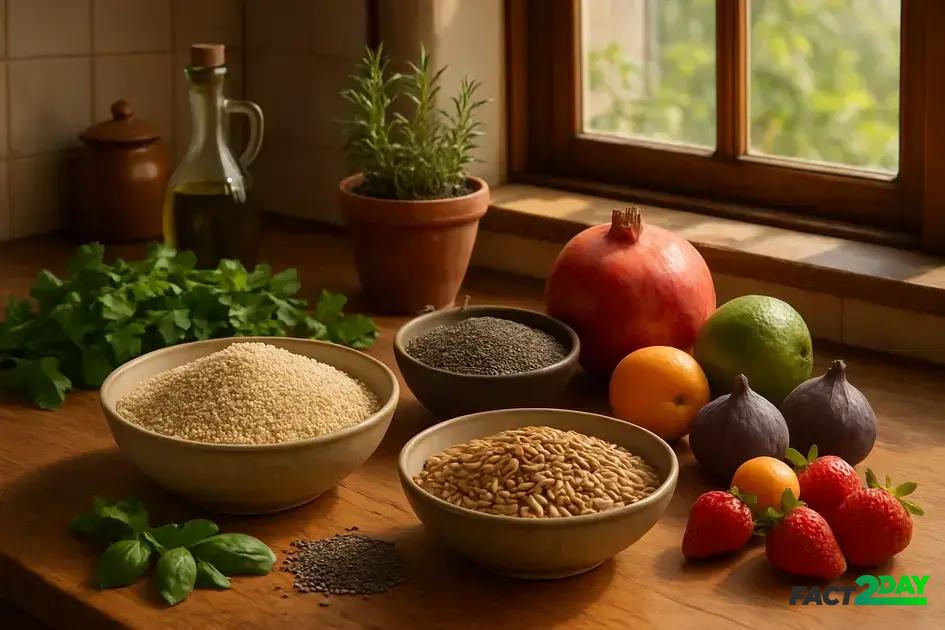
Reintroducing ancient superfoods into your kitchen can enhance nutrition and bring exciting flavors to your meals. Some of the top ancient superfoods to consider include quinoa, chia seeds, amaranth, and spelt. Each offers unique textures and health benefits.
Quinoa is a versatile grain rich in protein and fiber, perfect for salads, bowls, or as a rice substitute. Chia seeds are tiny but powerful, packed with omega-3 fatty acids and ideal for smoothies or puddings. Amaranth, another protein-rich grain, can be cooked like porridge and adds a nutty flavor to dishes.
Other Ancient Superfood Staples
Spelt, an ancient wheat variety, has more fiber and nutrients than modern wheat. It works well in bread, pasta, or baked goods. Teff, used to make Ethiopian injera, is gluten-free and a great source of calcium. Incorporating these superfoods can diversify your diet and boost nutrient intake.
Don’t forget seeds like flaxseed and hemp seeds, which add crunch and nutrition to yogurts or salads. These ancient ingredients are not only healthy but also help connect us to age-old food traditions with modern culinary innovation.
How ancient grains are making a comeback today
Ancient grains like quinoa, farro, spelt, and millet are increasingly popular in today’s kitchens due to their rich nutritional profiles and unique flavors. These grains were staples in diets centuries ago but were largely replaced by more common refined grains. Now, there’s a growing movement to bring them back as part of a healthy and diverse diet.
Ancient grains are naturally high in fiber, protein, and essential minerals such as iron and magnesium. They offer health benefits like improved digestion and stable blood sugar levels, making them ideal for modern health-conscious consumers.
Why They Are Gaining Popularity
The modern food industry’s shift toward whole, unprocessed foods has helped ancient grains regain attention. They cater to gluten-sensitive individuals when gluten-free options like quinoa and millet are chosen. Plus, their versatility allows them to be used in salads, soups, breads, and even breakfast cereals.
Farmers and producers are also promoting these grains as sustainable crops that require less water and pesticides, which makes them attractive for environmentally-conscious consumers. The reintroduction of ancient grains supports biodiversity and encourages healthier agricultural practices.
Harnessing the power of medicinal herbs from antiquity
Medicinal herbs from ancient times have long been valued for their healing properties and natural benefits. Herbs like turmeric, ginger, ginseng, and holy basil were used in traditional medicine to treat a variety of ailments and boost overall health.
Turmeric contains curcumin, a powerful anti-inflammatory compound that can help reduce pain and improve joint health. Ginger is known for easing digestion and reducing nausea, while ginseng is often used to enhance energy and mental clarity.
Ancient Wisdom in Modern Health
Many of these herbs have antioxidant effects, helping the body fight oxidative stress and support the immune system. Holy basil, also called tulsi, is renowned for reducing stress and promoting relaxation.
Today, these herbs can be harnessed in various forms—teas, tinctures, supplements, or added directly to meals—to integrate ancient healing into modern routines. Their natural origins and proven benefits make them valuable allies for those seeking holistic wellness.
The role of ancient superfoods in sustainable eating
Ancient superfoods play a vital role in promoting sustainable eating by offering nutrient-rich options that support environmental health. Unlike many modern crops, these foods are often grown using traditional methods that preserve soil quality and biodiversity.
Many ancient grains and seeds, such as quinoa, amaranth, and millet, require less water and fewer pesticides than conventional crops. Their resilience to harsh climates makes them ideal for sustainable agriculture, helping farmers adapt to changing environmental conditions.
Supporting Local and Diverse Food Systems
Choosing ancient superfoods also encourages local farming and the preservation of heirloom varieties. This supports farmers and helps maintain genetic diversity, which is crucial for food security.
Incorporating ancient superfoods into diets reduces reliance on heavily processed foods and industrial farming. This not only benefits personal health but also limits environmental impact by lowering carbon footprints and reducing waste.
Ways to incorporate ancient seeds into everyday meals
Incorporating ancient seeds like chia, flax, hemp, and pumpkin seeds into everyday meals is simple and boosts both nutrition and flavor. These seeds are rich in omega-3 fatty acids, fiber, and protein, making them excellent additions to a balanced diet.
You can sprinkle chia or flax seeds over your morning yogurt or oatmeal for an extra crunch and nutrition boost. Hemp seeds are great in smoothies or salads, offering a mild, nutty flavor without overpowering other ingredients.
Creative Ways to Use Ancient Seeds
Try adding pumpkin seeds to baked goods such as bread or muffins to enhance texture and add healthy fats. Chia seeds also serve as a natural thickener in puddings or can replace eggs in vegan baking when mixed with water.
Ancient seeds can be ground into flours for gluten-free baking, mixed into energy bars, or blended into dressings and sauces. Their versatility and health benefits make them easy to integrate into snacks, meals, and desserts without much effort.
Ancient fruits and their health-boosting properties
Ancient fruits such as pomegranates, figs, dates, and goji berries are packed with vitamins, antioxidants, and minerals that provide numerous health benefits. These fruits have been consumed for centuries for their ability to support immune function, improve digestion, and promote heart health.
Pomegranates are rich in antioxidants like punicalagins and vitamin C, which help reduce inflammation and protect cells from damage. Figs contain dietary fiber and essential minerals like calcium and potassium that support bone health and digestion.
Health Benefits of Ancient Fruits
Dates offer natural sweetness along with important nutrients such as magnesium and vitamin B6, aiding energy metabolism and nervous system health. Goji berries are known for their immune-boosting properties and rich supply of antioxidants that help combat aging and disease.
Including these ancient fruits in your diet can enhance overall well-being by providing natural, nutrient-dense foods that support long-term health. They can be enjoyed fresh, dried, or added to various dishes for both flavor and nutrition.
Fermentation and preservation techniques from ancient times
Fermentation and preservation techniques have been used since ancient times to extend the shelf life of food and enhance its flavor and nutritional value. Methods like fermenting vegetables, curing meats, and drying fruits helped early civilizations store food safely through harsh seasons.
Fermentation transforms food by using natural bacteria and yeasts to create beneficial probiotics. Foods like sauerkraut, kimchi, and tempeh are classic examples that not only preserve foods but also support gut health by promoting good bacteria.
Ancient Preservation Practices
Drying fruits and meats allowed people to carry nutrient-dense foods on long journeys. Salting and smoking were other popular techniques to inhibit bacterial growth. These methods not only saved food but created unique flavors that influence many modern recipes.
Rediscovering these ancient techniques today offers a way to enjoy healthier, natural preservation methods without relying on artificial additives. They connect us to traditional culinary arts while supporting sustainable food practices.
Modern recipes inspired by ancient superfoods
Modern recipes inspired by ancient superfoods blend traditional ingredients with contemporary cooking techniques to create nutritious and delicious meals. Using staples like quinoa, chia seeds, and ancient grains, these recipes offer a fresh take on healthful eating.
Quinoa bowls combine cooked quinoa with fresh vegetables, lean protein, and flavorful dressings for a balanced meal. Chia seeds can be used in smoothies or overnight puddings, delivering texture and a nutritional boost.
Innovative Uses of Ancient Ingredients
Ancient grains like farro and spelt are incorporated into salads, soups, and hearty breads. Recipes also feature superfood snacks like energy bars and granolas made with nuts, seeds, and dried fruits. These dishes showcase versatility and ease without compromising nutrient density.
By integrating ancient superfoods into everyday cooking, you can enjoy foods that nourish the body and celebrate culinary heritage simultaneously.
Ancient superfoods and their impact on gut health
Ancient superfoods have a profound impact on gut health due to their high fiber content and natural probiotics. Foods like fermented grains, chia seeds, and ancient beans support digestion by feeding beneficial gut bacteria and promoting a healthy microbiome.
Fiber-rich superfoods such as quinoa and amaranth help maintain regular bowel movements and reduce inflammation in the digestive tract. Their complex carbohydrates are metabolized slowly, preventing blood sugar spikes and nurturing gut flora.
Probiotic Benefits from Ancient Foods
Fermented ancient superfoods like kimchi and sauerkraut introduce live cultures that replenish good bacteria in the gut. These probiotics aid in nutrient absorption and strengthen the immune system.
Integrating these nutrient-dense foods into your daily diet can improve digestion, boost immunity, and contribute to overall well-being by supporting a balanced and diverse gut microbiota.
Comparing ancient superfoods with modern supplements
Ancient superfoods and modern supplements both aim to support health, but they differ significantly in source and benefits. Ancient superfoods come from whole, natural foods like quinoa, chia seeds, and turmeric, offering a wide range of nutrients in their natural forms.
Whole food advantage means ancient superfoods provide fiber, antioxidants, vitamins, and minerals with minimal processing. This complexity helps the body absorb nutrients efficiently and supports overall wellness better than isolated compounds.
Modern Supplements: Convenience and Concentration
Supplements often contain concentrated doses of vitamins, minerals, or herbal extracts designed to target specific health issues. While convenient and sometimes medically necessary, they may lack the synergistic effects found in whole foods.
Choosing between ancient superfoods and supplements depends on individual needs. Incorporating ancient superfoods into daily meals provides natural, balanced nutrition, while supplements can fill gaps when diet alone is insufficient.
The cultural revival of ancient eating traditions
The cultural revival of ancient eating traditions is gaining momentum as people seek to reconnect with food’s roots and heritage. Many communities around the world are rediscovering traditional recipes and ingredients that have been passed down through generations.
This revival emphasizes the use of ancient superfoods like millet, barley, and wild herbs, which were central to historic diets. These foods not only offer rich nutrition but also carry stories and cultural significance.
Preserving Heritage Through Food
Reviving these traditions helps preserve biodiversity, local farming practices, and culinary diversity. It also fosters a sense of identity and community through shared meals and celebrations.
Modern chefs and home cooks alike are incorporating ancient grains and recipes into contemporary dishes, blending history with innovation. This movement highlights the importance of sustainable, honest food systems that honor the past while nourishing the present.
Tips for sourcing authentic ancient superfoods
Sourcing authentic ancient superfoods requires careful attention to quality, origin, and processing methods. To ensure you get the true benefits of these nutrient-rich foods, it is important to choose trusted suppliers and verify product authenticity.
Look for organic and non-GMO certifications to avoid pesticides and genetically modified ingredients. Purchasing from reputable brands or local farmers known for sustainable practices can enhance the quality and purity of your superfoods.
Where to Find Authentic Ancient Superfoods
Farmers’ markets, specialty health food stores, and online shops focusing on heritage grains and seeds are great places to start. Read product labels carefully and ask questions about sourcing to confirm the origin and traditional growing methods.
Storing superfoods properly, in airtight containers away from heat and moisture, also preserves their nutritional value. Being informed and selective ensures you enjoy the true advantages of ancient superfoods in your modern kitchen.
Bringing ancient superfoods into your modern kitchen
Ancient superfoods offer a powerful way to boost nutrition and reconnect with traditional eating habits. Their rich history and proven health benefits make them valuable additions to any diet.
By learning how to source, prepare, and include these foods in your meals, you not only enhance your health but also support sustainable and diverse food systems. Exploring ancient superfoods can open up exciting culinary possibilities while honoring the wisdom of the past.
Start small, try new recipes, and enjoy the journey of bringing these time-tested ingredients back to your table.