From Leeches to Lasers: The Bizarre and Brilliant Evolution of Ancient Medical Practices
Ancient medical practices reveal a fascinating journey from primitive remedies to modern innovations, transforming healing through the ages.
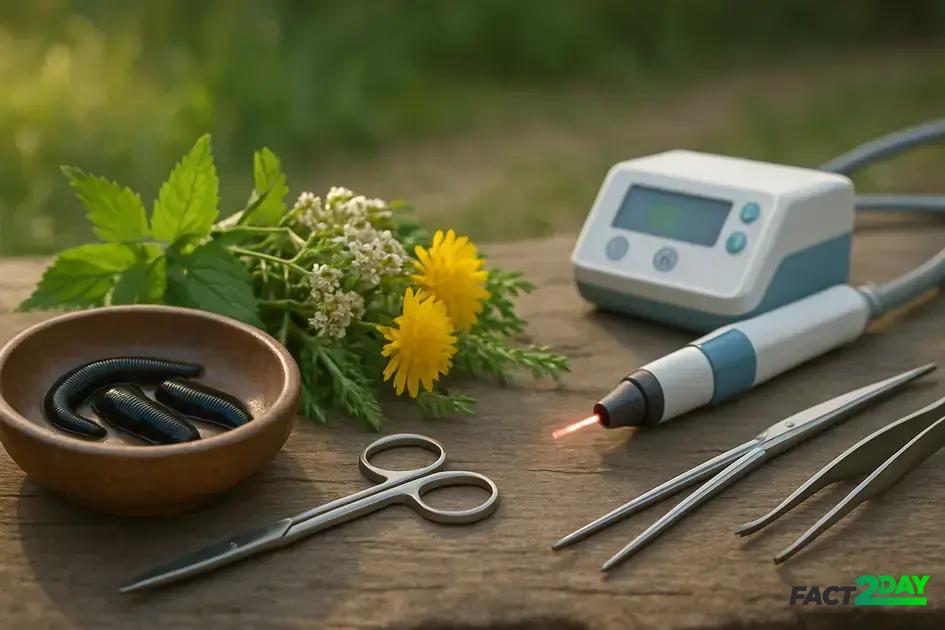
Ancient medical practices laid the foundation for modern medicine by using natural remedies and holistic approaches that continue to influence contemporary treatments and healthcare innovations.
Ancient medical practices offer a curious window into how humans have sought healing through centuries. Ever wondered how leeches led to laser surgeries? Let’s explore this intriguing evolution together.
early treatments and remedies in ancient cultures
Early treatments and remedies in ancient cultures were deeply rooted in observation and natural resources available at the time. Healing often involved herbs, minerals, and animal products, reflecting a close relationship between humans and nature. For example, ancient Egyptians used honey for its antibacterial properties, while Greeks practiced bloodletting to balance bodily fluids.
Many cultures believed illness was connected to spiritual or supernatural causes. Shamanic rituals and prayers were common alongside physical treatments. The use of leeches and poultices were widespread, aiming to remove toxins and promote healing.
Knowledge was passed down orally or through early writings, such as the Ebers Papyrus in Egypt and Ayurveda texts in India. These early medical practices laid the foundation for systematic study and experimentation in later civilizations.
the transition from traditional to modern medical techniques
The transition from traditional to modern medical techniques reflects centuries of experimentation and discovery. Ancient methods like herbal remedies and bloodletting gradually gave way to scientific approaches based on anatomy, hygiene, and technology. The development of the microscope in the 17th century was a major breakthrough, allowing doctors to identify germs and understand infections.
By the 19th century, innovations such as anesthesia and antiseptics revolutionized surgery, making procedures safer and less painful. The discovery of vaccines and antibiotics further shifted medical practice from symptom treatment to disease prevention and cure.
Modern diagnostic tools, including X-rays and blood tests, replaced guesswork with evidence-based decisions. This transition was not just about technology but also about a changing mindset, valuing research, clinical trials, and hygiene standards to improve patient outcomes.
how ancient wisdom influences contemporary medicine
Ancient wisdom still plays a vital role in contemporary medicine by inspiring treatments and holistic approaches. Many modern drugs are derived from plants first used in traditional remedies. For instance, willow bark extracts inspired aspirin, a common pain reliever. This shows how ancient knowledge continues to shape pharmaceutical advances.
Holistic and integrative practices
Some ancient medical systems, like Ayurveda and Traditional Chinese Medicine, focus on balance and prevention rather than only curing illness. These ideas have influenced today’s growing interest in holistic health, where physical, mental, and emotional well-being are interconnected.
Practices like acupuncture and meditation, rooted in ancient traditions, are widely accepted as complementary therapies. They help reduce pain, manage stress, and improve overall quality of life, demonstrating how old methods can coexist with modern technology.
By combining empirical research with traditional insights, contemporary medicine embraces a broader understanding of health. This fusion of old and new offers patients more personalized and effective care options, showing that ancient medical practices still hold relevance in today’s world.
Bridging the Past and Present in Medicine
The journey from ancient remedies to modern medicine highlights how much we owe to early healers and their discoveries. Understanding the wisdom from the past helps us appreciate today’s medical advances and inspires new treatments.
By blending traditional knowledge with modern science, healthcare continues to evolve, offering better and more personalized care. Embracing this connection allows us to honor history while improving health for future generations.