Echoes of Eden: The Ecological Secrets of Lost Ancient Civilizations and Their Impact on Landscapes
Explore the hidden world of Ancient Lost Civilizations Ecology and discover how ancient peoples shaped Earth's landscapes in profound ways.
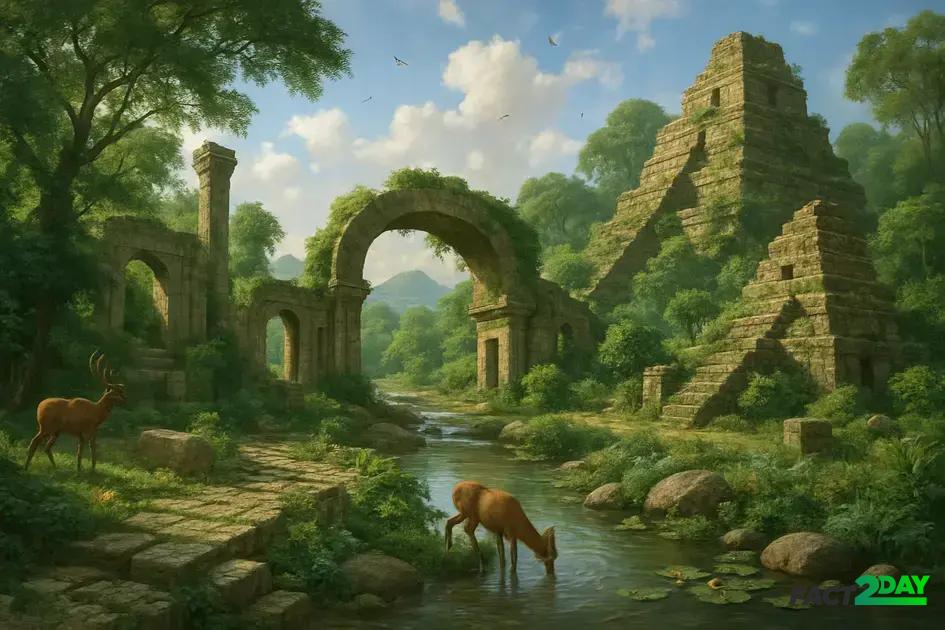
Exoplanets are planets orbiting stars beyond our solar system, discovered through methods like detecting slight dimming of starlight, revealing the vast and diverse nature of our galaxy.
Have you ever wondered about the Ancient Lost Civilizations Ecology? It’s fascinating to think how long-lost peoples not only built great cultures but also shaped the Earth’s landscapes. Let’s dive into the secrets that tie their stories to the environment we see today.
Understanding ancient lost civilizations and their ecosystems
Exploring ancient lost civilizations involves understanding their unique ecosystems, where human activity and nature coexisted closely. These societies adapted to diverse environments, from dense forests to arid deserts, shaping and being shaped by the resources around them. Archaeological evidence shows how flora and fauna played essential roles in their survival and culture, influencing their architecture, agriculture, and social organization.
Human interaction with the environment
Ancient peoples managed ecosystems through hunting, farming, and controlled use of resources. Their activities often encouraged biodiversity, such as through selective planting and sustainable harvesting, which maintained ecological balance. These practices reveal an intricate knowledge of local species and natural cycles.
Impact of climate and geography
Climate fluctuations and geographical features dictated the ecosystem dynamics in ancient times. Civilizations had to adapt to these changes, developing irrigation systems, crop rotation, and conservation techniques to sustain their environment. Such adaptations highlight their resilience and ecological intelligence.
Studying ancient ecosystems helps us understand the delicate balance between humans and nature in history. It also offers valuable lessons for current environmental challenges by showing how past societies lived sustainably within their landscapes.
How ancient civilizations influenced their natural environment
Ancient civilizations had a profound influence on their natural environment, often modifying landscapes to meet their needs. They cleared forests for agriculture, built irrigation systems to manage water, and developed settlements that transformed local ecosystems. These modifications were not random but reflected a deep understanding of the land and its resources.
Land transformation and agriculture
Many ancient societies practiced slash-and-burn agriculture or terracing, techniques that changed soil fertility and landscape structure. These methods increased arable land but also required careful management to prevent degradation. Irrigation systems diverted rivers and created fertile valleys, supporting large populations.
Construction and resource use
Building cities, temples, and roads involved extensive use of natural materials like stone, wood, and clay. This resource harvesting often altered local habitats and affected wildlife patterns. However, some cultures incorporated green spaces and maintained ecological balance within urban centers.
Ancient land management demonstrates a complex relationship between people and nature. Their innovations not only advanced civilization but also left lasting marks on the environment that we can still study today.
The role of ancient agriculture in shaping landscapes
Ancient agriculture played a crucial role in shaping landscapes by transforming natural terrain into productive farmland. Early farmers cleared forests, altered waterways, and created terraces on hillsides to maximize arable land. These activities changed soil composition and affected local ecosystems but also allowed civilizations to flourish.
Techniques used in ancient agriculture
Terracing was a common method used to prevent soil erosion and retain water on steep slopes. Irrigation systems redirected water from rivers to fields, supporting crop growth in dry areas. Crop rotation and intercropping improved soil fertility and reduced pests without modern chemicals.
Long-term landscape impacts
While ancient agriculture enabled population growth, it sometimes led to deforestation and habitat loss. However, many societies balanced farming with conservation, maintaining forests and wetlands. These early practices laid the groundwork for how humans continue to manage landscapes today.
Ancient water management and ecological impacts
Ancient civilizations developed sophisticated water management systems to support agriculture, daily life, and urbanization. They constructed canals, reservoirs, and aqueducts to control water flow, reduce flooding, and provide irrigation. These systems altered natural waterways, changed landscapes, and impacted local ecosystems.
Techniques of ancient water management
Reservoirs and canals stored and distributed water efficiently, especially in dry regions. Ancient engineers designed these to balance water supply during droughts and prevent damage during heavy rains. Aqueducts also transported fresh water to city centers, enabling population growth and sanitation.
Ecological consequences
While water management supported civilization expansion, it sometimes led to unintended ecological effects. Diverting rivers and draining wetlands disrupted habitats and affected biodiversity. However, evidence shows some societies practiced sustainable water use, maintaining wetlands and supporting aquatic life.
Understanding these ancient systems provides insight into how humans have long influenced water cycles and landscapes.
Forest management practices of lost civilizations
Lost ancient civilizations often practiced forest management to sustain resources and protect their environment. They used controlled burns to clear undergrowth, encouraging new plant growth and reducing wildfire risks. These techniques helped maintain fertile soil for agriculture and hunting grounds.
Agroforestry and resource use
Many societies integrated trees and crops in agroforestry systems, balancing food production with forest preservation. They harvested timber and non-timber products carefully, ensuring regrowth and long-term availability. This approach created diverse habitats supporting wildlife.
Conservation through ritual and law
Some cultures protected sacred groves or designated forest areas off-limits for exploitation. These conservation practices reflected ecological values embedded in social and religious beliefs, helping maintain biodiversity.
Ancient forest management shows how people worked with nature to create sustainable environments.
The ecological consequences of ancient urbanization
Ancient urbanization brought significant changes to ecosystems. As cities grew, natural landscapes were replaced with buildings, roads, and other infrastructure. This often led to habitat loss and disrupted local wildlife populations. Waste and pollution from dense populations also affected air, water, and soil quality.
Environmental degradation from urban expansion
Deforestation was common to provide materials and land for construction. Removing large areas of trees impacted climate regulation and soil stability. Increased demand for resources often strained surrounding environments.
Waste management and pollution
Ancient cities produced large amounts of waste. Without modern sanitation, garbage and sewage could contaminate water sources. This contributed to health issues and harmed aquatic ecosystems. Some societies developed early sewage systems to reduce these effects.
The rise of urban centers also altered water cycles by changing drainage patterns and increasing runoff, which exacerbated erosion and flooding risks.
Studying the ecological consequences of ancient urbanization helps us learn how human settlements impact the environment.
How ancient mining activities transformed the environment
Ancient mining activities had a significant impact on their surrounding environments. Mining operations often involved extracting metal ores, minerals, and stone, which required clearing large areas of vegetation and digging into the earth. This led to landscape changes such as soil erosion, deforestation, and altered waterways.
Techniques and environmental effects
Open-pit mining and quarrying were common, removing vast amounts of soil and rock. Waste materials were often left exposed, contributing to land degradation and water pollution from runoff containing heavy metals.
Long-term ecological impact
Mining also disrupted local ecosystems by destroying habitats and polluting water bodies, affecting plant and animal life. However, some ancient societies developed ways to reuse mining waste or limit environmental damage through controlled extraction.
Studying these ancient mining practices helps us understand early human impacts on the environment and the challenges of resource extraction.
Ancient climate adaptation strategies and their ecological footprint
Ancient civilizations developed various climate adaptation strategies to survive changing environments. These included altering farming techniques, building irrigation systems, and modifying their settlements to cope with drought, floods, or temperature shifts. By adapting to climate variability, they minimized ecological damage and sustained their societies.
Adjusting agricultural practices
Farmers used crop diversification and planting calendars aligned with seasonal changes. Some societies created raised fields or terraces to manage water and prevent soil erosion. These methods enhanced resilience while maintaining soil health.
Infrastructure and settlement design
Ancient engineers built canals, reservoirs, and drainage systems to control water supply and protect against floods. Homes and public buildings were often designed to regulate temperature naturally, reducing energy needs and preserving local resources.
The ecological footprint of these adaptations was generally low compared to modern standards. By working with nature rather than against it, ancient peoples maintained a balance that allowed ecosystems to thrive alongside human development.
The legacy of ancient biodiversity influenced by civilizations
Ancient civilizations had a lasting impact on biodiversity by influencing which plants and animals thrived in their regions. Through farming, hunting, and domestication, they altered natural populations and helped spread certain species. Some native species declined while others became more common.
Domestication and species spread
By domesticating animals like goats, cattle, and dogs, humans changed local ecosystems. They also cultivated crops, introducing new plants to different areas. This helped shape regional biodiversity and sometimes increased food security.
Habitat modification and species loss
Deforestation, agriculture, and urbanization transformed habitats, impacting wildlife. Some species were pushed to extinction, while others adapted to human presence. Ancient cultures sometimes protected certain animals or forests due to spiritual or cultural values.
The legacy of ancient biodiversity is still visible today, as many ecosystems reflect centuries of human influence. Understanding this legacy helps us appreciate the complex relationship between humans and nature over time.
Ecological lessons from the collapse of lost civilizations
The collapse of many ancient civilizations offers valuable ecological lessons. Often, these declines were linked to environmental degradation caused by overuse of resources, deforestation, soil erosion, and water mismanagement. When ecosystems were pushed beyond their limits, it affected food production and the sustainability of human settlements.
Resource depletion and environmental stress
Intensive agriculture and deforestation stripped the land of nutrients, while unchecked mining and construction altered natural habitats. These actions increased vulnerability to droughts, floods, and climate changes, stressing both humans and wildlife.
Failure to adapt
Some civilizations failed to adjust their practices or manage resources sustainably. This lack of adaptation contributed to societal collapse, as food shortages and ecological damage undermined their stability.
These stories remind us that protecting the environment is essential for long-term survival. Modern societies can learn from these ancient mistakes to build more resilient and sustainable futures.
Ancient trade routes and their environmental effects
Ancient trade routes connected distant civilizations, enabling the exchange of goods, ideas, and culture. However, these routes also had notable environmental effects. Trails and roads cut through forests and grasslands, leading to deforestation and soil compaction. Increased human movement spread invasive species and altered local ecosystems.
Environmental changes from trade activity
Clearing land for routes transformed natural landscapes, fragmenting habitats for plants and animals. Stations or settlements along routes increased demand for resources such as wood, water, and food, which sometimes led to local resource depletion.
Spread of species and ecological impact
Trade facilitated the movement of plants and animals beyond their native ranges. While some introduced species benefited agriculture, others disrupted existing ecosystems, affecting biodiversity and ecological balance.
Studying ancient trade routes reveals the early human footprint on the environment and helps us understand the challenges of balancing development and conservation.
Modern archaeology revealing ancient ecological knowledge
Modern archaeology uncovers ancient ecological knowledge preserved in artifacts, soil layers, and plant residues. Through techniques like pollen analysis and carbon dating, researchers reveal how ancient civilizations understood and managed their environments. This knowledge demonstrates their sustainable practices and environmental awareness.
Discovering ancient environmental data
Pollen and seed analysis help identify crops, wild plants, and climate conditions of past eras. These findings show the relationship between human activity and natural ecosystems.
Insights from earthworks and artifacts
Ancient irrigation methods, terraces, and tools reveal how civilizations adapted to and influenced their ecology. Archaeological studies also explore waste disposal and resource use, highlighting efforts to balance human needs with environmental care.
These discoveries enrich our understanding of sustainable living in history and offer valuable lessons for contemporary environmental management.
Connecting ancient ecological secrets to today’s environmental challenges
Connecting ancient ecological secrets to today’s environmental challenges reveals how historic practices can inspire modern solutions. Ancient civilizations often lived in balance with nature, using sustainable farming, water management, and resource conservation. These lessons offer valuable insights into tackling climate change and environmental degradation today.
Applying ancient knowledge to modern issues
Sustainable agriculture techniques like crop rotation and agroforestry help maintain soil health and increase biodiversity. Reviving such methods can reduce reliance on chemicals and promote resilience to climate extremes.
Water and resource management
Ancient systems of irrigation and water storage demonstrate efficient use of scarce resources. Modern societies can learn from these approaches to improve water conservation and manage droughts effectively.
By studying how ancient peoples interacted with their environment, we find inspiration for creating sustainable futures and addressing current ecological crises.
Looking Back to Move Forward
Ancient civilizations show us how people once lived closely with nature, carefully managing resources and adapting to change. Their ecological knowledge offers important lessons for today’s environmental challenges.
By learning from the past, we can adopt sustainable practices like those ancient peoples used to protect our planet. This approach helps us build a healthier future while respecting the balance between humans and nature.
Understanding and applying these ancient ecological secrets can inspire solutions that support both people and the environment for generations to come.