The Slow Revolution: Reviving Ancient Fermentation Techniques for Flavor, Health, and Sustainability
Discover how Ancient Fermentation Techniques Revival brings unmatched flavor, boosts health, and supports sustainability in modern times.
Frisson, or the ‘aesthetic shiver,’ occurs when the brain triggers reward and fear centers simultaneously, creating a pleasurable chill in response to powerful music moments.
Have you ever wondered about the magic behind Ancient Fermentation Techniques Revival? This slow revolution blends flavor, health benefits, and sustainability in a way modern methods often overlook. Let’s explore this fascinating world together.
Understanding ancient fermentation and its historical roots
Ancient fermentation is one of the oldest food preservation techniques, dating back thousands of years across many cultures. Early humans discovered that allowing food to ferment not only preserved it longer but also enhanced its flavors and nutritional value. Fermentation played a critical role in the development of civilizations, providing a reliable food source before refrigeration existed.
Different cultures independently developed unique fermentation methods using local ingredients. For example, ancient Egyptians fermented bread using wild yeast, while in China, fermentation produced soy sauce and pickled vegetables. These methods were passed down through generations, often intertwined with cultural and religious practices.
Key Factors That Shaped Ancient Fermentation
The availability of ingredients like grains, milk, fruits, and vegetables influenced the types of fermentation. Natural microbes present in the environment or on food surfaces started the process, converting sugars into alcohol, acids, or gases.
Strong ties to community and tradition preserved fermentation knowledge, allowing societies to adapt techniques based on climate and resources. These roots reveal why fermentation remains relevant today, offering insight into sustainable and flavorful food production.
How fermentation enhances flavor and nutrition
Fermentation transforms simple ingredients into complex, flavorful foods through the action of bacteria, yeast, and molds. This natural process breaks down sugars and proteins, creating new tastes, aromas, and textures that are hard to achieve with other cooking methods. The release of organic acids and alcohols during fermentation adds depth and tang, making foods like yogurt, kimchi, and sourdough uniquely delicious.
Beyond taste, fermentation improves nutrition by increasing vitamins, enzymes, and beneficial probiotics. These probiotics support digestion and strengthen the immune system by balancing gut bacteria. Fermentation also reduces anti-nutrients, enhancing mineral absorption and making food easier to digest.
Examples of Flavor and Nutrition Enhancement
Fermented cabbage in sauerkraut and kimchi develops a sharp, refreshing flavor and high levels of vitamin C. Fermented dairy products like kefir add valuable calcium and B vitamins while delivering probiotics that aid gut health.
By embracing fermentation, ancient cultures unlocked a way to boost both flavor and nutritional value naturally, creating foods that delight the palate and support overall wellness.
Key ancient fermentation methods around the world
Ancient fermentation methods vary widely, shaped by local ingredients and cultures. Each technique uses specific microbes and processes to transform food, creating unique flavors and textures. These methods have been refined over centuries, laying the foundation for many modern fermented foods.
Natural Fermentation
This method relies on wild yeasts and bacteria naturally present on food or in the environment. Examples include sourdough bread, where wild yeast captures in the air ferments dough slowly, and traditional kimchi, fermented by native lactic acid bacteria on cabbage leaves.
Salt Brining
Salt inhibits harmful bacteria while encouraging beneficial microbes to flourish. Many pickled vegetables, like sauerkraut and certain types of pickles, use salt brining. This method preserves food and develops tangy, sour flavors over time.
Alcoholic Fermentation
Used primarily in beverages, this process converts sugars into alcohol and carbon dioxide. Ancient cultures brewed beer, wine, and mead using local grains, fruits, and honey, often combining fermentation with rituals and celebrations.
Milk Fermentation
Fermenting dairy results in yogurt, kefir, and cheese. This method uses lactic acid bacteria to break down lactose, improving digestibility and adding probiotics. Many traditional societies relied on fermentation to extend milk’s shelf life.
Fermentation in Earthenware and Clay Pots
Storing fermenting foods in porous clay pots helps regulate temperature and moisture. In regions from the Middle East to Asia, these vessels are still used to make fermented sauces, pickles, and yogurts.
These ancient fermentation methods reflect a rich cultural heritage and practical knowledge that modern cooks and food enthusiasts can learn from to create sustainable, flavorful, and healthy foods.
The health benefits linked to fermented foods
Fermented foods offer a variety of health benefits largely due to their rich probiotic content. Probiotics are live bacteria and yeasts that help balance the gut microbiome, which plays a key role in digestion, immunity, and overall health. Regular consumption of fermented foods supports better digestive function by enhancing nutrient absorption and reducing symptoms like bloating and constipation.
Boosting Immune System
Fermented foods promote a healthy gut, which directly impacts the immune system. A balanced gut microbiome helps defend against harmful pathogens and reduces inflammation in the body.
Improving Mental Health
Emerging research links gut health with brain function, often called the gut-brain axis. Consuming fermented foods may help improve mood, reduce anxiety, and support cognitive health through this connection.
Enhancing Nutrient Availability
Fermentation breaks down compounds that inhibit nutrient absorption, making minerals like iron, zinc, and calcium more bioavailable. It also increases levels of certain vitamins, such as vitamin K2 and B vitamins.
Including foods like yogurt, kimchi, sauerkraut, and kefir in the diet can be a simple way to improve health naturally through the power of fermentation.
Sustainability advantages of traditional fermentation
Traditional fermentation contributes significantly to sustainability by reducing food waste and lowering energy consumption. This ancient preservation method allows food to last longer without refrigeration, helping minimize spoilage and waste. Fermentation uses natural microbes instead of artificial additives, which supports eco-friendly food production.
Reducing Food Waste
Fermentation transforms surplus fruits, vegetables, and dairy into nutritious products, preventing them from spoiling quickly. Foods like sauerkraut and kimchi are made from excess cabbage, while yogurt utilizes milk that might otherwise go bad.
Lower Energy Use
Unlike freezing or canning, fermentation requires little to no electricity. This makes it a low-impact technique ideal for both large-scale and home-based food preservation, reducing the carbon footprint associated with food storage.
Encouraging Local and Seasonal Eating
Traditional fermentation often relies on local, seasonal ingredients. This practice supports local farmers and reduces the environmental costs of transporting food over long distances.
By embracing these methods, we honor heritage while promoting a more sustainable and resource-efficient food system.
Modern interest in slow food and fermentation revival
The modern revival of slow food and fermentation reflects a growing desire to reconnect with traditional food practices. People are increasingly valuing quality, flavor, and sustainability over speed and convenience. This movement encourages using natural fermentation as a way to preserve food and enhance taste.
Emphasis on Craftsmanship and Tradition
Slow food celebrates artisanal methods, including fermentation techniques passed down through generations. This respect for craftsmanship helps maintain biodiversity and supports local farmers and producers.
Health and Environmental Awareness
Consumers today are more aware of the health benefits of fermented foods, such as improved digestion and immunity. At the same time, they seek to reduce their ecological footprint by choosing foods made through sustainable practices like fermentation.
Community and Education
Workshops, farmers’ markets, and food festivals promote fermentation knowledge, bringing people together to explore ancient methods in a modern context. This cultural exchange fosters appreciation and innovation.
The slow food and fermentation revival is more than a trend; it’s a cultural shift towards mindful eating and sustainable food systems.
Techniques for reviving and practicing ancient fermentation
Reviving ancient fermentation techniques requires patience, knowledge, and respect for traditional methods. Many of these techniques depend on natural microbial cultures and simple, time-tested processes without modern additives. Practicing ancient fermentation involves creating the right environment for beneficial microbes through temperature control, salt concentration, and natural materials.
Using Natural Starters and Wild Cultures
Many traditional fermentations use wild microbes found on raw ingredients or in the environment. For example, sourdough relies on wild yeast, while kimchi fermentation depends on native lactic acid bacteria. Harvesting and maintaining these cultures is essential for authentic results.
Choosing Appropriate Containers
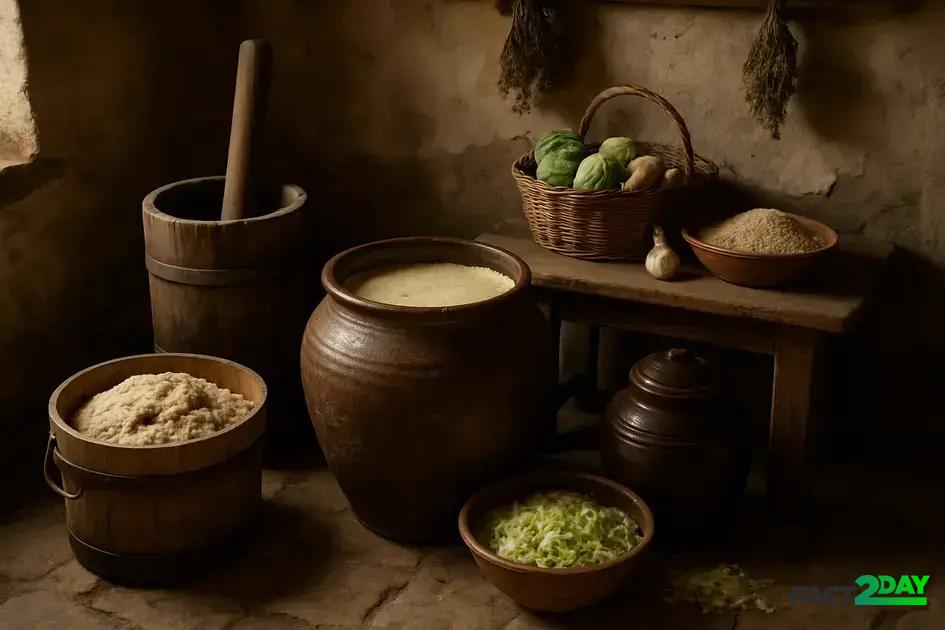
Clay pots, wooden barrels, and glass jars were often used in ancient times. These materials allow for breathability and temperature regulation, which are crucial for successful fermentation.
Maintaining Proper Conditions
Controlling factors like temperature, humidity, and salt levels is vital. Ancient methods often involved cool, dark places for fermenting, slowing down the process to develop complex flavors.
Embracing Time and Observation
Patience is key when working with natural fermentation. Observing changes, smelling, and tasting regularly helps understand when the fermentation is complete or needs adjustment.
By respecting these principles, anyone can practice and revive ancient fermentation techniques, connecting with a rich culinary heritage while creating delicious, healthy foods.
The role of microbes in fermentation processes
Microbes are essential to fermentation, acting as natural catalysts that transform raw ingredients into fermented foods. These tiny organisms, including bacteria, yeast, and molds, feed on sugars and produce acids, alcohol, and gases that change the taste and texture of food. Without microbes, fermentation would not occur.
Lactic Acid Bacteria
Lactic acid bacteria are among the most common microbes involved in fermentation. They convert sugars into lactic acid, which preserves food and gives it a tangy flavor. Foods like yogurt, sauerkraut, and kimchi rely on these bacteria.
Yeasts
Yeasts play a key role in alcoholic fermentation by converting sugars into alcohol and carbon dioxide. This microbial activity is central to brewing beer, wine, and making sourdough bread rise.
Molds
Certain molds are used in fermentation processes as well. For example, the molds in blue cheese and some soy sauces help develop distinct flavors and textures.
These microbes not only preserve food but also enhance nutrition and promote health by producing probiotics. Understanding the crucial role of microbes helps us appreciate the science and art behind fermentation.
Fermented foods and gut health connection
Fermented foods play a powerful role in promoting gut health by enriching the digestive system with beneficial probiotics. These live bacteria help maintain a balanced gut microbiome, which is crucial for digestion, nutrient absorption, and immune function. Consuming fermented foods regularly supports a healthy gut flora, reducing the risk of digestive issues like bloating, gas, and constipation.
Probiotics and Digestive Balance
Probiotic bacteria found in fermented foods such as yogurt, kefir, and sauerkraut compete with harmful bacteria, preventing infections and maintaining the gut’s natural balance. They also aid in breaking down food substances, making nutrients easier to absorb.
Supporting Immune System
Because a large portion of the immune system is located in the gut, a strong and balanced microbiome helps the body defend against pathogens. Fermented foods contribute to this by enhancing gut barrier function and reducing inflammation.
Potential Mental Health Benefits
Research has shown a connection between gut health and mental well-being, often referred to as the gut-brain axis. A healthy gut supported by fermented foods may help improve mood and reduce anxiety.
Incorporating a variety of fermented foods into your diet can be an effective way to nurture your gut and overall health through the natural power of fermentation.
Preservation methods in ancient fermentation
Ancient fermentation served as a vital preservation method before refrigeration existed. By encouraging the growth of beneficial microbes, fermented foods were kept safe from harmful bacteria, extending their shelf life naturally. These methods relied on controlling factors like salt, temperature, and time to preserve food effectively.
Salt Preservation
Salt was commonly used to inhibit unwanted bacteria while allowing lactic acid bacteria to thrive. This process not only preserved vegetables like cabbage and cucumbers but also created distinct sour flavors.
Controlled Temperature and Environment
Fermentations were often performed in cool, dark places such as underground pits or cellars. This helped slow fermentation and prevented spoilage, ensuring food lasted through seasons.
Use of Natural Containers
Clay pots, wooden barrels, and woven baskets were traditional vessels that allowed air exchange and maintained ideal moisture levels. These materials played a role in the preservation and flavor development.
Overall, ancient fermentation preservation combined natural ingredients, microbial activity, and environmental control to safely store food, shaping culinary traditions globally.
Common ingredients used in ancient fermentation
Ancient fermentation relied on a variety of natural ingredients that provided the sugars, starches, and proteins necessary for microbial growth. These ingredients were often locally available and seasonal, reflecting the region’s agriculture and climate. Using these ingredients enabled diverse fermented foods unique to each culture.
Grains and Cereals
Barley, wheat, rice, and millet were common bases for fermented beverages like beer and sourdough bread. Their starches break down into sugars that fuel fermentation.
Vegetables
Cabbage, cucumbers, radishes, and turnips were frequently fermented to produce sour, tangy foods such as sauerkraut and pickles. Their natural sugars supported lactic acid bacteria.
Fruits
Grapes, apples, and berries were used in wines and ciders. Their sugars helped yeast convert juice into alcoholic beverages.
Dairy
Milk from cows, goats, and sheep was fermented into yogurt, kefir, and cheeses, relying on lactic acid bacteria to transform lactose.
Salt and Herbs
Salt was essential to control microbial activity during fermentation, while herbs and spices added flavor and sometimes antimicrobial properties.
The selection of common ingredients in ancient fermentation not only ensured successful preservation but also contributed to rich flavors and nutritional benefits cherished worldwide.
Cultural significance of fermentation in different regions
Fermentation holds deep cultural significance across many regions, serving as more than just a food preservation method. It often connects communities to their heritage, traditions, and identity. Fermented foods symbolize history, spirituality, and social bonds in various cultures worldwide.
Asia
In countries like Korea and Japan, fermentation is tied to rituals and family traditions. Kimchi in Korea and miso in Japan are staples that represent cultural pride and seasonal customs.
Europe
European countries have rich fermentation histories, evident in sourdough breads, cheeses, and cured meats. These foods often mark festivals and communal gatherings, reflecting regional diversity and craftsmanship.
Africa
In Africa, fermentation is crucial for staple foods like injera and fermented cereals. These products sustain communities and hold social importance during celebrations and daily life.
Americas
Indigenous groups in the Americas used fermentation for beverages like chicha and preserved foods that supported survival and community bonding.
The cultural significance of fermentation is a testament to human ingenuity and the role of food as a cultural connector worldwide.
Challenges in reviving ancient fermentation techniques
Reviving ancient fermentation techniques faces several challenges, especially in today’s fast-paced and industrialized food culture. One major issue is the lack of knowledge and experience as many traditional methods were passed down orally and are now at risk of being lost.
Consistency and Control
Ancient fermentation relies on wild microbes and natural conditions, which can lead to unpredictable results. Ensuring consistent quality and safety without modern controls is a significant challenge.
Time and Patience
Traditional fermentation is often slow, requiring days or weeks, which conflicts with consumer demand for quick food preparation. This makes it difficult to integrate ancient methods into modern lifestyles.
Access to Ingredients and Equipment
Some traditional ingredients or fermentation vessels may be rare or unavailable. Adapting recipes without compromising authenticity requires innovation.
Regulatory and Safety Concerns
Food safety regulations today are strict, and some ancient practices might not meet these standards. Navigating these rules while preserving traditional methods is complex.
Despite these challenges, renewed interest and scientific advances offer hope for successfully reviving ancient fermentation techniques in a safe, sustainable way.
How to incorporate ancient fermentation into daily life
Incorporating ancient fermentation techniques into daily life can be simple and rewarding. Start by selecting easy-to-ferment foods like sauerkraut, yogurt, or pickles, which require minimal equipment and ingredients. Regular practice helps build skill and appreciation for the process.
Start Small with Basic Recipes
Choose simple recipes that use common ingredients and follow clear instructions. This builds confidence and familiarity with fermentation times and flavors.
Use Accessible Tools
Glass jars, crocks, and clean cloth covers are typically sufficient. Avoid complicated equipment to keep the process manageable.
Plan Fermentation into Your Routine
Set reminders to check or taste fermenting foods. Incorporate fermented items into meals as side dishes, snacks, or condiments.
Experiment and Adapt
Try different vegetables, herbs, and salt levels to discover preferred flavors. Adjust fermentation times to suit your taste and schedule.
Learn from Community and Resources
Join fermentation groups, attend workshops, or follow online tutorials to deepen knowledge and share experiences.
By embracing these steps, you can enjoy the health benefits and flavors of ancient fermentation while adding variety and sustainability to your diet.
Embracing the Power of Ancient Fermentation
Ancient fermentation techniques offer unique flavors, health benefits, and sustainable solutions that remain relevant today. By understanding and practicing these methods, anyone can bring tradition and nutrition into their kitchen.
Though challenges exist, patience and curiosity open the door to rich culinary experiences and a deeper connection with food. Whether you start small or dive deeper, ancient fermentation enriches daily life with taste and wellness.
Explore these timeless practices and enjoy the slow revolution of fermentation for flavor, health, and sustainability.