Blueprint of Brilliance: The Enduring Legacy of Ancient Engineering Marvels
Explore the awe-inspiring world of ancient engineering marvels, their lasting impact, and what makes their designs endure through time.
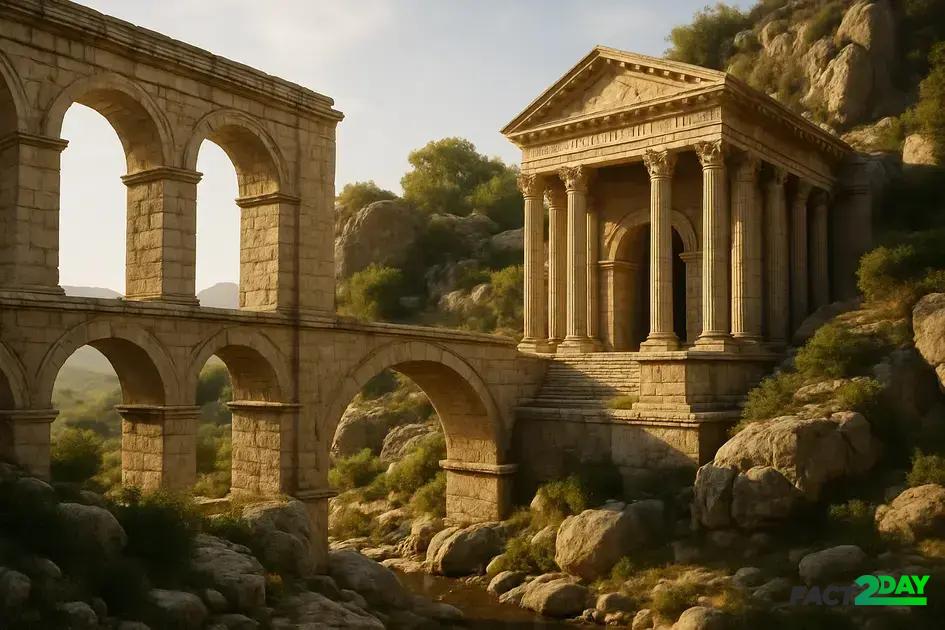
Ancient engineering marvels are structures designed with innovative materials, techniques, and sustainability practices that have endured centuries and continue to influence modern architecture and engineering.
Have you ever wondered how ancient civilizations built structures that still amaze us today? The story of Ancient engineering marvels is a journey through innovation, resilience, and beauty etched in stone and earth. Let’s uncover the secrets behind these enduring achievements together.
the ingenuity behind ancient engineering marvels
The ingenuity behind ancient engineering marvels lies in the creative problem-solving and meticulous planning of early civilizations. These pioneers developed unique methods to overcome natural challenges, like harnessing gravity for water flow or designing earthquake-resistant structures. For example, the Romans mastered the use of arches and concrete to build lasting bridges and aqueducts that still stand today.
Innovative Techniques
Techniques such as precise stone cutting, interlocking blocks without mortar, and complex pulley systems reveal a deep understanding of physics and materials. Ancient engineers also used mathematical principles to plan cities and monuments with remarkable accuracy, aligning them with celestial bodies or geographical features.
Adaptation to Environment
Ancient builders adapted their designs to local environments; from the stepped terraces in mountainous regions to the use of natural ventilation in desert architecture. This adaptation ensured the longevity and functionality of their constructions.
The combination of creativity, mathematics, and hands-on craftsmanship forms the foundation of ancient engineering brilliance, inspiring modern engineers and architects today.
materials and techniques in ancient constructions
Ancient builders relied on a fascinating variety of materials and techniques to create structures that have lasted for centuries. Stone was the most common material, valued for its strength and durability. They used limestone, granite, and sandstone, carefully shaped and placed to form solid foundations and walls.
Use of Mortar and Binding Agents
In many cases, a form of mortar made from lime, sand, and water was employed to bind stones together. Some cultures developed unique adhesives; for example, the Egyptians used a special gypsum mortar. This not only strengthened the structure but also helped absorb shocks from natural events like earthquakes.
Advanced Construction Techniques
Techniques such as corbelling, where stones are layered with slight overlaps, allowed for the creation of arches, domes, and vaults. The precise cutting and fitting of stones, sometimes without any mortar, like in Incan walls, show a remarkable understanding of stability and aesthetics.
Additionally, ancient engineers often used wooden scaffolding and simple machines like levers and pulleys to move heavy materials, evidencing sophisticated construction methods that combined ingenuity with available resources.
how ancient engineering inspires modern innovation
Ancient engineering continues to inspire modern innovation by providing timeless lessons in durability, sustainability, and design. Many contemporary architects and engineers study ancient structures like the Roman aqueducts or the Great Pyramids to understand how these marvels withstood centuries of natural forces.
Lessons in Sustainability
Ancient builders often used locally sourced materials and natural ventilation techniques, a practice that aligns today’s goals for eco-friendly construction. These sustainable methods reduce environmental impact yet maintain strength and functionality.
Innovation through Adaptation
Modern engineers adapt ancient concepts such as arches, domes, and water management systems to solve today’s challenges. For instance, the use of arches in bridges maximizes strength and reduces material use, while ancient water channel designs influence modern irrigation and flood control.
The blend of historical wisdom and cutting-edge technology fuels creative solutions in urban planning, infrastructure development, and construction materials, showing that ancient engineering marvels still hold valuable inspiration for the future.
The lasting impact of ancient engineering marvels
Ancient engineering marvels teach us valuable lessons about creativity, resilience, and sustainability. Their innovative techniques and materials have not only stood the test of time but also continue to inspire today’s architects and engineers.
By studying these masterpieces, we can blend traditional wisdom with modern technology to build a better, more sustainable future. The legacy of ancient engineering reminds us that smart design and careful planning are key to creating structures that last for generations.