The Original Fake News: How Disinformation Was Spread in Ancient Empires
Discover how ancient disinformation shaped empires, influencing societies long before modern fake news emerged.
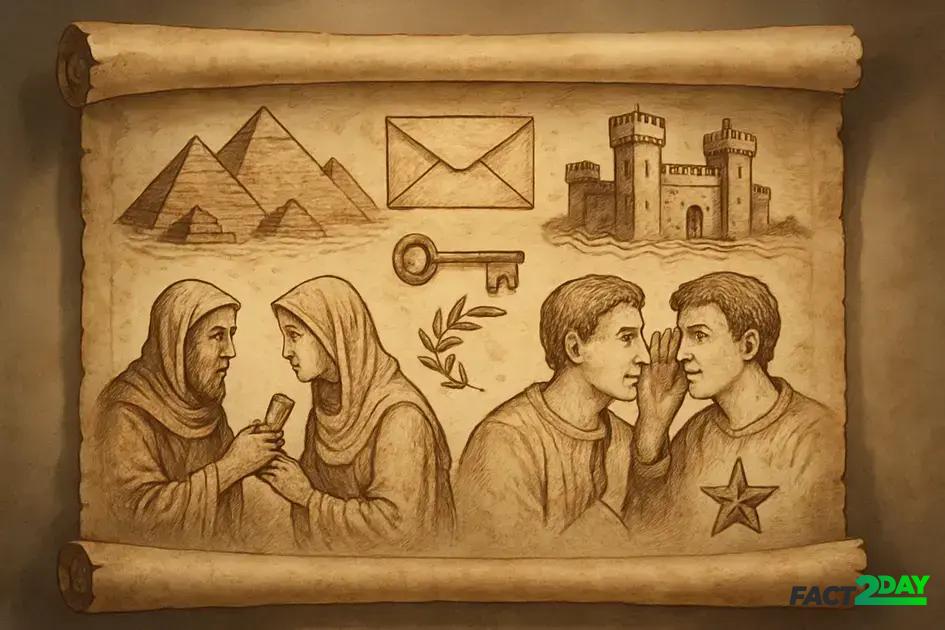
Ancient disinformation involved deliberate false narratives, propaganda, and controlled communication tools used by empires to manipulate public opinion and maintain political power.
Ancient disinformation might seem like a modern problem, but empires long ago mastered the art of spreading falsehoods. Have you ever wondered how misinformation influenced history? Let’s explore signs and stories of fake news before the digital age.
how ancient empires crafted false narratives
Ancient empires often built false narratives to control how their citizens and rivals understood history and current events. These stories were carefully crafted by rulers and their advisors to justify wars, establish legitimacy, or demonize enemies. For example, rulers might claim divine ancestry or supernatural favor to strengthen their authority.
These narratives frequently included exaggerated tales of victories or moral superiority. Propaganda was not just oral; it appeared in monuments, inscriptions, and art designed to glorify the empire’s achievements.
Use of Myth and Legend
Myths were a popular tool to shape public opinion. By embedding false narratives in religious or cultural stories, empires ensured their messages were memorable and widely accepted. These myths often blurred fact and fiction, making it hard for people to separate truth from propaganda.
Manipulating Historical Records
Emperors would sometimes rewrite or erase official records to suit their desired image. This manipulation helped maintain power by controlling the narrative of past events. Revising history became a strategic way to influence public memory and future generations.
By understanding these tactics, modern readers can see that disinformation is not new but a long-standing method of power and influence.
methods used to spread disinformation in ancient times
Ancient empires spread disinformation through multiple creative and effective methods. One popular approach was the use of messengers who delivered carefully crafted false reports to enemy territories, sowing confusion and mistrust.
Public Declarations and Announcements
Leaders often made public speeches filled with exaggerated claims that bolstered their reputation and undermined opponents. Town criers and heralds played key roles by repeating these messages in marketplaces and public spaces.
Written Records and Inscriptions
Engraved monuments and stone tablets presented official versions of events. These were designed to last centuries, allowing empires to control the narrative beyond their lifetime. Propaganda inscriptions often glorified victories and hid defeats.
Art and Symbolism
Visual art such as statues and frescoes communicated messages to the largely illiterate population. Emperors were shown as god-like figures to reinforce their power and intimidate enemies.
These combined methods made disinformation a powerful tool in ancient political and military strategy.
effects of disinformation on political power
Disinformation played a crucial role in shaping political power in ancient times. By spreading false stories or misleading information, rulers could manipulate public opinion to strengthen their rule. This often created a climate of fear or loyalty that helped maintain control.
Undermining Opponents
False accusations and rumors were used to discredit rivals and weaken their support. This tactic helped leaders eliminate threats without open conflict, by turning people against suspected enemies.
Building Legitimacy
Disinformation also served to justify a ruler’s claim to the throne. Myths about divine right or heroic deeds made subjects more likely to accept their leadership, even if those stories were fabricated or exaggerated.
Influencing Public Morale
Controlling information meant rulers could boost morale during hard times by promoting victories or hiding defeats. This helped maintain stability and the perception of strength.
In ancient politics, disinformation was a strategic tool to secure and extend power, showing how information control has long been tied to ruling authority.
examples of legendary ancient fake news
Throughout history, there are several famous examples of legendary ancient fake news that shaped public perception and political outcomes. One notable story is the tale of the Trojan Horse, where the Greeks tricked the Trojans into bringing a giant wooden horse within their walls, leading to their downfall. Although it may be a myth, it illustrates how deceptive stories influenced ancient warfare.
The Donation of Constantine
This was a forged document claimed to be written by Emperor Constantine, granting vast lands and authority to the Pope. It was widely accepted for centuries, boosting the Church’s political power before being exposed as a hoax.
The Prophecies of Nostradamus
Though later than many ancient examples, these prophecies created confusion and fear through vague, often false predictions, affecting political decisions and public opinion.
Such examples show how fake news has long been used as a powerful weapon to influence societies and rewrite histories, often with lasting effects.
tools and channels for ancient information control
Ancient empires employed various tools and channels to control information and shape public opinion. One primary tool was the use of official scribes and chroniclers who recorded events based on the perspective favored by those in power.
Public Monuments and Inscriptions
Stone carvings, statues, and public monuments broadcast official stories to a largely illiterate population. These physical structures acted as constant reminders of a ruler’s power and version of history.
Oral Tradition and Storytelling
Skilled storytellers and entertainers traveled to villages spreading approved narratives. Oral history was a key channel to influence people who had no access to written records.
Religious Institutions
Temples and priests often played a role in spreading disinformation by linking rulers to divine authority. Religious ceremonies reinforced these messages, making them more credible.
Controlling information through these means allowed ancient powers to maintain social order and suppress dissent, showing how communication was carefully managed long before modern media.
lessons from ancient disinformation for today
The study of ancient disinformation offers valuable lessons for today’s world. First, it shows that misinformation has long been used to influence societies and politics, so awareness and skepticism remain essential skills.
Recognizing Manipulation
Understanding how ancient rulers crafted false narratives helps us identify similar tactics in modern media. Questioning sources and motives is crucial to avoid being misled.
The Power of Storytelling
Ancient empires mastered the art of storytelling to sway public opinion. Today, narratives still shape beliefs, proving the need to critically assess persuasive messages.
Importance of Multiple Sources
History shows that single sources often present biased views. Checking multiple perspectives helps build a more accurate understanding of events.
By learning from the past, we can better protect ourselves from the impact of disinformation and promote a more informed society.
Understanding the impact of disinformation through history
Ancient empires show us how powerful false information can be in shaping politics and society. By studying these examples, we learn the importance of questioning what we hear and see.
Today, protecting ourselves from misinformation means staying critical and seeking truth in multiple sources. Being informed helps us make better decisions and supports a stronger community.
Remember, the lessons from ancient disinformation remind us to value honesty and keep questioning the stories we’re told.