Green Empires: Lessons from Ancient City Planning for Sustainable Urban Futures
Ancient City Planning Sustainable strategies reveal timeless methods to build eco-friendly, efficient urban spaces for future generations to thrive.
Why MissingNo became a gaming legend
MissingNo. wasn’t just a glitch; it became a beloved part of gaming culture. Its unexpected appearance caused chaos, but it also gave players an edge with unlimited items. This rare bug blurred the lines between error and feature, showing how gamers can embrace even the wildest surprises.
Its legacy lives on as a reminder that sometimes, the coolest parts of a game come from the most unexpected places. MissingNo. proved that a glitch, when embraced by the community, can become a true legend.
Ever wondered how our ancient ancestors managed to build cities that lasted thousands of years? The Ancient City Planning Sustainable techniques they used can teach us a ton about creating greener, smarter urban futures. Let’s dive into these timeless lessons and see what modern city designers can learn!
Understanding ancient city planning principles
Ancient city planning principles were centered around harmony with the natural environment and efficient use of space. Cities were often laid out with a clear grid system, allowing for easy navigation and organization. Strategic positioning near water sources and fertile land was essential to support growing populations and agriculture.
Urban layouts included designated zones for residential, commercial, and religious purposes, reducing conflicts and promoting community well-being. Streets were designed to facilitate both foot traffic and animal transport, reflecting thoughtful consideration of daily life needs.
Integration with Nature
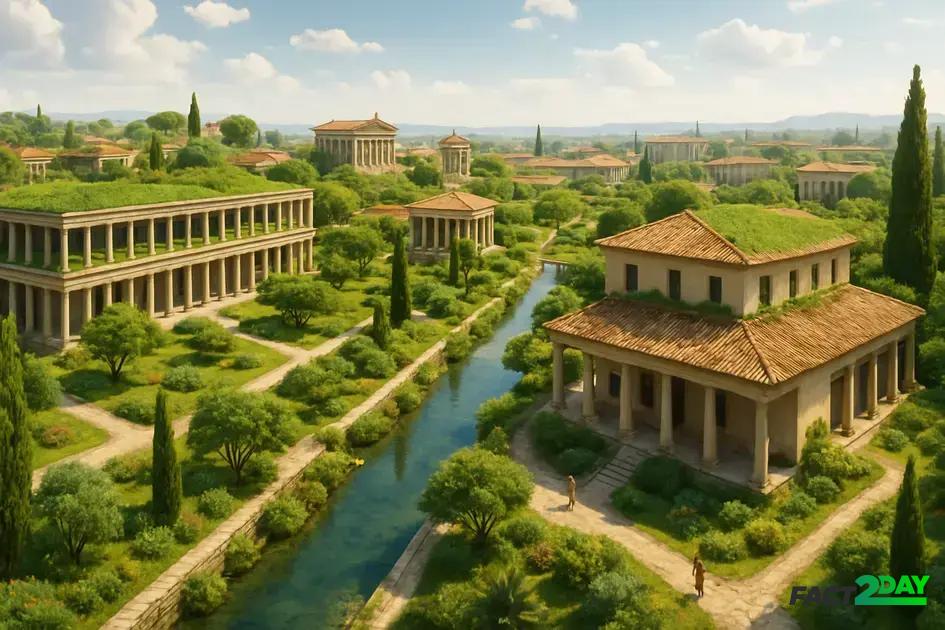
Planners incorporated natural features like hills, rivers, and vegetation into the city design to provide natural defenses and resources. These green spaces not only improved air quality but also created cooler microclimates, demonstrating an early form of environmental awareness.
Public spaces and marketplaces were carefully located to encourage social interaction and economic activity. The emphasis on communal areas fostered a strong sense of belonging and cultural identity among inhabitants.
Adaptability and Sustainability
Many ancient cities were designed to grow over time, with flexible layouts that allowed expansion without chaos. Sustainable practices such as rainwater harvesting and waste management efforts were common, showing an understanding of resource limits.
By analyzing these timeless design principles, modern urban planners can learn to build cities that balance human needs with environmental stewardship, paving the way for sustainable futures.
Sustainable materials used in ancient constructions
Ancient constructions relied heavily on sustainable materials that were locally sourced and environmentally friendly. Common materials included stone, mud bricks, timber, and clay, which offered durability while minimizing environmental impact.
Stone and Mud Bricks
Stone was widely used for its strength and longevity. Quarried nearby, it required minimal processing and could withstand harsh weather, which made it ideal for important structures like temples and city walls. Mud bricks, made from earth mixed with water and organic materials like straw, were affordable and had excellent thermal properties, keeping buildings cool in hot climates.
Timber and Clay
Timber served as support beams, roofing, and frameworks. Ancient builders selected wood that was abundant and fast-growing to ensure sustainability. Clay was used for plastering walls and creating tiles, providing insulation and water resistance.
The use of these materials reduced the transportation footprint and helped ancient cities maintain a balance with nature. These choices highlight an early understanding of resource management and sustainable building practices.
Modern architects and builders can draw inspiration from these materials by exploring natural, renewable options that lower environmental impact while maintaining structural integrity.
Water management in ancient urban centers
Water management was a critical aspect of ancient urban centers, ensuring a reliable supply and sanitation for growing populations. Engineers designed complex systems like aqueducts, canals, and reservoirs to capture, transport, and store water efficiently.
Innovative Aqueducts and Canals
Aqueducts carried water from distant sources to cities using gravity, minimizing energy use. These structures were marvels of engineering, often spanning valleys and rough terrain with arches and tunnels.
Canals helped with irrigation and controlled water flow within urban areas, supporting agriculture and preventing flooding during heavy rains.
Reservoirs and Storage Techniques
Reservoirs collected rainwater and spring water, carefully positioned to supply water year-round. Some cities used underground cisterns lined with waterproof materials to reduce evaporation and contamination.
Sanitation and Waste Water Management
Drainage systems and sewers carried waste away from living areas to protect public health. These early sanitation measures reduced disease and maintained a cleaner urban environment.
Ancient water management combined practicality with sustainability, using natural topography and resource-efficient designs. Modern cities can learn from these systems to develop eco-friendly water solutions that conserve resources and protect communities.
Role of green spaces in historic cities
Green spaces played a vital role in historic cities, serving both practical and social purposes. These areas included gardens, parks, and tree-lined streets that helped improve air quality, control temperatures, and provide residents with places to relax and gather.
Environmental Benefits
Trees and plants in green spaces absorbed carbon dioxide and released oxygen, contributing to cleaner air. They also provided shade, reducing the heat island effect common in dense urban areas. Water bodies within these spaces helped manage rainwater and prevent flooding.
Social and Cultural Importance
Public gardens and parks were centers for social interaction, festivals, and public events. These spaces fostered a sense of community and offered a break from the hustle and bustle of city life. Many historic cities featured sacred groves or temple gardens, linking green spaces to cultural and religious practices.
Green spaces also enhanced the aesthetic of cities, using landscaping to create visually appealing environments that invited both residents and visitors to enjoy nature within urban settings.
Legacy for Modern Urban Design
The integration of green spaces in ancient cities shows a deep understanding of their multifunctional value. Today, urban planners emphasize similar principles, recognizing that parks and gardens improve mental health, promote biodiversity, and support sustainable living.
Energy efficiency in ancient architecture
Energy efficiency was a key feature of ancient architecture, achieved through smart design and material use. Buildings were constructed to take advantage of natural light and ventilation, reducing the need for artificial heating and cooling.
Design for Climate Control
Thick walls made of stone or mud bricks provided insulation, keeping interiors cool in summer and warm in winter. Small windows minimized heat gain while still allowing light to enter.
Orientation was carefully planned to maximize sunlight during colder months and shade during hotter times, demonstrating an understanding of solar angles and seasonal changes.
Natural Ventilation and Cooling
Many ancient buildings featured courtyards and open spaces to promote airflow. Windcatchers or vents were used to catch breezes and direct them indoors, creating natural cooling effects.
Roofs were often designed with reflective or insulating materials to reduce heat absorption. Some civilizations used water features near or inside buildings to cool the air through evaporation.
Use of Local Materials
The use of local, sustainable materials not only reduced transportation costs but also contributed to energy efficiency by matching the building to the surrounding environment.
These energy-saving techniques highlight the resourcefulness of ancient builders and inspire modern sustainable architectural practices.
Community involvement in city planning
Community involvement was a fundamental part of ancient city planning, ensuring that urban development met the needs of its inhabitants. Local people participated in decisions about land use, infrastructure, and public spaces, fostering a sense of ownership and responsibility.
Decision-making and Collaboration
Village councils and assemblies were common forums where citizens discussed and approved planning initiatives. This collaborative approach helped balance diverse interests, from agricultural needs to commercial activities.
Input from community members influenced the placement of markets, temples, and housing, ensuring functionality and social harmony.
Shared Responsibilities
Residents often contributed labor and resources to building and maintaining city structures like walls, roads, and irrigation systems. This participation strengthened social bonds and promoted sustainable upkeep.
Community festivals and rituals tied to the city’s layout reinforced cultural identity and collective memory.
Lessons for Modern Urban Planning
The ancient practice of engaging citizens highlights the value of inclusive planning processes. Modern cities benefit from public participation by creating plans that reflect the community’s real needs, leading to more sustainable and vibrant urban environments.
Comparing ancient and modern urban challenges
Both ancient and modern cities face challenges like resource management, population growth, and environmental impact. However, the context and solutions differ significantly due to technological advances and urban scale.
Population Density and Growth
Ancient cities managed smaller populations with limited space, often focusing on compact designs and multi-use structures. Today, cities face explosive growth, requiring large-scale infrastructure and complex zoning laws.
Resource Management
Water supply, food, and energy were primary concerns in ancient times, addressed through local solutions like aqueducts and sustainable agriculture. Modern cities rely heavily on global supply chains but must also consider sustainability and climate change impacts.
Environmental Challenges
Ancient planners often integrated nature into cities, using green spaces and natural materials. Contemporary urban areas struggle with pollution, heat islands, and loss of biodiversity, demanding innovative green solutions.
Technology and Infrastructure
While ancient cities used local materials and manual labor, modern ones deploy technology for transportation, communication, and energy efficiency. Yet, advanced tech also brings challenges like electronic waste and energy demands.
By understanding these similarities and differences, planners can combine ancient wisdom with modern innovation to design resilient, sustainable cities for the future.
Lessons for modern sustainable urban design
Modern sustainable urban design can learn much from ancient city planning, especially the emphasis on balance with nature and community needs. Ancient cities incorporated green spaces, efficient layouts, and durable materials, all of which support long-term sustainability.
Integrating Nature and Urban Life
Green corridors and parks in ancient cities improved air quality and provided social spaces. Today, planners use these concepts to combat pollution and promote mental well-being through urban greenery.
Compact and Walkable Layouts
Ancient cities often featured grid patterns with mixed-use zones, reducing travel distances. Modern urban design adopts walkable neighborhoods to cut car dependency and lower emissions.
Use of Local and Sustainable Materials
Building with local materials reduced environmental impact and enhanced energy efficiency. This principle encourages sustainable sourcing and traditional techniques in contemporary architecture.
Community Engagement and Shared Spaces
Community involvement in planning ensured cities met residents’ needs and sustained resources. Encouraging public participation today fosters inclusive, responsive urban environments.
Overall, blending ancient wisdom with modern technology helps shape resilient, eco-friendly cities ready for future challenges.
Technological innovations inspired by ancient methods
Many modern technological innovations draw inspiration from ancient methods that emphasized sustainability and resourcefulness. Ancient engineers developed tools and systems that maximized efficiency with limited resources.
Water Management Technologies
Aqueducts and qanats inspired modern irrigation and water distribution systems, showcasing gravity-fed networks that minimize energy use. These ancient designs inform today’s water-saving technologies in urban areas.
Building Techniques and Materials
Ancient use of natural insulation, such as thick walls and reflective surfaces, informs contemporary energy-efficient architecture. Techniques like rammed earth construction are being revisited for eco-friendly building.
Renewable Energy Concepts
The design of buildings to capture wind and sunlight efficiently mirrors modern passive solar and wind energy strategies. Elements like windcatchers demonstrate early examples of harnessing natural energy sources without electronics.
Waste and Resource Recycling
Ancient cities practiced waste separation and recycling, inspiring modern urban waste management practices that promote circular economies and reduce environmental impact.
By studying these ancient innovations, today’s engineers blend time-tested techniques with technology to create sustainable solutions for modern urban challenges.
Future prospects for sustainable city planning
Future prospects for sustainable city planning focus on integrating technology, nature, and community wellbeing to create resilient urban environments. Cities will increasingly adopt smart systems that optimize energy use, waste management, and transportation.
Smart Infrastructure and Technology
Digital sensors and AI-driven analytics will help cities monitor resources in real time, reducing waste and improving efficiency. Smart grids can balance energy supply from renewable sources like solar and wind.
Green and Blue Spaces
Expanding urban forests, parks, and water bodies will enhance biodiversity, reduce heat, and manage stormwater. These natural elements are key to adapting cities to climate change impacts.
Community-focused Design
Engaging residents through participatory planning ensures urban development meets diverse needs and promotes social equity. Walkable neighborhoods with mixed uses reduce emissions and improve quality of life.
Resilience and Adaptability
Future cities will prioritize flexible designs that can adapt to evolving environmental and social challenges. This includes modular buildings and infrastructure capable of withstanding natural disasters.
Combining these elements, sustainable city planning aims for urban spaces that support a healthy planet and vibrant communities for generations to come.
Bringing ancient wisdom to modern sustainable cities
The lessons from ancient city planning offer valuable guidance for building sustainable urban futures. By combining efficient design, natural materials, and community involvement, ancient cities achieved balance with their environment.
Modern urban planners can learn from these timeless strategies to create cities that are greener, more resilient, and better suited to support their inhabitants.
Embracing both ancient insights and new technologies will help us design urban spaces that thrive for generations, proving that the past holds important keys to a sustainable future.