Kombucha: The Ancient Fermented Drink of Emperors
Ancestral kombucha unlocks the secrets of a time-honored fermented drink cherished by emperors, blending tradition and wellness naturally.
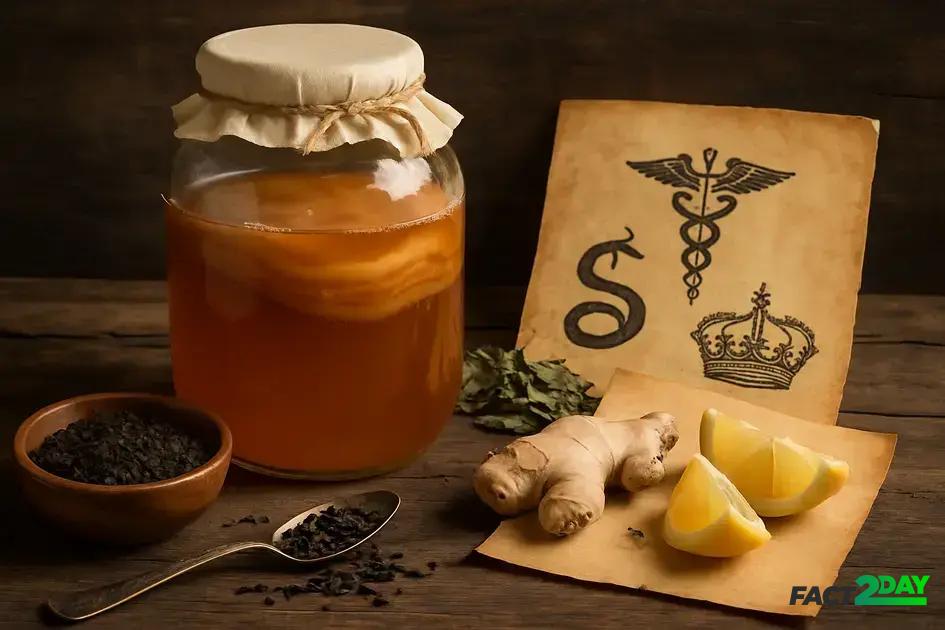
Ancestral kombucha is a traditional fermented tea valued for its probiotic-rich fermentation process, health benefits, and historical significance as a revitalizing drink once revered by ancient emperors.
Have you ever wondered about the stories behind ancestral kombucha? This ancient drink whispers tales of emperors and rituals lost in time, inviting us to taste a tradition bubbling with life and mystery.
the origins of ancestral kombucha
The origins of ancestral kombucha date back over two thousand years, believed to have started in Northeast China during the Qin Dynasty. This fermented tea was cherished for its revitalizing qualities, often called the “Tea of Immortality.” Ancient healers and emperors valued kombucha for its supposed ability to boost energy and improve digestion.
Traditional kombucha was made by fermenting sweetened tea with a symbiotic culture of bacteria and yeast, known as SCOBY. This natural process transforms the sugars into organic acids, probiotics, and enzymes, which contribute to its unique tangy flavor and health benefits.
Historical records suggest that kombucha spread through trade routes to Russia and Europe, adapting through centuries while maintaining its foundational method. The drink symbolized wellness and longevity, embraced not only by common folk but also by royalty.
Today, ancestral kombucha reminds us of the simple yet powerful connection between nature and human health, rooted in ancient traditions that still resonate in modern wellness practices.
how kombucha was revered by ancient emperors
Ancient emperors held kombucha in high esteem, considering it a sacred elixir that promoted health and longevity. In various cultures, especially in China and Russia, kombucha was treasured for its energizing and detoxifying properties.
Royal courts often guarded the secrets of kombucha brewing, using it as a tonic to improve digestion and boost the immune system. Historical texts describe how emperors consumed this fermented tea regularly to maintain vitality and sharpness.
The drink’s association with wellness made kombucha a symbol of status and privilege. It was believed to cleanse the body and spirit, helping rulers make wise decisions and lead with strength.
Furthermore, the natural fermentation process, rich in probiotics and antioxidants, aligned with ancient holistic medicine practices that emphasized balance and harmony within the body.
By understanding how kombucha was revered by ancient emperors, we appreciate its journey from a royal remedy to a modern-day health trend cherished worldwide.
the fermentation process behind kombucha
The fermentation process behind kombucha begins with sweetened tea, which serves as the base for this ancient drink. A symbiotic culture of bacteria and yeast called SCOBY is added to the tea, initiating fermentation. This living culture feeds on the sugar, converting it into organic acids, gases, and a small amount of alcohol.
During fermentation, the SCOBY forms a thick, gelatinous layer on top of the tea, signaling active brewing. The tea’s taste changes over time, becoming tangy and slightly effervescent as beneficial acids like acetic acid and gluconic acid develop.
Key Stages of Fermentation
First, yeast breaks down sugar into alcohol and carbon dioxide, which adds natural carbonation. Then, bacteria convert the alcohol into acids, giving kombucha its distinctive sour flavor and preserving the drink. This balance of yeast and bacteria is essential for a healthy brew.
Temperature and time affect the fermentation process; warmer conditions speed it up, while cooler temperatures slow it down. Typically, kombucha ferments for 7 to 14 days, depending on the desired flavor and strength.
Throughout fermentation, probiotics form naturally, promoting gut health and aiding digestion. This complex biological process is what makes kombucha a unique and healthful beverage.
health benefits linked to ancestral kombucha
Ancestral kombucha is celebrated for its numerous health benefits, thanks to its rich content of probiotics, antioxidants, and acids formed during fermentation. These elements support gut health by balancing the microbiome, which can improve digestion and nutrient absorption.
Regular consumption of kombucha may boost the immune system because probiotics help defend against harmful bacteria. Additionally, antioxidants combat free radicals, reducing oxidative stress and promoting overall cellular health.
Key Health Benefits
Kombucha’s natural acids, such as acetic acid, contribute to detoxification by aiding liver function. Some studies suggest that it may help lower cholesterol levels and support heart health.
Many users report increased energy levels due to small amounts of caffeine and B vitamins present in the tea base. Kombucha also contains enzymes that may relieve inflammation and support joint health.
While more research is ongoing, ancestral kombucha remains a popular natural remedy for promoting well-being, aligning ancient tradition with modern health interests.
brewing kombucha at home with ancestral methods
Brewing kombucha at home using ancestral methods involves a simple yet precise process that honors tradition. It starts with preparing sweetened tea, usually black or green tea, as the base. The tea must be cool before introducing the SCOBY, which is the living culture that ferments the mixture.
Maintaining cleanliness is critical to prevent unwanted bacteria or mold. Use glass jars and avoid metal containers, as metal can react with the acidic kombucha.
Steps for Brewing Ancestral Kombucha
First, mix brewed tea with sugar and allow it to cool. Add the SCOBY and some starter liquid from a previous batch to jumpstart fermentation. Cover the jar with a breathable cloth to keep out dust and insects while allowing air circulation.
Place the jar in a warm, dark place, ideally between 70°F and 85°F (21°C to 29°C). Fermentation typically takes 7 to 14 days depending on taste preference. During this time, the SCOBY consumes the sugar, producing organic acids and carbonation.
After fermentation, the kombucha can be bottled and flavored with fruits or herbs, honoring ancestral creativity. This hands-on method not only connects to cultural roots but also ensures a fresh, personalized drink full of probiotics.
modern variations inspired by ancestral kombucha
Modern variations inspired by ancestral kombucha embrace creativity while respecting tradition. Today’s brewers experiment with a wide range of flavors and ingredients, including fruit infusions, herbal blends, and spices to enhance the drink’s complexity and appeal.
Some popular variations introduce sparkling fruit juices or botanical extracts. These adaptations maintain the original fermentation process but add new layers of taste. Others explore lower-sugar recipes or kombucha blends with different tea bases, like white or oolong tea.
Innovations in Kombucha Brewing
Cold brewing and short fermentation times create lighter and less acidic kombucha, attracting new drinkers. Additionally, commercial producers often carbonate kombucha to appeal to soda drinkers while preserving natural probiotics.
Craft and home brewers alike use ancestral techniques as a foundation to innovate with seasonal ingredients, such as ginger, hibiscus, or lavender, crafting unique batches that honor the drink’s heritage.
These modern variations reflect kombucha’s global evolution, blending ancient wisdom with contemporary tastes for a refreshing and healthful experience.
Embracing the Legacy of Ancestral Kombucha
Kombucha’s rich history and health benefits have inspired generations, from ancient emperors to modern brewers. This fermented drink offers a unique blend of tradition and wellness that continues to captivate people worldwide.
Whether brewed at home with ancestral methods or enjoyed in new, flavorful variations, kombucha connects us to a timeless practice of natural fermentation and healing.
Exploring kombucha’s past and present helps us appreciate its value as more than just a drink—it’s a living tradition that promotes health and vitality.