Fragrant Gold: The Epic and Violent Story of the Spices That Changed the World
A história das especiarias revela caminhos de riqueza, conquista e cultura transformadora que moldaram nações e sabores ao redor do globo.
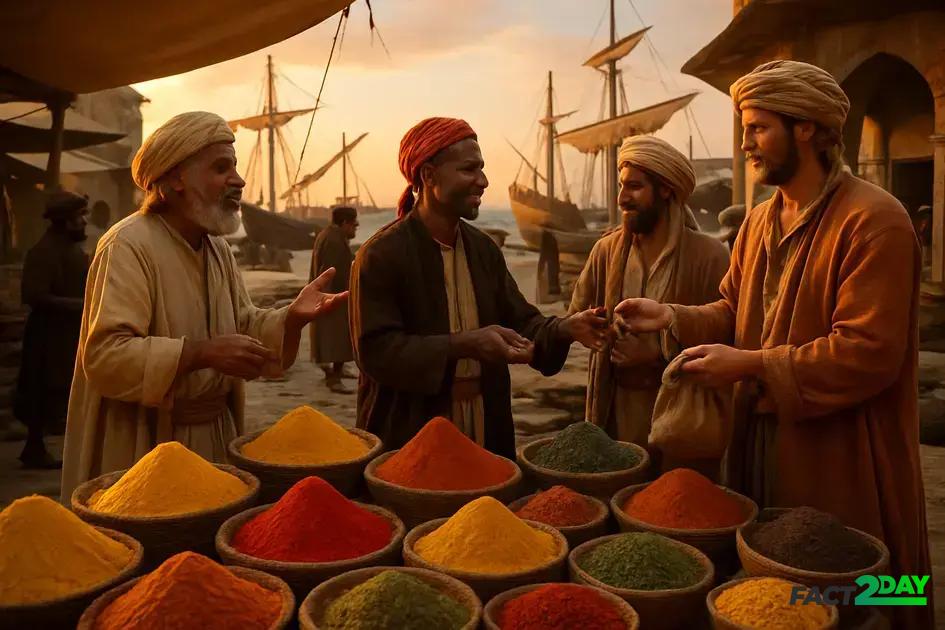
The history of spices involves ancient trade routes that connected continents, fueled exploration, conflict, and cultural and economic changes that shaped the modern world.
Have you ever felt the magic that surrounds The History of Spices? These aromatic treasures not only seasoned dishes but also shaped destinies and empires over the centuries. On this journey of aromas and power, I invite you to unravel these intense stories.
The Origin and Value of Spices in Antiquity
Spices held tremendous value in ancient times, often considered as precious as gold or silver. They were used not only to enhance flavor but also held religious, medicinal, and preservative properties. Civilizations such as the Egyptians, Romans, and Chinese prized spices like cinnamon, pepper, and cardamom, which were imported from distant lands.
Trade and Cultural Exchange
The origin of spice trade can be traced back to early trade routes connecting Asia, the Middle East, and Europe. Merchants traveled vast distances across deserts, mountains, and seas to bring back these exotic commodities. This exchange influenced cultures, cuisine, and even language, spreading new ideas along with the spices.
High Demand and Economic Impact
The rarity and difficulty in acquiring spices made them extremely valuable. They became a driving force behind the rise of powerful empires who controlled these trade routes and markets. This high demand fueled exploration and often led to conflicts over control of key spice-producing regions.
As a result, spices became symbols of wealth and status, used by nobility and elites to display power and influence. Their legacy continues today, shaping global cuisine and cultural traditions.
explorations and conflicts motivated by spices
The quest for spices led to intense explorations and conflicts throughout history. European powers like Portugal, Spain, and the Netherlands launched expeditions to discover new sea routes to spice-rich regions such as India, Indonesia, and the Spice Islands. These voyages marked the beginning of the Age of Discovery.
Competition for Control
Control over the spice trade meant immense wealth, so disputes and wars erupted among colonial empires. Naval battles and territorial conquests became common as nations sought to dominate strategic ports and spice-producing areas. The struggle extended to local kingdoms, often disrupting established trade networks.
Impact on Global Politics
This competition reshaped global politics by establishing European colonial empires worldwide. The treaties and alliances formed around spice control influenced borders and economic policies. The violent clashes also had long-lasting effects on indigenous populations and cultures, altering social structures.
Explorations driven by spices connected continents and introduced unprecedented cultural exchanges, but they also left a legacy of conflict and exploitation that echoed for centuries.
cultural and economic impacts of the spice routes
The spice trade routes had profound cultural and economic impacts across continents. These routes connected Asia, Europe, Africa, and the Middle East, facilitating not just the exchange of goods but also ideas, religions, and technologies. Cities along these routes became vibrant cultural melting pots.
Cultural Exchange
Through the spice routes, diverse peoples shared languages, art, and cuisine. The introduction of new spices transformed cooking traditions worldwide, while trade brought about the spread of religions like Islam and Buddhism. Artisan crafts and knowledge in navigation and medicine also traveled these paths, enriching societies involved in the spice commerce.
Economic Growth and Urban Development
The demand for spices stimulated economic growth, leading to the rise of wealthy trading cities and powerful mercantile classes. Port cities flourished as hubs of commerce, creating jobs and new markets. Control over these lucrative routes was vital for economic dominance, encouraging innovation in shipbuilding and finance.
Overall, the spice trade routes reshaped economies and cultures, leaving a lasting legacy evident in the globalized world today.
The lasting legacy of the spice trade
The spice trade shaped the world in many ways, influencing culture, economy, and politics across continents. It connected distant lands, spreading ideas, traditions, and technologies that enriched societies.
The demand for spices drove exploration, conflict, and innovation, leaving behind cities and cultures that thrived through trade. Today, the flavors and histories of spices remind us of a complex past that helped build our global community.
Understanding this epic story helps us appreciate how something as simple as spices changed history and brought the world closer together.