Space Menu: The Evolution of Astronaut Food in Outer Space
A dieta de astronautas revela avanços surpreendentes na alimentação durante as missões espaciais, unindo ciência e tecnologia para o bem-estar no espaço.
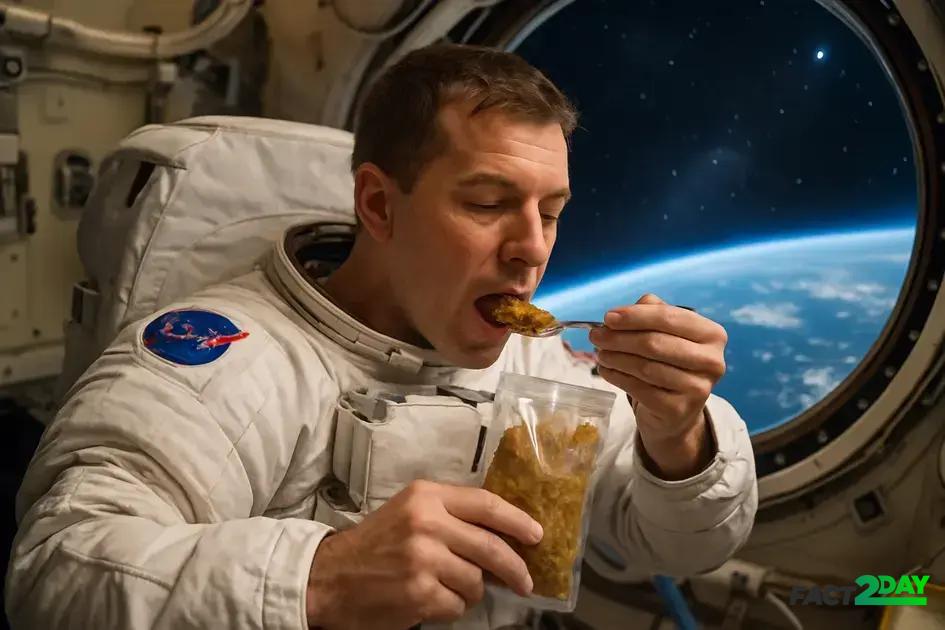
Astronaut diets are carefully planned using advanced technologies to preserve nutrients, adapt menus, and ensure health and performance during long space missions.
Have you ever considered how crucial astronaut diets are to the success of space missions? Food in space is not only sustenance, but a delicate link between the human body and the harsh environment out there. Let’s explore this fascinating evolution together.
The importance of nutrition in the space environment
Maintaining proper nutrition is crucial for astronauts as their bodies face unique challenges in space. Without gravity, muscle mass and bone density can rapidly decrease, making a balanced diet essential for health and mission success. Nutrients need to support the immune system, muscle maintenance, and cognitive function during stressful conditions.
Impact of Microgravity on the Body
In microgravity, fluids shift and bones lose minerals, which can lead to weakness and increased risk of fractures. Special nutrients like calcium and vitamin D are prioritized to counteract these effects. Protein intake is carefully managed to preserve muscle mass, while antioxidants help combat increased oxidative stress in space.
Challenges in Space Nutrition
Space food must be compact, lightweight, and shelf-stable for long durations. It also needs to be appetizing to encourage astronauts to eat enough calories. Dehydration of food and packaging techniques help preserve nutrients while reducing waste. Additionally, flavors can be muted in space, so varied seasoning is used to enhance taste.
The Role of Hydration
Water is critical for overall health and is carefully recycled aboard spacecraft. Astronauts must drink sufficient fluids to avoid dehydration, which can be more prevalent in space due to fluid redistribution. Proper hydration supports digestion and nutrient absorption, maintaining overall well-being during missions.
tecnologias e inovações na dieta de astronautas
Advancements in space food technology have revolutionized how astronauts eat and stay healthy during missions. Freeze-drying, vacuum sealing, and irradiation are some key methods used to preserve nutrients and extend shelf life without adding weight. These innovations ensure that food remains safe, nutritious, and tasty over long-duration flights.
Freeze-Drying and Packaging
Freeze-drying removes moisture while maintaining flavor and nutrients, making food lightweight and easy to store. Packages are vacuum-sealed to protect against contamination and spoilage. This technique allows a wide variety of meals, from fruits to full entrees, to be brought into space without compromising quality.
3D Printing of Space Food
Emerging technology like 3D food printing offers customized nutrition with precise control of ingredients. This can help tailor meals to individual astronaut needs and preferences. 3D printers can create food layers using powders and gels, opening possibilities for sustainable food production in future deep-space missions.
Bioregenerative Life Support Systems
Innovative systems grow fresh food onboard spacecraft or space stations using hydroponics and aeroponics. These not only provide fresh nutrition but also contribute to air recycling and water purification. Growing plants in space offers psychological benefits, connecting astronauts with nature far from Earth.
os desafios e adaptações do menu durante missões longas
Long-duration space missions present unique challenges for planning and maintaining astronaut menus. Food must remain nutritious, safe, and appealing for months or even years while coping with limited storage space and resources.
Preservation and Shelf Life
Maintaining freshness is difficult without refrigeration. Advanced preservation techniques like freeze-drying and vacuum sealing extend shelf life but can alter taste and texture. Ensuring food retains enough nutrients over time is critical to avoid deficiencies.
Psychological and Sensory Challenges
Monotony and flavor fatigue can reduce appetite, impacting health. Astronauts may crave fresh or familiar foods. Some missions incorporate small amounts of fresh produce grown onboard or periodically resupplied to boost morale and provide dietary variety.
Menu Adaptations and Individual Needs
Diets are tailored to individual requirements, considering allergies, preferences, and medical conditions. Nutrient-dense meals help meet calorie demands in a microgravity environment where metabolism changes. Meal times and portion sizes may also be adjusted to optimize digestion and comfort.
Adapting to space food challenges is essential for mission success
Long missions in space require careful planning to keep astronauts healthy and motivated through proper nutrition. The unique preservation methods and menu adaptations help overcome limits in storage and fresh food availability.
Addressing sensory and psychological needs is important to maintain good appetite and well-being. Personalized diets ensure each astronaut gets the nutrients needed to perform their best.
Continuous innovation in space food technology will support future deep-space travel and improve life beyond Earth. Understanding these challenges highlights the vital role of diet in space exploration.