O Olhar que Sente o Sabor: Como a Cor dos Alimentos Engana (ou Aprimora) Nossa Percepção do Gosto
Descubra como a cor dos alimentos e sabor podem influenciar sua percepção gustativa de forma surpreendente e delicada, revelando nuances que você talvez nunca tenha notado.
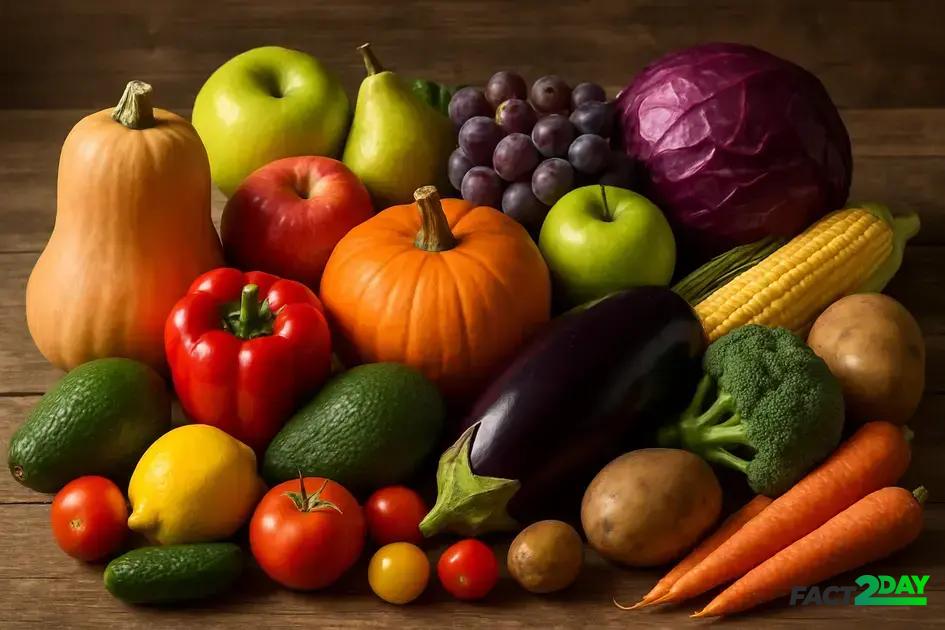
The color of food directly influences taste perception by setting flavor expectations, as the brain associates specific hues with certain tastes, enhancing or altering how we experience flavor.
A cor dos alimentos e sabor caminham juntos de um jeito que raramente percebemos. Já sentiu que um alimento parecia mais gostoso só por sua cor? Vamos explorar esse encantamento que mistura olhos e paladar, vendo como nossa mente às vezes se engana e outras se delicia.
a influência da cor na percepção do sabor
The color of food plays a powerful role in shaping how we perceive its flavor. When we see vibrant reds, bright greens, or deep yellows, our brain instantly associates these hues with certain tastes, like sweetness, freshness, or bitterness. Visual cues from color set expectations before the food even touches our tongue.
Studies show that people often describe a food’s taste differently based solely on its color. For example, a strawberry-flavored drink dyed purple might be perceived as grape-flavored instead. This demonstrates how color can enhance or deceive our taste buds, altering our overall experience.
Moreover, cultural background and personal memories linked to color influence taste perception. Certain colors may remind someone of familiar flavors, increasing their enjoyment, while others might trigger hesitation. This connection between sight and flavor highlights why chefs and food designers carefully choose colors to create appealing dishes.
Understanding the influence of color on taste perception helps us appreciate how much our senses work together. It also opens up possibilities to design foods that are not only tasty but visually compelling, enriching our eating experience beyond just flavor.
por que o cérebro associa cor e gosto
The brain’s association between color and taste is rooted in evolution and learned experiences. From early on, our brains learned to link certain colors with specific flavors and food safety. For example, bright red often signals sweetness or ripeness, while dull colors might indicate spoilage.
This connection happens because the brain combines information from our eyes and taste buds simultaneously. When we eat, visual cues like color help set expectations about the flavor, which can influence how we perceive the taste itself.
Neuroscience research shows that the brain’s sensory areas communicate closely. When color suggests sweetness, the brain may enhance the sensation of sugar on the tongue, even before the full taste is sensed. This interplay creates a more vivid and convincing flavor experience.
Additionally, culture and individual memory shape how we associate colors and tastes. For instance, some may find green relates to sourness due to experiences with lime or green apple. Understanding the brain’s role helps us see why food presentation matters as much as ingredients.
como usar cores para melhorar sua experiência alimentar
Using colors intentionally can transform the way we enjoy food. Colors influence appetite and mood, so selecting vibrant hues can make meals more appealing and satisfying. For example, warm colors like red and orange often stimulate hunger, while cooler colors like blue might suppress it.
Chefs and food marketers use colors strategically to highlight freshness and quality. Bright green vegetables communicate crispness and health, while rich golden tones in baked goods suggest warmth and comfort.
At home, you can enhance your dining experience by paying attention to the colors on your plate. Combining a variety of colors not only provides a balanced meal nutritionally but also makes eating more enjoyable. For instance, adding colorful fruits, vegetables, and spices can brighten dishes and stimulate taste perception.
Plateware and lighting also affect how colors are perceived. Using white plates can make food colors pop, while soft, warm lighting can enhance natural tones, adding to the overall flavor experience.
Enhancing your food experience with color
Color is more than just a visual trait; it directly impacts how we perceive and enjoy food. By understanding and using colors thoughtfully, we can make meals more appealing and even influence our taste perception.
Whether you’re a home cook or a food lover, paying attention to the colors on your plate can elevate your dining experience and bring more joy to eating.
Experimenting with vibrant foods and mindful presentation can open new doors to savoring flavors beyond just taste. Embrace the power of color and let it transform your relationship with food.