Virtual Storytellers: Games That Revolutionized Interactive Storytelling
Jogos inovadores em narrativa transformam a forma como contamos histórias, convidando você a mergulhar em experiências interativas únicas e envolventes.
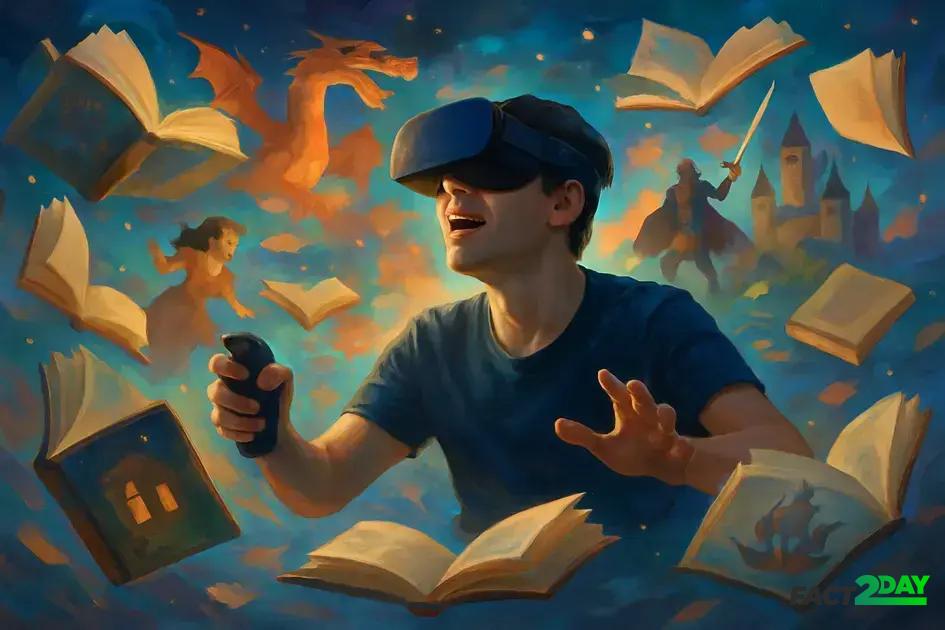
Innovative narrative games utilize player choice, branching storylines, and character development to create deep interactive experiences that inspire and foster learning.
Innovative narrative games invite you to explore worlds where the story adapts and grows with your choices. Have you ever felt this immersion? On this journey, we’ll uncover how these games forever changed storytelling.
How innovative games changed traditional storytelling
In recent years, innovative games have transformed traditional storytelling by introducing dynamic narratives that respond to player choices. Unlike classic linear stories, these games allow players to shape the plot and influence outcomes, creating unique experiences each time. This shift challenges the old format where stories had a fixed path and limited player impact.
One key element changing narrative traditions is the use of branching storylines. Players face decisions that lead to multiple paths and endings, which enhances immersion and increases replayability. Games like these invite players to become active participants rather than just observers, blending gameplay with storytelling seamlessly.
Moreover, innovative games often integrate character development and world-building tailored to player actions, making stories feel personal. Interactive dialogues, moral dilemmas, and evolving environments encourage deeper emotional connections, enriching the narrative experience beyond traditional forms.
These innovations are reshaping how stories are told in digital media, making games not just entertainment but powerful tools for narrative exploration and emotional engagement.
elements that make interactive storytelling unique
Interactive narratives rely on several critical elements that make them unique and engaging. One of the most important is player choice. Unlike traditional stories, interactive games allow players to make decisions that directly influence the plot, characters, and outcome. This creates a personalized experience where every choice feels meaningful.
Another essential aspect is branching storylines. These multiple paths offer different events and endings, encouraging players to explore various options and replay the game to see new possibilities. This design greatly increases engagement and immersion.
Character development also plays a significant role. Players often interact with complex characters whose personalities and relationships evolve depending on player actions. This dynamic interaction helps build emotional connections and a deeper understanding of the story world.
Moreover, environmental storytelling adds layers to the narrative by using the game world itself to convey details and background. Visual cues, audio elements, and hidden lore immerse players in the story beyond dialogue and cutscenes.
Finally, the use of interactive dialogues where players choose responses or reactions further personalizes the narrative, reflecting individual play styles while advancing the plot.
emotional impact and learning in narrative games
Emotional impact and learning are central to narrative games, creating memorable experiences that resonate deeply with players. These games use storytelling to evoke feelings like empathy, sadness, or joy, helping players connect with characters on a personal level.
Emotional engagement is often achieved through relatable characters and meaningful choices that have real consequences in the game world. This connection encourages players to reflect on their decisions and the story’s themes, making the gameplay more immersive.
Moreover, narrative games can be powerful learning tools. They often simulate real-life situations or moral dilemmas, prompting players to think critically and understand different perspectives. This interactive learning approach can improve problem-solving skills and emotional intelligence.
Story-driven games also introduce players to new cultures, histories, and ideas, expanding their knowledge while entertaining them. The combination of emotion and education makes narrative games a unique medium for both personal growth and enjoyment.
The lasting value of emotional and educational narratives in games
Narrative games offer more than just entertainment; they create deep emotional connections and opportunities for learning. By engaging players emotionally, these games make stories more impactful and memorable.
At the same time, they encourage reflection, critical thinking, and empathy through meaningful choices and challenging situations. This blend of emotion and education sets narrative games apart as unique experiences that can influence players long after they finish playing.
As game developers continue to innovate, the power of storytelling to teach and inspire will only grow stronger, offering players meaningful journeys filled with both fun and growth.