The Soundtrack of Our Digital Lives: The Evolution of Video Game Music
Evolução da música de jogos mostra como trilhas sonoras moldaram nossas emoções e experiências nos videogames ao longo do tempo.
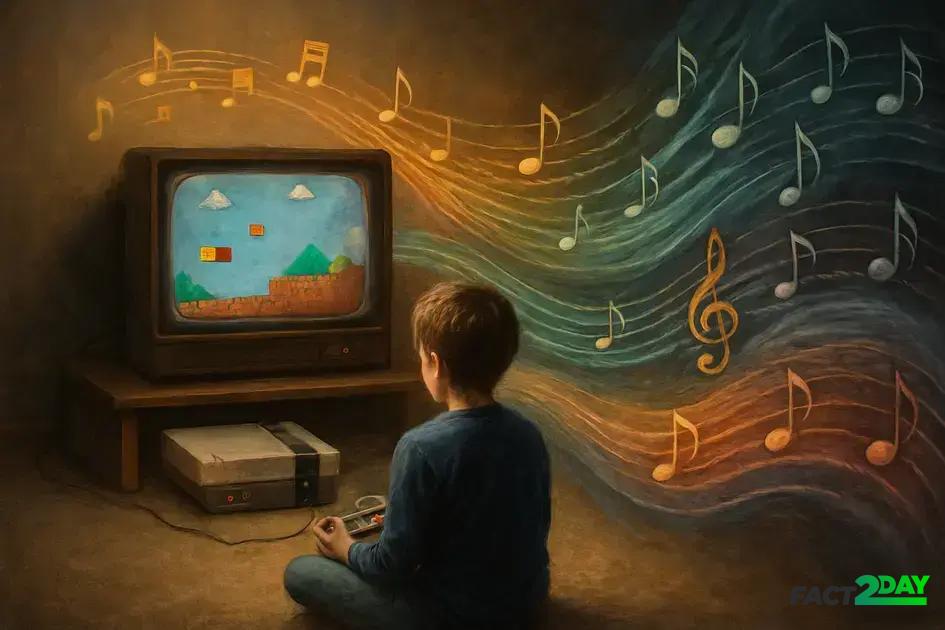
The evolution of video game music transformed simple 8-bit tones into rich, dynamic soundtracks that deeply connect players emotionally and enhance gameplay immersion.
Have you ever stopped to think about how the evolution of game music parallels the journey of video games? Who hasn’t been moved by recognizing a soundtrack that defined a phase of digital life? Let’s explore this sonic universe together, one that touches both emotions and nostalgia.
From Simple Music to Epic Hymns: Sound Transformation in Video Games
In the earliest days of video games, music was limited to simple, melodic beeps and tones due to hardware restrictions. These basic sounds had to convey mood and action with minimal resources, often creating memorable yet simple tunes that players could immediately recognize. As technology advanced, developers gained the ability to craft more complex and layered compositions, evolving from simple chiptunes to expansive orchestrations.
The transformation from simple melodies to epic anthems reflects how soundtracks have grown alongside games, becoming pivotal in storytelling and immersion. Iconic games started featuring sweeping scores that rival those in films, utilizing full orchestras, diverse instruments, and dynamic arrangements.
This shift not only enhanced the emotional connection players felt but also elevated video game music to an art form enjoyed independently from gameplay. Today’s soundtracks often mix electronic and classical styles, adapting dynamically to in-game situations, providing a rich auditory experience that complements the evolving complexity of video games.
how technology has shaped game sounds over the years
Technology has played a crucial role in shaping the soundscapes of video games through the years. Early gaming consoles and arcade machines had very limited sound chips, which allowed only simple tones and melodies. As processors and audio hardware improved, composers could use more channels and a wider range of sounds.
With the arrival of CD-ROMs and advanced storage media, developers started to integrate recorded audio, allowing for high-quality music and realistic sound effects. The introduction of surround sound and 3D audio technologies has enhanced immersion, enabling players to feel enveloped by the game’s environment.
The impact of digital audio workstations and software
Modern production tools let composers create complex arrangements and dynamic soundtracks that adapt in real-time to gameplay. Procedural audio techniques and interactive music systems respond to player actions, making each gaming experience unique.
Advancements like virtual reality also demand sophisticated sound design, where precise spatial audio cues are vital. Overall, technology continues to push the boundaries of what is possible in video game music, turning sound into an integral part of storytelling and engagement.
the emotional connection between players and iconic soundtracks
Music in video games often serves as more than just background sound; it builds a strong emotional connection between players and the game world. Iconic soundtracks become deeply intertwined with memorable moments, evoking nostalgia, excitement, or tension long after the game ends.
Many players associate certain melodies with feelings of victory, challenge, or adventure. For example, themes from classic titles like Super Mario Bros. or The Legend of Zelda act as auditory symbols of entire gaming experiences, triggering vivid memories and emotions.
The power of leitmotifs and recurring musical themes
Repetition of musical motifs tied to characters or locations helps reinforce storytelling and emotional investment. These sounds often guide players’ moods and expectations, enhancing immersion by making the game world feel alive and personal.
This emotional bond extends beyond the game play itself, influencing fan communities, inspiring covers, remixes, and even live orchestral performances. Such music transcends entertainment, becoming part of cultural identity for many gamers worldwide.
Understanding the lasting impact of video game music
The emotional connection between players and iconic game soundtracks shows how powerful music can be in shaping our digital experiences. These melodies do more than entertain; they create memories and feelings that stay with us long after playing.
As videogame music continues to evolve, it remains a vital part of storytelling and player immersion. Whether through nostalgia or new compositions, the soundtracks help define the culture of gaming and bring communities together.
Recognizing this emotional bond highlights why music in games deserves as much attention as graphics or gameplay. It truly enriches the way we experience and remember video games.