The Design Paradox: The Most Challenging Dilemmas in Video Game Design
Paradojos do game design revelam os dilemas que desafiam criadores a equilibrar diversão, desafio e narrativa numa experiência única.
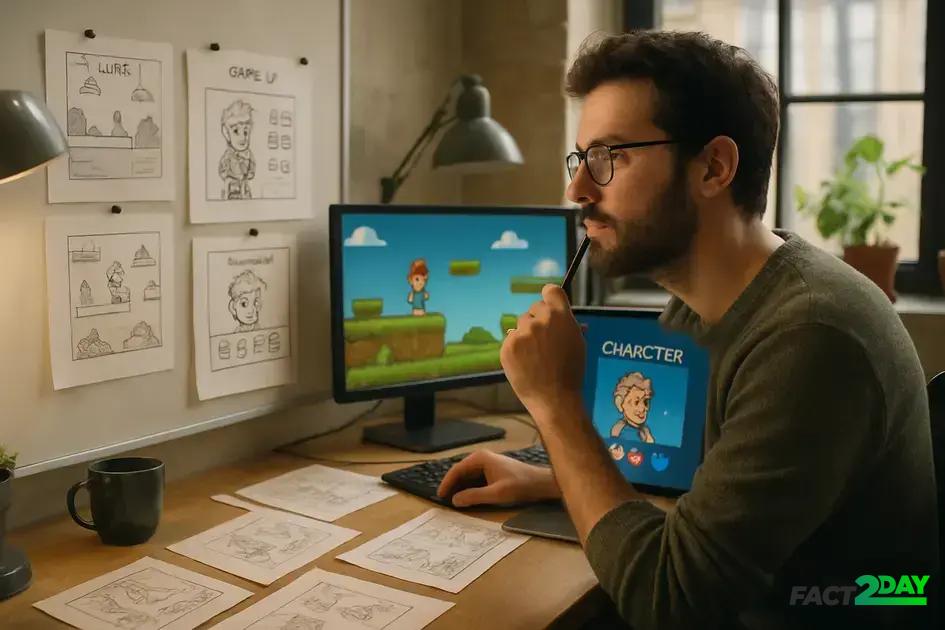
Game design paradoxes are the challenges designers face when balancing conflicting elements like difficulty versus accessibility, narrative versus player freedom, and innovation versus familiarity to create engaging and enjoyable video games.
Game design paradoxes arise whenever a creator tries to balance seemingly contradictory elements, like challenge and fun. Have you ever felt that a game is simultaneously fascinating and frustrating? Let’s explore these dilemmas that make design both complex and enchanting.
The conflicts between challenge and accessibility
The balance between challenge and accessibility in game design is a delicate tightrope walk. Games need to be engaging enough to keep players interested, but not so difficult that they become frustrating or inaccessible to newcomers. This creates a conflict where designers must decide how to cater to both hardcore gamers and casual players.
Understanding Challenge in Games
Challenge drives player motivation and satisfaction. Overcoming difficult obstacles provides a sense of achievement and mastery. However, if the challenge is too high, players may feel overwhelmed or give up. Game designers use techniques like adaptive difficulty and skill-based matchmaking to maintain an optimal challenge level.
Ensuring Accessibility
Accessibility means making games playable for a wide audience, including those with different skill levels or disabilities. This involves clear controls, tutorials, and customizable settings. Accessibility also covers cognitive load — too many complex mechanics can alienate some players. Striking the right balance means providing options without diluting the core gameplay.
Designers must continuously test and listen to player feedback to find where challenge becomes a barrier. Some games include multiple difficulty modes or assist options to bridge this gap. Ultimately, a well-balanced game respects diverse player needs without sacrificing the fun that challenges bring.
Narrative versus player freedom
In game design, the conflict between narrative and player freedom often shapes the entire experience. A strong narrative guides players through a crafted story, but too much control can limit their ability to explore and make meaningful choices. On the other hand, giving players too much freedom might dilute the story’s impact or create confusion.
The Role of Narrative
Narrative provides context and emotional depth. It can motivate players by connecting gameplay with a story arc. Designers carefully script events, dialogues, and character development to keep players invested. However, this often requires directing players toward specific goals or sequences.
Player Freedom and Agency
Allowing players freedom means they can explore worlds and take actions as they desire. Games with open-world mechanics or branching storylines emphasize player choice. This freedom increases replay value and personal engagement but demands more complex design to maintain cohesion.
Balancing narrative and freedom means creating systems that adapt to player decisions while preserving key story moments. Techniques such as emergent storytelling and modular narratives aim to blend structure with flexibility. Designers must anticipate multiple outcomes and ways players might navigate the game world.
The search for balance between innovation and familiarity
Innovating in game design is essential to keep players engaged, but excessive novelty can alienate them. Players often find comfort in familiar mechanics and genres, creating a challenge for designers to balance innovation and familiarity.
The Importance of Familiarity
Familiar elements give players a sense of control and reduce the learning curve. Recognizable controls, gameplay loops, and themes help players feel confident and encourage deeper engagement. This trust allows them to focus on the experience rather than struggling with new mechanics.
Driving Innovation
Innovation introduces fresh ideas, unique storylines, or novel gameplay mechanics, making games stand out in a crowded market. Designers push boundaries by experimenting with technology, art styles, or interactive narratives. However, too much innovation without clear guidance may confuse or frustrate players.
Striking a balance requires thoughtful design choices that combine proven elements with creative twists. Many successful games mix traditional gameplay with new features, gradually introducing players to novel concepts. Playtesting and feedback are crucial to refine this balance, ensuring the game feels both exciting and accessible.
Balancing innovation and familiarity in game design
Finding the right mix between new ideas and familiar gameplay is key to creating games that feel fresh yet comfortable. This balance helps players stay engaged without feeling lost or overwhelmed.
Designers who listen to player feedback and test different approaches can better blend innovation with what players already enjoy. This thoughtful approach leads to games that are both exciting and accessible.
By combining creativity with proven elements, game designers can build experiences that appeal to a wide audience and stand out in the market.