More Than Just Fun: Video Games That Deeply Explore Philosophy, Ethics, and the Human Condition
Games with Philosophical Depth invite players to explore ethics, meaning, and the human condition through immersive storytelling and thoughtful choices.
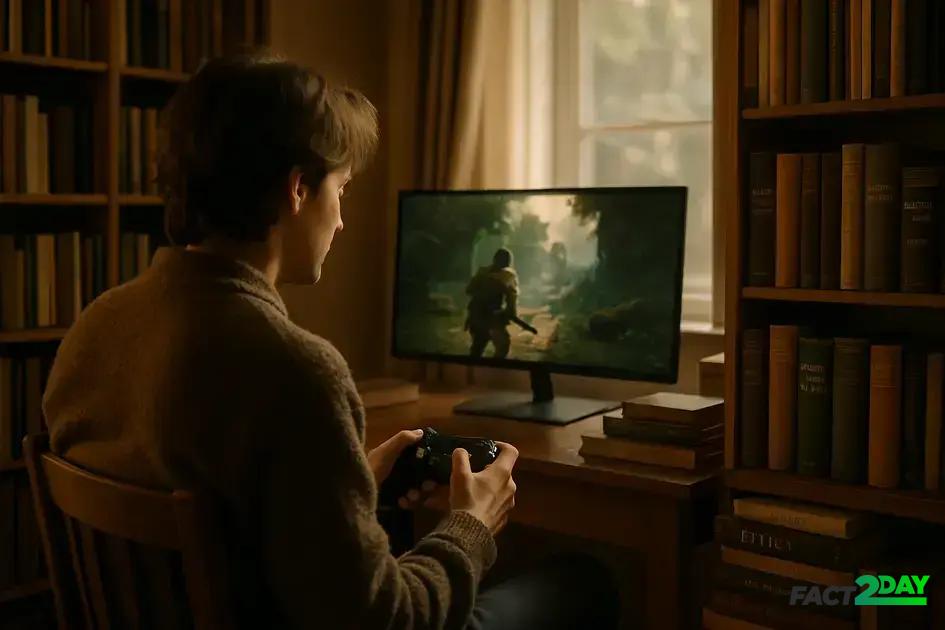
Games with Philosophical Depth engage players by blending interactive storytelling and gameplay mechanics to explore ethics, human existence, and critical reflection on morality, making video games a powerful medium for philosophical exploration beyond entertainment.
Have you ever paused while playing to wonder about big questions? Games with Philosophical Depth invite us to look beyond fun and explore ideas about ethics, existence, and what it means to be human. Let’s walk that path together and see how games become a space for thoughtful reflection.
understanding the blend of gaming and philosophy
Understanding the blend of gaming and philosophy means recognizing how video games go beyond entertainment to raise deep questions about life and knowledge. Games create interactive worlds where players participate in ethical decisions, explore identity, and confront existential themes.
Many games use storytelling and player choice to immerse players in philosophical ideas. For instance, players might face dilemmas about morality where decisions affect outcomes, encouraging critical thinking about right and wrong.
Moreover, game mechanics themselves sometimes embody philosophical concepts. Choices, consequences, and exploration mechanics invite players to reflect on causality and freedom.
This combination of gameplay and philosophy opens a unique space where abstract ideas become personal experiences. It transforms passive consumption into active engagement, inviting players to question their own beliefs in an interactive format.
ethical dilemmas that challenge players’ morals
Ethical dilemmas in video games push players to make tough decisions that have moral consequences. These choices often lack clear right or wrong answers, compelling players to reflect on their own values and beliefs.
Games use narrative and gameplay mechanics to create situations where players must weigh competing interests, such as sacrificing one character to save many, or deciding whether to trust questionable allies. These moments simulate real-life ethical conflicts and encourage thoughtful engagement.
These dilemmas are not just about the story but affect the game’s world, leading to multiple possible endings or changes in relationships. This dynamic response makes morality feel personal and impactful.
By confronting players with these challenges, games become a space for exploring complex philosophical questions about justice, responsibility, and the nature of good and evil.
narrative depth and its role in philosophical engagement
Narrative depth in video games creates rich stories that invite players to engage with complex philosophical themes. These narratives often explore ideas about existence, identity, and morality, making players think deeply about the game’s world and their role within it.
Storytelling as a Philosophical Tool
Strong narratives use character development, dialogue, and plot twists to raise questions about human nature and society. Players connect emotionally with characters, which helps bring philosophical issues to life in an accessible way.
Multiple Perspectives
Games often provide various viewpoints, allowing players to see events from different angles. This encourages empathy and critical thinking, as players consider why characters act as they do and how choices affect the story.
The interplay between narrative and player choice helps create a personalized philosophy experience. Players don’t just observe the story—they shape it, which deepens their engagement with ethical and existential questions.
how gameplay mechanics express philosophical ideas
Gameplay mechanics often serve as more than just fun elements; they can express deep philosophical ideas through how players interact with the game world. Mechanics like choice, consequence, and resource management mirror real-life concepts such as freedom, responsibility, and scarcity.
Choice and Consequence
Many games use branching paths and moral decisions to highlight the weight of personal responsibility. When players see the outcomes of their actions, it prompts reflection on ethical decision-making and the impact one has on others.
Rules as Philosophical Constructs
Game mechanics are sets of rules that define what is possible within a virtual world. This can symbolize philosophical discussions about determinism and free will—whether actions are predefined or chosen freely.
Mechanics like survival systems or puzzles also encourage strategic thinking, mirroring human problem-solving and the search for meaning.
By engaging with these mechanics, players don’t just play—they experience philosophical ideas firsthand, making abstract concepts tangible and personally relevant.
examples of games that explore human existence
Several video games stand out for their exploration of human existence through story, choice, and gameplay. These games ask players to consider what it means to live, suffer, and find purpose.
Journey
This game uses a minimalist approach to explore themes of life, death, and connection. Players travel through a vast desert, encountering others in mysterious ways. It highlights human experiences like cooperation and the search for meaning.
What Remains of Edith Finch
This narrative-driven game presents a collection of short stories about a family’s history. It delves into themes of memory, legacy, and mortality, reflecting on how we confront our own existence.
Dark Souls
Known for its challenging gameplay, its deep lore explores suffering, despair, and the cycle of life and death. Players face a world at the brink of ruin, prompting reflection on resilience and fate.
These games show how interactive media can engage players in profound questions about human nature, making the experience both personal and philosophical.
the impact of player choice on ethical reflection
Player choice in video games often shapes how players reflect on ethics. When games offer meaningful decisions, players must consider the moral consequences of their actions, making ethics a personal experience rather than a distant idea.
Agency and Responsibility
Giving players agency means they control the story’s direction and outcomes. This responsibility encourages players to think carefully about what their choices reveal about their values.
Multiple Outcomes
Games with varied endings based on choices show how different ethical paths affect the game world. This highlights the complexity of moral decisions, where outcomes can be both good and bad depending on perspective.
The interactive nature of games allows players to witness consequences immediately, prompting reflection on cause and effect in ethical terms.
By engaging with these choices, players develop a deeper understanding of ethics, empathy, and the impact of their decisions on others.
why philosophy in games matters today
Philosophy in games matters today because it enriches the gaming experience, making it more than just entertainment. It encourages players to think about life, ethics, and what it means to be human, all while engaging with interactive storytelling.
Encouraging Critical Thinking
Games that explore philosophical themes challenge players to question their beliefs and consider different viewpoints. This critical thinking can extend beyond the game and influence real-life perspectives.
Fostering Empathy and Understanding
By placing players in the shoes of diverse characters and offering moral choices, games promote empathy. Players experience situations that might be unfamiliar, helping them understand complex human emotions and social issues.
Moreover, philosophy in games offers a unique way to explore abstract ideas through direct interaction. This makes philosophical concepts more accessible and engaging for a wide audience.
As games continue to evolve, their ability to address important questions about humanity and society cements their role as powerful cultural tools.
Why Philosophy in Games Continues to Matter
Video games that explore philosophical ideas help players think deeper about life, ethics, and human nature. They turn gaming into a meaningful experience that goes beyond simple fun.
By encouraging critical thinking and empathy, these games open doors to new perspectives and understanding. As gaming grows, its power to engage with important questions makes it a unique and valuable part of modern culture.
Exploring philosophy through games invites all of us to reflect on who we are and the choices we make, showing that games can truly be more than just entertainment.