Therapeutic Worlds: How Specific Video Games Are Being Used in Modern Therapy and Rehabilitation
Explore how Games Used in Therapy are transforming healing processes and rehabilitation with engaging, innovative video game techniques.
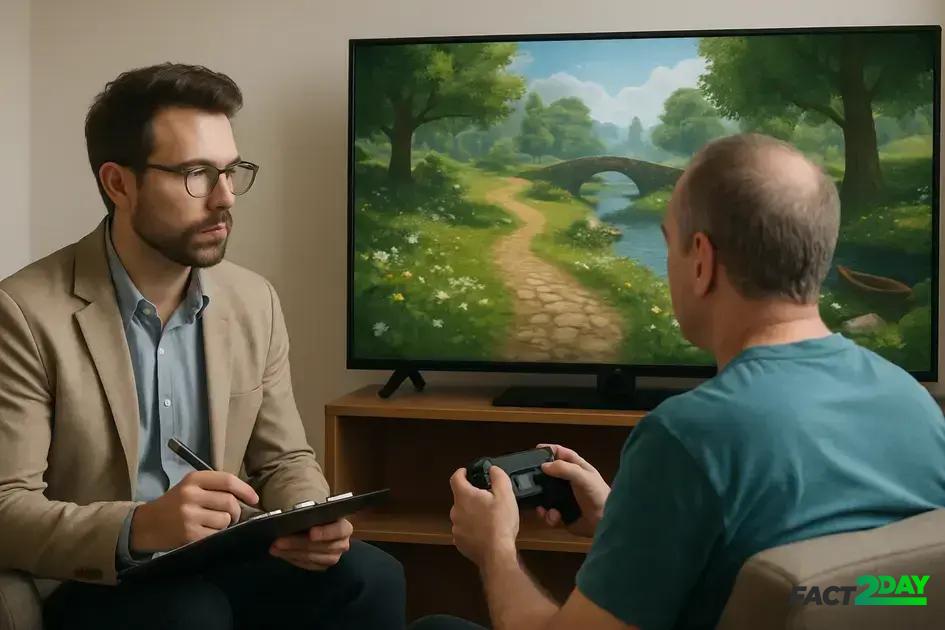
Games used in therapy are specialized video games designed to support mental, emotional, and physical rehabilitation by engaging patients in targeted exercises that improve cognitive function, emotional regulation, and physical recovery.
Have you ever wondered how Games Used in Therapy are reshaping the way we approach healing? Let’s explore these digital realms that offer both care and challenge, opening new paths in modern rehabilitation and therapy.
understanding games used in therapy
Games used in therapy have become powerful tools to engage patients in their healing journey. These games are carefully designed or selected to support mental, emotional, and physical rehabilitation through interactive experiences. Unlike traditional methods, therapeutic games can motivate users by providing immediate feedback and a sense of achievement, which is essential for progress.
At their core, these games focus on improving specific skills such as memory, coordination, or emotional regulation. For example, some games challenge cognitive functions through puzzles and memory tasks, while others encourage movement and physical activity tailored to the patient’s abilities.
Therapists often customize the game choice based on individual needs, integrating them seamlessly into treatment plans. This approach increases patient engagement and can make therapy feel less like a chore and more like a rewarding activity.
Benefits of games in therapy
Therapeutic games offer several advantages, including enhanced motivation, personalized pacing, and the ability to track progress quantitatively. They often reduce anxiety associated with therapy by providing a fun and immersive environment.
Understanding the principles behind these games helps both therapists and patients recognize how play can lead to real-world recovery, fostering hope and resilience in the process.
how video games aid cognitive rehabilitation
Video games have become valuable tools in cognitive rehabilitation by offering engaging ways to improve memory, attention, and problem-solving skills. These games often include tasks that challenge the brain, helping patients rebuild neural connections after injuries or illnesses.
Many therapeutic games use puzzle-solving, pattern recognition, and reaction speed exercises that adapt to the player’s progress. This adaptability keeps patients motivated and provides just the right level of difficulty to promote improvement without causing frustration.
Role of repetitive practice
Repetition is key in cognitive recovery, and video games allow patients to repeat specific tasks safely and enjoyably. This regular practice strengthens mental functions and supports the transfer of skills into daily life.
Measuring progress with games
Therapeutic games also often include tracking features. They record performance data that therapists can use to assess progress and adjust treatment plans accordingly. This data-driven approach helps make rehabilitation more personalized and effective.
By combining challenge, fun, and measurable progress, video games are proving to be powerful allies in cognitive rehabilitation programs worldwide.
the role of games in emotional healing
Games play a significant role in emotional healing by offering safe spaces for expression, reflection, and stress relief. These interactive experiences can help individuals process difficult feelings such as anxiety, depression, or trauma in a controlled environment.
Therapeutic games often include narratives and characters that encourage empathy and self-awareness. By engaging emotionally with the story, players can gain new perspectives on their own experiences, which supports healing.
Emotional regulation through gameplay
Many games incorporate calming mechanics such as guided breathing exercises, slow-paced exploration, or mindful challenges. These techniques assist players in managing overwhelming emotions and developing coping skills.
Building resilience and social connection
Multiplayer therapeutic games promote social interaction and support, helping users build resilience through shared experiences. Feeling connected can reduce feelings of isolation that often accompany emotional distress.
Overall, games can act as powerful tools to foster emotional growth and wellness by combining engaging storytelling with restorative activities.
video games supporting physical therapy
Video games have proven to be effective tools in supporting physical therapy by combining exercise with interactive play. These games encourage patients to perform specific movements that aid muscle recovery, coordination, and balance, making therapy sessions more engaging.
Therapeutic video games use motion sensors and controllers to track users’ movements accurately, providing real-time feedback to ensure correct form. This feedback helps prevent injury and maximizes the benefits of exercises.
Enhancing motivation and adherence
The fun and competitive nature of video games helps increase patient motivation to complete therapy routines regularly. Patients often find it easier to stay committed when exercises are presented as challenges or goals within a game.
Customizable therapy programs
Many physical therapy games can be adjusted to match the patient’s abilities and progress. This customization allows therapists to tailor sessions to individual needs, ensuring that the difficulty scales appropriately for each stage of recovery.
Overall, video games supporting physical therapy blend technology and care to promote faster and more enjoyable rehabilitation experiences.
designing therapeutic games with purpose
Designing therapeutic games with purpose requires a deep understanding of both game mechanics and clinical goals. Developers collaborate closely with healthcare professionals to ensure each game element supports specific therapeutic outcomes, whether cognitive, emotional, or physical.
Key design principles include usability and adaptability. Games must be easy to navigate for users of all abilities, and the difficulty should adjust based on the player’s progress to maintain engagement without causing frustration.
Incorporating evidence-based practices
Therapeutic games are built on research-backed methods, integrating tasks proven to aid rehabilitation. This scientific approach boosts the credibility and effectiveness of the games.
Balancing fun and therapy
While the main focus is healing, keeping games enjoyable is critical. Engaging storylines, rewards, and interactive challenges ensure players remain motivated to continue their therapy.
The process of designing purposeful therapeutic games is an evolving art that merges creativity with medical science to maximize patient recovery.
challenges in integrating games into therapy
Integrating games into therapy presents several challenges that therapists and developers must address to ensure effective treatment. One major obstacle is ensuring that games meet clinical standards while remaining engaging and accessible to diverse patient groups.
Technical issues such as hardware costs, software compatibility, and user interface design can limit game adoption in some therapy settings. Therapists also need adequate training to use these tools effectively.
Patient variability
Patients differ in their physical abilities, cognitive levels, and motivation. Designing games that are flexible enough to cater to this wide range is complex but essential for meaningful therapy outcomes.
Balancing entertainment with therapy
Maintaining the right balance between fun and therapeutic goals is critical. Too much focus on entertainment may reduce the treatment’s effectiveness, while overly clinical approaches risk disengaging patients.
Despite these challenges, ongoing research and collaboration between clinicians and game designers are driving improvements, making therapeutic games more accessible and impactful.
future trends in therapeutic gaming
Future trends in therapeutic gaming are rapidly evolving as technology advances. Virtual reality (VR) and augmented reality (AR) are becoming integral parts of therapy, offering immersive environments that enhance patient engagement and realism.
Artificial intelligence (AI) is playing a growing role by personalizing game experiences according to patients’ progress and needs. This customization helps maximize therapeutic outcomes.
Wearable technology and biofeedback
Wearables that monitor physiological signals like heart rate and muscle activity are increasingly integrated with games. This allows real-time adjustments to therapy and provides detailed data to therapists.
Increased accessibility and remote therapy
Cloud-based platforms and mobile gaming are expanding access to therapeutic games, making it easier for patients to continue treatment at home. Remote monitoring and teletherapy are supporting this shift.
As therapeutic gaming continues to innovate, it promises more effective, engaging, and accessible rehabilitation options for diverse patient populations worldwide.
Looking Ahead: The Promise of Therapeutic Gaming
Therapeutic gaming is transforming the way we approach healing and rehabilitation. By combining technology, science, and creativity, these games offer new paths to recovery that are engaging and effective.
As innovations like virtual reality, artificial intelligence, and wearable technology continue to grow, the future of therapeutic gaming looks bright and accessible to more people than ever before.
With ongoing research and collaboration, these digital tools will keep improving, helping patients regain skills, manage emotions, and feel motivated throughout their journey.
Embracing therapeutic games can open doors to better health and quality of life for many individuals worldwide.