Unlikely Creators: The Fascinating History of Games Developed by Unexpected People (Artists, Scientists, etc.)
Discover how Games Made by Non-Gamers opened new creative worlds, blending art, science, and imagination in unexpected ways.
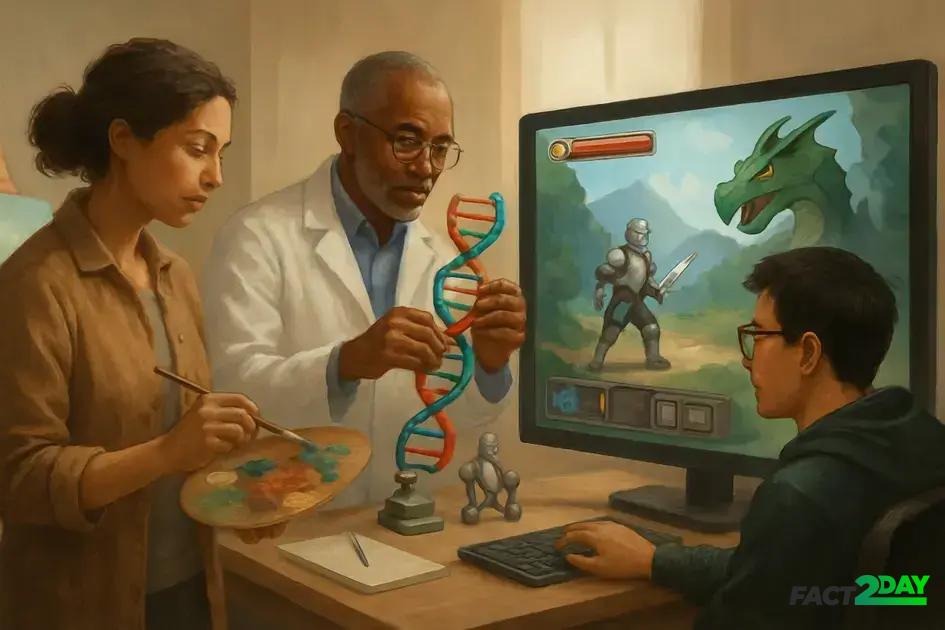
Games made by non-gamers are developed by artists, scientists, and creators from diverse backgrounds who bring unique perspectives, innovation, and fresh storytelling to the gaming industry, expanding its creative and educational possibilities beyond traditional developers.
Games Made by Non-Gamers reveal surprising stories where artists and scientists step away from their usual paths to create immersive worlds. Ever wondered what happens when creative minds with no gaming roots design a game? Let’s explore this intriguing intersection together.
the origins and impact of non-gaming creators
The early development of games often involved individuals outside the traditional gaming industry. Many non-gaming creators brought fresh perspectives that challenged standard game design norms. For instance, artists contributed imaginative storytelling and unique visuals, while scientists introduced methodical problem-solving and innovation. This blend led to games that were not only entertaining but also thought-provoking and educational.
One notable example includes educators who designed games to teach complex subjects in a more engaging way. Their impact extended gaming beyond mere amusement, opening doors to serious games that promote learning and social change. These origins reveal how diverse expertise enriches the gaming world.
The impact of these creators is evident in the variety of game genres and styles found today. By stepping outside conventional boundaries, non-gamers expanded what games can be, influencing industry trends and player expectations. They paved the way for more inclusive and experimental game development, encouraging innovation that continues to shape modern gaming culture.
artists turning imagination into interactive play
Artists bring a unique vision to game development by transforming their imagination into rich, interactive experiences. Their background in visual arts, storytelling, and design allows them to create games that are not only fun but also deeply engaging and visually stunning. Artistic creativity drives innovation in character design, environments, and narratives, making games feel like living works of art.
Many artists approach game creation as a new form of expression, blending traditional art techniques with digital tools. This leads to games with distinctive aesthetics that stand apart from mainstream projects. By focusing on atmosphere and emotional impact, artists craft immersive worlds that invite players to explore and connect.
Moreover, the fusion of art and technology in games expands opportunities for experiential storytelling. Games developed by artists often emphasize mood, symbolism, and abstract concepts, challenging players to think differently. This approach has helped evolve the industry by pushing boundaries beyond conventional mechanics and graphics.
scientists and researchers as game innovators
Scientists and researchers bring analytical thinking and innovation to game development. Their expertise in various fields such as physics, psychology, and computer science often leads to games that explore complex systems or simulate real-world phenomena. These creators use games as a tool to test theories, educate players, or present research in an engaging format.
For example, some researchers design games that simulate biological processes or environmental systems, allowing players to interact with and learn about these topics actively. This approach makes games valuable educational resources and contributes to the rise of serious games.
Moreover, scientists often bring a rigorous development process, emphasizing data analysis and experimentation. They may use games as platforms to collect valuable data on human behavior or problem-solving skills. This combination of research and gameplay can lead to breakthroughs that influence both the scientific community and the gaming industry.
how diverse backgrounds influence game design
Diverse backgrounds bring fresh ideas and unique perspectives to game design. People from different cultures, professions, and experiences contribute to games that feel rich, varied, and inclusive. This diversity influences storytelling, characters, gameplay mechanics, and art styles, making games appeal to wider audiences.
Impact on storytelling and characters
Creators with different cultural backgrounds introduce new narratives and characters that break common stereotypes. They often highlight underrepresented voices and explore themes not usually seen in mainstream games. This results in stories that resonate on a personal level with many players.
Influence on gameplay and mechanics
Non-traditional backgrounds often lead to experimental gameplay. For example, a designer with a scientific background might focus on puzzles and systems modeling, while someone from the arts might prioritize creativity and exploration. This blend of approaches enriches the gaming experience.
Overall, diverse creators foster innovation and empathy in game design. By sharing their unique viewpoints, they push the boundaries of what games can be and who they can speak to.
challenges non-gamers face in creating games
Non-gamers often face several challenges when creating games, primarily due to a lack of experience with gaming conventions and technical skills. Understanding game mechanics, player expectations, and industry standards can be overwhelming. This steep learning curve requires time and dedication to overcome.
Technical skills and tools
Many non-gamers struggle with coding, game engines, and software required for game development. Without prior knowledge, learning programming languages or mastering design tools can slow down progress significantly.
Designing engaging gameplay
Creating games that are both fun and balanced requires insight into player psychology and feedback loops. Non-gamers might find it difficult to anticipate what players enjoy or how to maintain challenge and reward effectively.
Resource limitations
Indie non-gamer creators often lack access to professional teams, budgets, or marketing channels. This affects the polish and reach of their games, even if the ideas are strong.
Despite these hurdles, many non-gamers bring fresh creativity and innovation that enrich the gaming landscape. Overcoming challenges with determination and learning leads to unique and memorable game experiences.
notable games developed by unexpected creators
Several games developed by unexpected creators have made a lasting impact on the industry. These notable games showcase how creativity beyond traditional gaming backgrounds can lead to unique and influential experiences.
Journey by thatgamecompany
Created by a small team including artists with limited gaming backgrounds, Journey offers a visually stunning and emotional experience focused on exploration and connection, breaking many standard game design rules.
Minecraft
Developed initially by Markus Persson, a programmer without comprehensive gaming industry experience, Minecraft became a global phenomenon. Its simple yet deep mechanics sparked endless creativity among players, reshaping sandbox games.
Braid by Jonathan Blow
Jonathan Blow, a programmer and designer, created Braid to challenge conventional platformers with innovative time-manipulation mechanics and a thoughtful narrative, influencing indie game development.
These examples highlight how diverse creators leverage their distinct backgrounds to innovate and connect with audiences in fresh, meaningful ways.
the future of games beyond traditional developers
The future of games looks bright as creators beyond traditional developers continue to shape the industry. With access to better tools and platforms, more artists, scientists, educators, and hobbyists are developing games that bring fresh ideas and perspectives.
Emergence of accessible technology
Game engines like Unity and Unreal, along with user-friendly software for design and coding, empower non-traditional creators to bring their visions to life without deep technical knowledge. This democratization fuels innovation and diversity in game themes and styles.
Growing indie and experimental game scene
The indie game market thrives on unique stories and mechanics often spearheaded by creators from other fields. This trend expands gaming as an art form and a medium for education, social change, and personal expression.
Collaboration and cross-discipline fusion
We see more collaboration between different professions, such as scientists working with artists or educators partnering with programmers. This cross-pollination generates games that are not only entertaining but also meaningful and educational.
As the gaming landscape evolves, the line between player and creator blurs, inviting everyone to participate. The future is defined by inclusivity, creativity, and the constant reimagining of what games can be.
The impact of unexpected creators on gaming’s future
Games made by non-gamers have already changed how we think about game design and creativity. Artists, scientists, and people from many backgrounds bring fresh ideas that keep the industry exciting and evolving.
As technology becomes easier to use, more unique voices will join in, creating games that entertain, educate, and inspire. This growing diversity not only enriches gaming but also invites everyone to be a part of the creative process.
Embracing these unlikely creators is key to the future of games, where imagination and innovation know no limits.