The Digital Dodo: Games That Are Now Unplayable or Nearly Impossible to Find
Games That Went Extinct explores the vanished digital worlds, where many games have become unplayable or nearly impossible to find today.
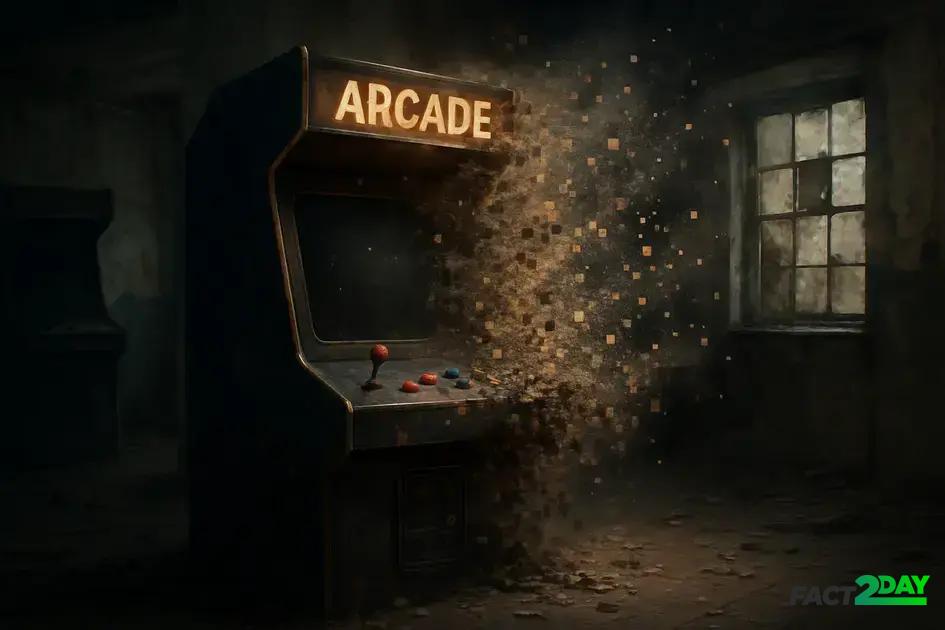
Games That Went Extinct refer to digital titles that are now unplayable or nearly impossible to find due to server shutdowns, licensing issues, technological obsolescence, and lack of preservation efforts.
Have you ever wondered about Games That Went Extinct? Those digital worlds once vibrant and alive but now lost or nearly impossible to find. Let’s explore why this happens and what it means for players like you.
why some games become extinct
Many games become extinct due to various factors that affect their long-term availability. One major reason is the dependence on online servers. When these servers are shut down, multiplayer and online features become unusable, often rendering the game unplayable. This is common with games that rely heavily on internet connectivity.
Another cause is licensing issues. Some games use licensed content such as music, characters, or brands, and when the licenses expire, publishers may no longer distribute or support the game. This legally restricts access and leads to the game’s disappearance from digital stores.
Technological obsolescence also plays a big role. Older games made for outdated hardware or operating systems can become incompatible with modern devices, making it difficult or impossible to run them without emulation or special software.
Furthermore, publisher decisions impact extinction as well. If a company goes out of business or decides to discontinue support for a game, updates and patches stop, and online features often end.
Preserving Gaming History
Despite these challenges, preserving games has become a focus for enthusiasts and archivists, who work to keep their legacy alive through backups, emulators, and community servers.
the impact of digital decay on gaming
Digital decay refers to the gradual loss or degradation of digital content over time, and it has a significant impact on gaming. Many games suffer when their supporting servers, files, or formats become corrupted, obsolete, or unsupported.
One key issue is that digital files can become corrupted or lost due to hardware failures, software updates, or accidental deletions. This can make it impossible to access the game or cause errors during gameplay. Unlike physical copies, digital-only games rely on constant maintenance.
Server Shutdowns and Online Features
Online games are particularly vulnerable to digital decay. When companies shut down servers for older games, online multiplayer and social features disappear. This often leaves single-player modes incomplete or diminishes the overall experience.
Moreover, game platforms and stores may remove older titles to make room for new releases. This limits availability and can cause games to vanish from the market entirely.
The Challenges of Compatibility
As technology advances, older games often become incompatible with new operating systems or hardware. This leads to difficulties in running or installing the game, which contributes to a form of digital decay by making them inaccessible to modern audiences.
Efforts like emulators and fan-made patches try to combat these challenges, but they require technical knowledge and may not fully restore the original gaming experience.
rare and lost games worth remembering
There are many rare and lost games that hold special value for gamers and collectors. These games, often limited in production or distribution, become treasures because of their scarcity or cultural significance.
Some rare games were released only in specific regions or on outdated platforms, making them hard to find today. Others were pulled from stores due to licensing issues or controversies, which contributes to their rarity.
Examples of Rare and Lost Games
One famous example is “EarthBound” for the Super Nintendo, which was not widely available at launch but gained a devoted fanbase later. Another is “Panzer Dragoon Saga,” a cult classic with a limited print run on the Sega Saturn, making physical copies highly sought after.
Lost games include titles like “Star Wars 1313,” which was canceled during development, and “Silent Hills,” a highly anticipated horror game that never reached release, leaving fans with only demos or prototype footage.
Why Remember These Games?
Remembering rare or lost games is important because they often pushed boundaries in gameplay, storytelling, or graphics. They represent unique moments in gaming history and inspire future developers.
Collectors and preservationists often work hard to find, archive, and share these games, ensuring their legacy endures despite their elusive nature.
challenges in preserving digital games
Preserving digital games comes with unique challenges that make it difficult to keep them accessible over time. One major hurdle is technological obsolescence. As hardware and software evolve, older games may become incompatible with new systems.
Licensing and Legal Issues
Many games include licensed content, such as music or characters, which can restrict preservation efforts. When licenses expire, it often becomes illegal or complicated to distribute or archive these games.
Server Dependencies
Online games rely on servers to function. Once these servers shut down, key parts of the game become inaccessible or unusable. Preserving these experiences requires community-run servers or official intervention.
Technical Difficulties
Games stored digitally can suffer from file corruption or data loss, especially if not backed up properly. Emulating old hardware is also a technical challenge, requiring detailed knowledge to recreate original game behavior accurately.
Resource Limitations
Preservation requires funding, expertise, and time. Many archival projects depend on volunteers and limited budgets, which hampers large-scale preservation efforts.
Despite these difficulties, preserving digital games is essential for maintaining cultural history and ensuring future generations can experience classic titles.
how communities revive extinct games
Communities play a vital role in reviving extinct games by preserving, restoring, and sharing them with fans old and new. When official support disappears, passionate gamers often step in to keep these titles alive.
Fan Patches and Mods
One common way communities revive games is through fan-made patches and mods. These can fix bugs, update graphics, or even translate content, making the game playable again on modern systems.
Emulators and Custom Servers
Emulators allow players to run games designed for old hardware on current devices. Community-run servers also help restore multiplayer functionality for games whose original servers have shut down.
Archiving and Sharing
Dedicated fans archive game files, manuals, and related media to prevent loss. They often share these resources online, helping others discover and enjoy lost classics.
Community forums and social media are central hubs for collaboration, where knowledge and tools are exchanged freely to support game preservation efforts.
the future of game preservation
The future of game preservation looks promising as technology and awareness improve. New tools and methods are constantly being developed to save games from disappearing.
Advancements in Emulation and Cloud Gaming
Emulators are becoming more accurate and easier to use, allowing older games to run on modern systems seamlessly. Additionally, cloud gaming offers a way to stream classic titles without worrying about hardware compatibility.
Role of Digital Archives
Digital archives are growing, preserving not only game files but also original artwork, manuals, and development notes. These archives help provide a complete historical record and context for games.
Community and Industry Collaboration
Preservation efforts are increasingly collaborative. Developers, publishers, and fans are working together to maintain and re-release classic games, often through remasters or collections.
Legal reforms may also support preservation by easing restrictions on abandoned or unsupported titles, making it easier to keep these games accessible.
Preserving the legacy of games is vital
The journey of games from popular hits to extinct treasures shows how much effort is needed to keep digital history alive. Communities, technology, and legal support all play big roles in saving these games.
As preservation tools improve and awareness grows, more players can enjoy classic titles without fear of them disappearing forever. Keeping these games accessible helps us celebrate the creativity and culture behind them.
In the end, supporting game preservation means protecting our shared digital heritage for future generations to explore and enjoy.