The Emotional Plate: How Specific Foods Can Influence Your Happiness, Focus, and Anxiety Levels
Discover the food & mood connection and how certain foods gently shape your happiness, focus, and ease anxiety for better well-being.
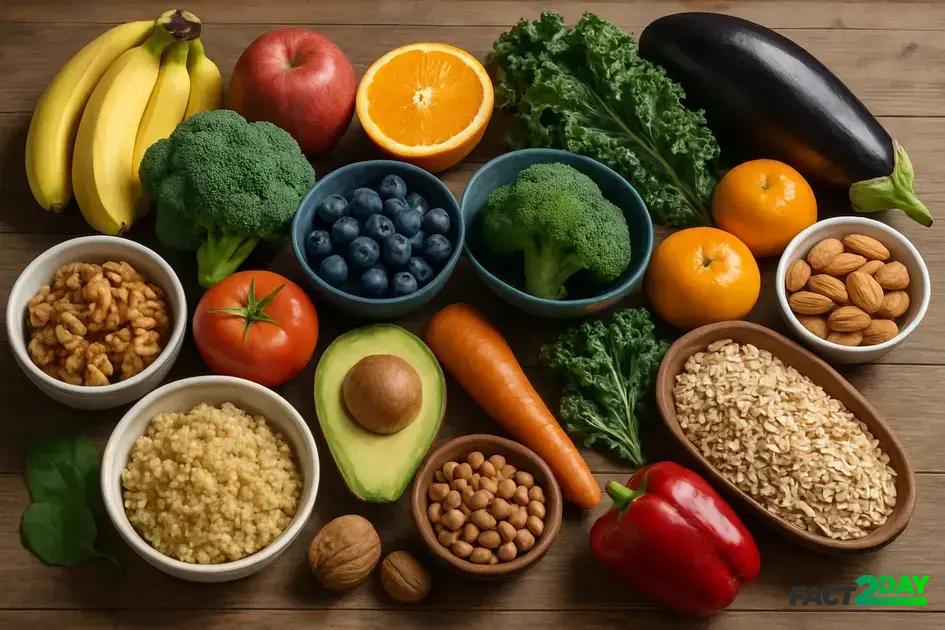
The food & mood connection explains how specific nutrients and dietary choices influence brain chemistry, enhancing happiness, focus, and reducing anxiety by supporting neurotransmitter production and gut health.
Food & Mood Connection is a fascinating journey into how the foods we eat quietly sway our emotions and mental clarity. Ever wondered why certain meals lift your spirits while others leave you uneasy? Let’s explore together this delicate dance between nourishment and feelings.
how food influences brain chemistry and mood
Food directly impacts brain chemistry by providing the nutrients needed for neurotransmitter production, which influences mood and cognitive functions. Neurotransmitters such as serotonin and dopamine regulate feelings of happiness, motivation, and calmness. For instance, foods rich in tryptophan, like turkey and eggs, support serotonin production, improving mood and sleep quality.
Carbohydrates affect the brain’s release of serotonin by increasing the availability of tryptophan. Complex carbs, such as whole grains, promote stable energy and balanced mood without spikes and crashes. On the other hand, excessive sugar intake can lead to rapid mood shifts and fatigue.
Healthy fats, especially omega-3 fatty acids found in fish and flaxseeds, are essential for brain cell structure and function. These fats help reduce inflammation and support communication between brain cells, which may boost focus and reduce symptoms of depression and anxiety.
Gut health also plays a critical role in mood regulation. The gut-brain axis shows how gut bacteria produce neurotransmitters and influence brain function. Probiotics from fermented foods like yogurt and kimchi can enhance this communication, promoting emotional well-being.
In summary, balanced nutrition rich in tryptophan, complex carbohydrates, omega-3 fatty acids, and probiotics creates a positive cycle that enhances brain chemistry and uplifts mood naturally.
nutrients that boost happiness naturally
Certain nutrients play a key role in naturally boosting happiness by supporting brain function and hormone balance. Vitamin D, found in fatty fish and fortified foods, helps regulate mood by influencing serotonin levels. Low vitamin D has been linked to feelings of depression and sadness.
Magnesium is another vital nutrient that calms the nervous system and reduces anxiety. It is abundant in leafy greens, nuts, and seeds. Magnesium deficiency can create irritability and low mood.
B vitamins, especially B6, B9 (folate), and B12, assist in the production of neurotransmitters like serotonin and dopamine. These vitamins are found in whole grains, beans, and animal products. A lack of B vitamins can lead to fatigue and mood swings.
Omega-3 fatty acids, found in fish oils and flaxseeds, are essential for brain health. They reduce inflammation and may improve symptoms of depression by supporting neural communication.
Antioxidants from colorful fruits and vegetables protect brain cells from oxidative stress, preserving cognitive function and emotional resilience. Examples include berries, spinach, and carrots.
Including these nutrients regularly in your diet can create a natural, positive impact on your happiness and emotional well-being.
foods that enhance focus and mental clarity
Certain foods help improve focus and mental clarity by nourishing the brain and supporting healthy blood flow. Blueberries are rich in antioxidants that protect brain cells and improve memory and concentration. Studies have shown that regular consumption of blueberries boosts cognitive performance.
Leafy green vegetables like spinach and kale contain vitamin K, lutein, and beta carotene, which support brain health and may slow cognitive decline. These nutrients help maintain sharp mental functions and overall brain vitality.
Nuts and seeds provide essential fatty acids, antioxidants, and vitamin E – all important for preventing cognitive decline and maintaining clear thinking. Walnuts, in particular, are known for their brain-boosting properties.
Whole grains help regulate blood sugar levels, providing a steady energy supply to the brain. This stability supports sustained focus throughout the day without energy crashes.
Coffee and green tea contain caffeine and antioxidants that can enhance alertness, focus, and mood. Moderate consumption is linked to improved brain function and cognitive performance.
Incorporating these focus-enhancing foods regularly can support more productive and clear-headed days.
dietary choices linked to anxiety reduction
Certain dietary choices can play an important role in reducing anxiety symptoms by supporting brain health and stabilizing mood. Foods rich in magnesium, like spinach, almonds, and black beans, help calm the nervous system and reduce stress. Magnesium deficiency has been linked to increased anxiety.
Complex carbohydrates such as oats, quinoa, and sweet potatoes promote steady blood sugar levels, preventing mood swings and irritability. These stable energy sources can reduce feelings of anxiousness caused by blood sugar drops.
Probiotic-rich foods like yogurt, kefir, and sauerkraut support gut health, which is closely connected to mental well-being through the gut-brain axis. Healthy gut bacteria produce neurotransmitters that help regulate anxiety.
Omega-3 fatty acids found in fatty fish, flaxseeds, and walnuts reduce inflammation and support brain function. They have been shown to decrease anxiety symptoms and promote emotional balance.
Avoiding or limiting stimulants such as caffeine and processed sugars is also important, as they can increase nervousness and anxiety symptoms in sensitive individuals.
Making mindful dietary choices that focus on nutrient-dense, calming foods can support anxiety reduction naturally.
the role of gut health in emotional balance
The gut plays a vital role in emotional balance through the gut-brain axis, a communication network linking the digestive system and the brain. Healthy gut bacteria produce neurotransmitters like serotonin, which directly affect mood and stress levels. In fact, about 90% of serotonin is made in the gut.
Probiotics, found in fermented foods such as yogurt, kimchi, and sauerkraut, help maintain a healthy balance of gut bacteria. These microbes not only aid digestion but also send signals to the brain that can reduce anxiety and improve mood.
Fiber-rich foods like fruits, vegetables, and whole grains provide fuel for good bacteria. This encourages a diverse and thriving gut microbiome, which supports mental clarity and emotional stability.
Inflammation in the gut can negatively impact brain health and increase risks of depression. Avoiding processed foods, excess sugar, and artificial additives helps keep inflammation low and gut function optimal.
Regularly nourishing your gut with the right foods is a simple yet powerful way to support emotional balance and mental well-being.
practical tips to align your diet with your mood
Aligning your diet with your mood involves mindful food choices that support both emotional and physical health. Start by planning balanced meals rich in whole foods like fruits, vegetables, lean proteins, and whole grains. These provide steady energy and essential nutrients for your brain.
Keep a food journal to track how certain foods affect your mood. This practice helps identify triggers or beneficial foods that influence your emotions positively.
Stay hydrated throughout the day as even mild dehydration can affect concentration and mood. Drinking water regularly supports optimal brain function.
Try to incorporate omega-3 rich foods such as salmon, walnuts, or flaxseeds into your meals. These healthy fats help reduce inflammation and promote clearer thinking.
Avoid processed and high-sugar foods that can cause mood swings and energy crashes. Opt for complex carbohydrates instead, which help maintain stable blood sugar levels.
Lastly, practice regular meal times to prevent dips in blood energy that can lead to irritability or anxiety. Setting consistent eating patterns supports emotional balance and focus.
Bringing it all together
Understanding the connection between food and mood is key to improving your emotional well-being. Making smart dietary choices can naturally lift your happiness, boost focus, and reduce anxiety. By paying attention to how different foods affect your brain and mood, you can create a balanced diet that supports mental health every day.
Small changes, like including nutrient-rich foods and maintaining consistent eating habits, can make a big difference. Remember, your plate has the power to influence how you feel and think.
Start experimenting with these tips to see how aligning your diet with your mood improves your overall quality of life.