The Hunger Symphony: How Hormones Like Ghrelin and Leptin Orchestrate Your Appetite
Discover how hormonal hunger regulation shapes your cravings and fullness, guiding your appetite with a natural and rhythmic balance.
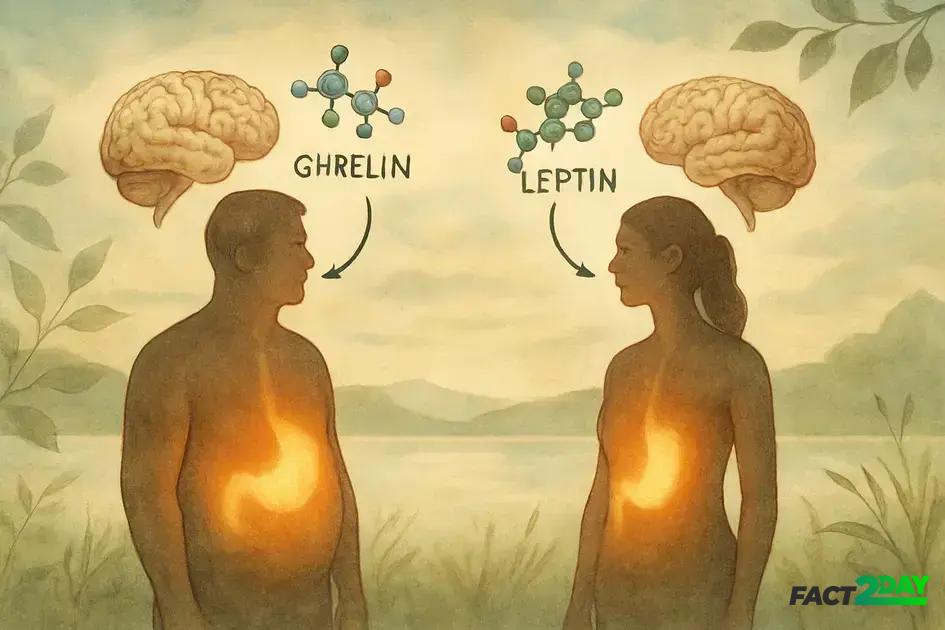
Hormonal hunger regulation involves ghrelin signaling hunger when the stomach is empty and leptin signaling fullness from fat stores, balancing appetite through interactions influenced by diet, sleep, stress, and lifestyle factors.
Have you ever wondered why hunger sometimes hits like a sudden wave? Hormonal hunger regulation is the quiet conductor behind this daily symphony, tuning your appetite through signals from ghrelin and leptin. Let’s explore how these hormones shape your feelings of hunger and fullness, inviting you to listen more closely to your body’s natural cues.
understanding hormonal hunger regulation
Hormonal hunger regulation is the process where your body uses hormones to control when you feel hungry or full. Two key hormones involved are ghrelin and leptin, which work as messengers between your stomach, fat cells, and brain. Ghrelin signals your brain that it’s time to eat by increasing appetite. It rises before meals and falls after eating. On the other hand, leptin is released by fat cells and tells your brain when you are full, helping to reduce food intake.
When these hormones are balanced, they create a natural rhythm that guides your eating habits. However, if the balance is disrupted, it can lead to overeating or loss of appetite. Factors like stress, sleep, and diet can affect how these hormones work, impacting your hunger signals.
The role of ghrelin and leptin
Ghrelin is often called the “hunger hormone” because it stimulates appetite. Its levels rise in your bloodstream before meals, encouraging you to seek food. When you eat, ghrelin levels drop, helping to pause hunger. Leptin, known as the “satiety hormone,” provides feedback on your energy stores by signaling fullness. It decreases appetite by acting on receptors in the brain.
Understanding this hormonal communication helps explain why sometimes your appetite feels intense, or why you may not feel hungry even after skipping a meal. Maintaining a healthy lifestyle supports proper hormonal hunger regulation, allowing your body to send clear hunger and fullness signals.
the role of ghrelin in signaling hunger
Ghrelin is a hormone mainly produced in the stomach, often called the “hunger hormone” because it plays a crucial role in stimulating appetite. When your stomach is empty, ghrelin levels rise, sending signals to your brain to create the feeling of hunger. This hormone prepares your body to eat by increasing appetite and promoting food intake.
Ghrelin levels typically increase before meals and decrease after eating, helping to regulate your meal timing. It acts on the hypothalamus, the part of the brain that controls hunger, encouraging you to seek food. Besides stimulating appetite, ghrelin also influences energy balance and fat storage, affecting how your body uses and stores energy.
How ghrelin affects your daily hunger
Many factors can influence ghrelin levels, including stress, sleep patterns, and diet. For example, when you don’t get enough sleep, ghrelin levels can increase, leading to stronger hunger and cravings. High ghrelin may also explain why people feel a strong urge to eat when they are stressed or emotionally upset.
Understanding ghrelin’s role can help you recognize why you feel hungry at certain times and how your body naturally signals food needs. Managing factors like sleep and stress can help balance ghrelin levels and support healthier eating habits, reducing overeating driven by hormonal signals rather than true hunger.
how leptin communicates fullness
Leptin is a hormone produced by fat cells that helps regulate energy balance by signaling fullness to the brain. After you eat, leptin levels rise and send messages to the hypothalamus, telling your body it has enough energy stored. This reduces appetite and encourages your body to burn calories, helping to control body weight.
Leptin acts as a satiety hormone, meaning it helps tell your brain when to stop eating. Higher fat stores usually increase leptin levels, indicating your body’s sufficient energy supply. However, in some cases, people can develop leptin resistance, where the brain no longer responds properly to leptin signals, which may lead to overeating and weight gain.
The leptin signaling process
Once released, leptin crosses the blood-brain barrier and binds to receptors in the hypothalamus. This triggers a cascade of signals that decrease hunger and increase energy expenditure. Healthy leptin signaling is essential for maintaining normal appetite control and body weight regulation.
Factors such as sleep quality, inflammation, and diet can affect leptin function. Ensuring good lifestyle habits can help support proper leptin communication, helping you feel full and satisfied after meals and preventing excess calorie intake.
interactions between ghrelin and leptin
Ghrelin and leptin are two key hormones that work together to regulate hunger and fullness. Ghrelin signals your brain to increase appetite when your stomach is empty, while leptin tells your brain you have enough energy stored and helps reduce appetite. Their interaction keeps your body’s eating habits in balance.
When ghrelin levels rise, you feel hungry and motivated to seek food. After eating, leptin levels increase and send signals that reduce hunger. This push-and-pull helps your body manage food intake and energy use effectively.
How imbalances affect appetite
If ghrelin and leptin signals get disrupted, it can lead to problems with hunger control. For example, high ghrelin levels alongside leptin resistance may cause overeating and weight gain because the brain does not receive clear “full” signals. Stress, poor sleep, and unhealthy diets can worsen this imbalance.
Understanding the balance between these hormones helps explain why you might sometimes feel overly hungry or never feel full. Supporting healthy hormone function through good habits like regular sleep, balanced meals, and stress management can improve this hormonal interplay, guiding you toward better appetite control.
impact of stress and sleep on hunger hormones
Stress and sleep play major roles in regulating hunger hormones like ghrelin and leptin. When you are stressed, your body releases more ghrelin, increasing feelings of hunger. At the same time, stress can lower leptin levels, which means your brain gets fewer signals that you are full. This combination can cause you to eat more, often craving high-calorie, comfort foods.
Poor sleep also disrupts hunger hormones. Lack of restful sleep causes ghrelin levels to rise and leptin levels to fall. This imbalance makes you feel hungrier and less satisfied after eating. Studies show that people who don’t get enough sleep tend to consume more calories and have a higher risk of weight gain.
Managing stress and sleep to help hunger hormones
Improving sleep quality by setting a regular bedtime and creating a calm environment can help balance hunger hormones. Relaxation techniques such as deep breathing, meditation, or light exercise can reduce stress and lower ghrelin levels. Keeping hormones in balance supports healthy appetite control and helps prevent overeating caused by emotional or hormonal triggers.
practical tips to support hormonal balance
Maintaining hormonal balance is key to controlling hunger and appetite naturally. Start by eating regular, balanced meals rich in protein, healthy fats, and fiber. These nutrients help stabilize blood sugar and support steady hormone release.
Getting enough sleep each night is essential because sleep affects hormones like ghrelin and leptin. Aim for 7-9 hours of quality rest to help regulate appetite and reduce cravings.
Stress management and physical activity
Managing stress through relaxation techniques such as meditation, deep breathing, or yoga can lower cortisol and ghrelin levels, helping control emotional eating. Regular exercise also promotes hormonal balance by improving insulin sensitivity and encouraging healthy weight regulation.
Limiting processed foods and sugary drinks reduces inflammation and helps keep hormones functioning well. Drinking plenty of water supports metabolism and hormone transport throughout the body.
Consistency in lifestyle choices strengthens your body’s natural hormonal rhythm, making hunger cues more reliable and easier to follow. Small daily habits create powerful results in balancing your appetite and improving overall well-being.
how diet influences your hunger hormones
Your diet has a strong influence on hunger hormones like ghrelin and leptin. Eating foods high in sugar and refined carbs can cause ghrelin levels to spike quickly, leading to rapid hunger and cravings. Conversely, balanced meals rich in protein, fiber, and healthy fats help keep ghrelin levels steady and prevent overeating.
Protein is especially important because it increases the production of hormones that make you feel full, while lowering ghrelin. Fiber slows digestion and helps control blood sugar, which supports balanced hormone release.
Impact of meal timing and quality
Regular meal timing also affects hunger hormones. Skipping meals or irregular eating can cause ghrelin to rise abnormally, resulting in increased hunger and the tendency to overeat later. Choosing whole, nutrient-dense foods helps leptin work better by reducing inflammation and improving fat cell function.
Drinking enough water supports hormone transport and metabolism, while limiting processed foods and excess calories prevents hormone disruption. A diet focused on natural, whole foods promotes healthier hormonal signals, helping your body maintain better appetite control and energy balance.
Understanding your body’s hunger signals
Hormones like ghrelin and leptin work together to control your appetite in a delicate balance. Knowing how they function helps you listen to your body’s true hunger and fullness cues.
Small changes in sleep, stress management, diet, and lifestyle can support healthy hormone levels and improve appetite control. These habits make it easier to maintain a balanced diet and a healthy weight without feeling deprived.
By paying attention to hormonal hunger regulation, you can create a natural rhythm with your eating habits that supports overall well-being and energy balance.