The Rainbow on Your Plate: Debunking Myths About Food Colors and Their Real Health Impact
Food color health myths often cloud our judgment about what's truly good for us. Explore the facts and rediscover the real impact of food colors on wellbeing.
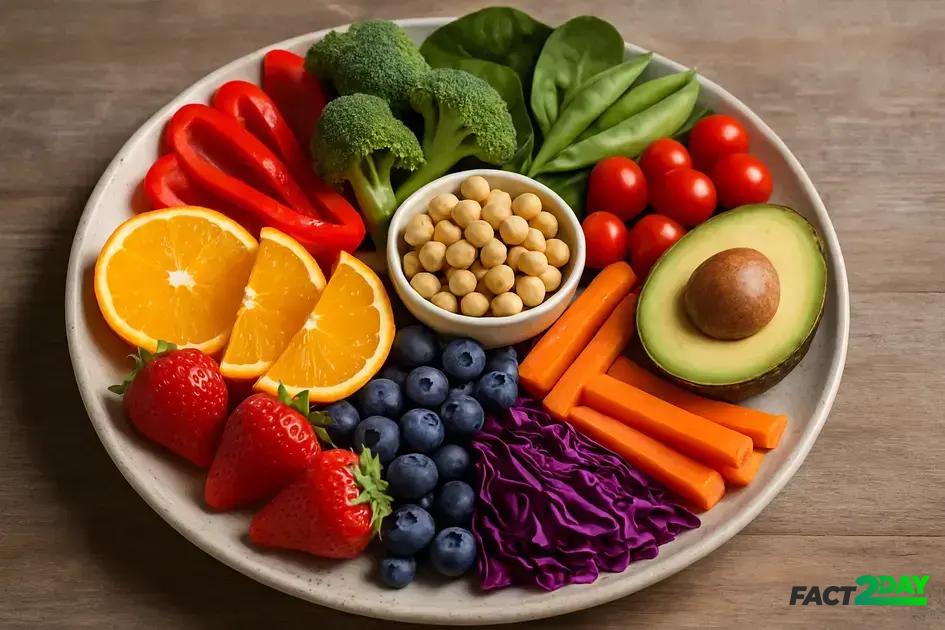
Food Color Health Myths involve misunderstandings about natural and artificial food colors, their safety, and their real impact on health, with scientific evidence showing most approved additives are safe and natural colors offering nutritional benefits.
Food Color Health Myths can be surprisingly persistent. Have you ever wondered why vibrant foods seem either so healthy or so suspect? Let’s unravel the stories behind food colors and what they really mean for your health.
understanding natural vs artificial food colors
Food colors come from two main sources: natural and artificial. Natural food colors are derived from plants, fruits, vegetables, and sometimes minerals. Examples include beet juice, turmeric, and spinach extract, which add color while often contributing nutrients and antioxidants.
Artificial food colors, on the other hand, are synthetic dyes created through chemical processes. They are widely used in processed foods for their vibrant, consistent hues and longer shelf life. However, concerns often arise about their safety and health effects.
Key Differences Between Natural and Artificial Food Colors
- Source: Natural colors are obtained from real food sources; artificial colors are man-made.
- Health Impact: Natural colors usually offer nutritional benefits; artificial colors have been linked to allergies and behavioral issues in some sensitive individuals.
- Stability: Artificial colors tend to be more stable under heat and light, making them popular in processed foods.
Understanding where your food’s color comes from helps make informed choices. Choosing natural colors can mean fewer additives, while knowing when artificial colors are present can guide sensitive individuals to avoid them.
Awareness of these differences is a crucial step in decoding food labels and deciding what to eat for healthier living.
common myths about food colors and health
Many misconceptions surround food colors and their effects on health. One common myth is that all artificial food colors are toxic and cause serious health problems. While some individuals may experience sensitivities, most artificial colors approved by food safety authorities are considered safe for the general population.
Another popular belief is that natural food colors are always better or healthier than artificial ones. However, natural does not always mean safe, as some natural additives can trigger allergies or cause digestive issues for sensitive people.
Addressing Popular Food Color Myths
- Myth 1: Food colors cause hyperactivity in children. Research shows that only a small subset of children are sensitive, and diet should be one of many factors considered.
- Myth 2: Synthetic colors are banned in most countries. In reality, regulations vary, and many synthetic dyes are widely used globally under strict quality controls.
- Myth 3: Eating colorful foods with added dyes is unhealthy. Colorful natural fruits and vegetables provide essential nutrients regardless of natural or added colors.
Understanding the facts helps consumers make better choices without fear or confusion. Always read labels and consult trusted sources to get reliable information about food colors and health.
how food color affects our perception and choices
Food color is a powerful influencer on how we perceive taste and quality, even before taking a bite. Bright and appealing colors can make food look fresher, tastier, or healthier, while dull or off-colors may lead to the opposite impression. This effect happens because our brains associate certain colors with specific flavors or freshness.
Color impacts appetite and choice. For example, red often signals ripeness and sweetness, making fruits like strawberries or tomatoes more appealing. Yellow and orange hues can suggest tanginess and energy, commonly linked to citrus fruits. On the other hand, unnatural or overly bright colors in processed foods might trigger skepticism or curiosity, affecting purchase decisions.
The role of packaging and marketing
Marketers use food colors strategically to attract attention and evoke emotions. Packaging with vibrant colors can increase the likelihood of a consumer picking that product off the shelf. This psychological connection between color and expectation can influence taste perception too, sometimes making food seem sweeter or fresher than it actually is.
Understanding how food color shapes our choices helps us become more aware consumers. It can guide us to look beyond visual appeal and consider actual nutritional value and ingredients.
scientific insights on food color additives
Food color additives are substances added to food to enhance or restore color, helping make products more appealing. Scientific studies have explored their safety, metabolism, and effects on health. Regulatory agencies like the FDA and EFSA evaluate these additives rigorously before approval, ensuring they meet strict safety standards.
Research shows that most approved food color additives are safe at the levels used in foods. However, some studies have examined potential links between certain synthetic dyes and allergic reactions or behavioral changes in sensitive individuals, such as children with hyperactivity.
How food color additives are tested
Food color additives undergo multiple tests, including toxicity, carcinogenicity, and allergenicity assessments. These tests often involve animal studies followed by human safety evaluations. Regulatory bodies also monitor post-market data to detect any adverse effects reported after widespread use.
The acceptable daily intake (ADI) is a key concept defining the maximum safe amount a person can consume each day over a lifetime without harm. Food manufacturers are required to keep additive levels well below this limit.
Continuous scientific review and updated research help authorities ensure food color additives remain safe and help inform consumers. Being aware of this process can build trust and clear doubts about the safety of food colors in our diets.
tips for choosing colorful foods wisely
Choosing colorful foods wisely means focusing on variety and quality to gain maximum nutritional benefits. Brightly colored fruits and vegetables often contain vital nutrients like vitamins, minerals, and antioxidants that support overall health.
Focus on whole, unprocessed foods
Opt for fresh or minimally processed colorful foods such as berries, carrots, spinach, and bell peppers. These natural sources are packed with nutrients and free from added artificial colors or chemicals.
Read labels carefully
When buying packaged foods, check ingredient lists for artificial color additives. Choosing products with natural colorings or no added dyes is a safer option to avoid unnecessary synthetic ingredients.
Balance and moderation
While colorful foods are beneficial, balance your diet with a mix of colors to cover different nutrient needs. Avoid relying heavily on brightly colored processed snacks, as they may contain high sugar or unhealthy fats.
Incorporating diverse colors like purple from eggplants, red from tomatoes, and orange from sweet potatoes ensures a wide range of antioxidants and phytochemicals helping your body stay healthy.
the cultural significance of food colors
Colors have deep cultural meanings that influence how food is prepared, served, and enjoyed around the world. Different cultures associate specific colors with emotions, celebrations, and traditions. For instance, red often symbolizes luck and prosperity in many Asian cultures, making red foods popular during festivals.
In some cultures, yellow foods like turmeric and saffron hold religious or healing significance. Meanwhile, green is tied to freshness and growth, commonly celebrated in foods during springtime events.
Symbolism and rituals
Food colors can represent more than taste—they convey meaning. In Mexico, colorful dishes like mole poblano tell stories of heritage and history. In India, vibrant food colors are central to rituals and ceremonies, connecting people through shared experiences.
Understanding the cultural significance of food colors enriches our appreciation for diverse cuisines. It highlights how food goes beyond nourishment, serving as a bridge between culture, identity, and tradition.
Understanding food colors and their real impact on health
Food colors play a big role in what we eat and how we feel about our food. Knowing the difference between natural and artificial colors, and separating myths from facts, helps us make smarter choices.
Scientific research continues to ensure food color additives are safe, while being aware of cultural meanings adds richness to our food experience. By choosing colorful foods wisely, we get both nutrition and enjoyment from our meals.
Being informed about food colors guides us towards healthier eating habits without fear or confusion. Remember, the rainbow on your plate is more than just pretty—it’s part of your wellbeing.