Your Ever-Changing Palate: The Surprising Life Cycle and Regeneration of Your Taste Buds
Taste Bud Regeneration unlocks the mystery behind how your palate evolves, refreshing your flavor experience over time.
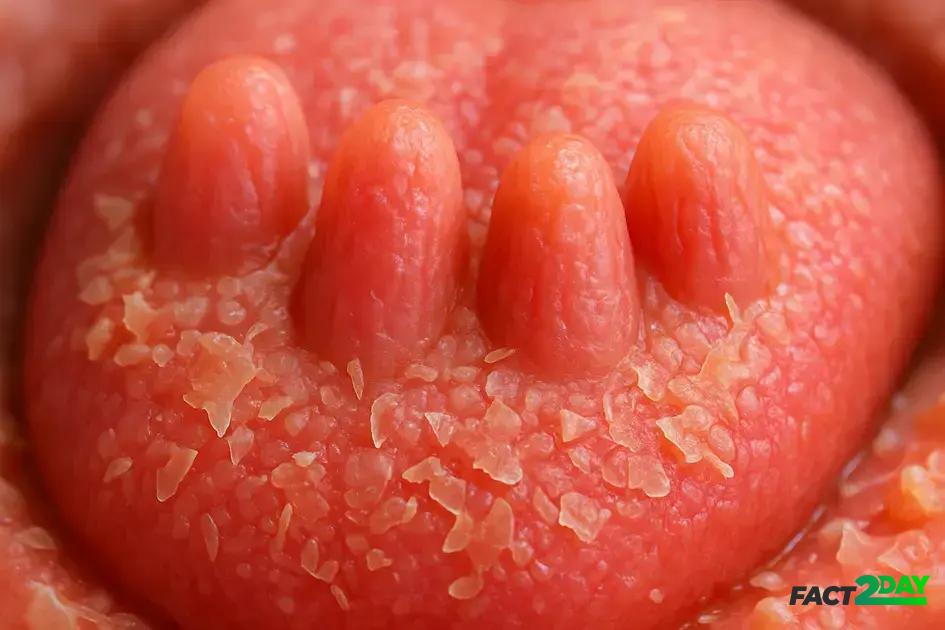
Taste Bud Regeneration is the natural process where specialized stem cells renew damaged taste receptor cells every 10 to 14 days, maintaining flavor sensitivity and adapting the palate throughout life.
Have you ever wondered why your sense of taste seems to shift over time? Taste Bud Regeneration offers a fascinating glimpse into how our palate is constantly renewing itself, shaping the flavors we experience day by day.
The biology of taste buds and their short lifespan
Taste buds are tiny sensory organs located on your tongue and other parts of your mouth. Each taste bud contains around 50 to 100 specialized cells that detect different flavors such as sweet, salty, sour, bitter, and umami. These cells communicate with your brain to help you recognize and enjoy various tastes.
Interestingly, taste buds have a very short lifespan, typically lasting about 10 to 14 days. This rapid turnover is because the cells are exposed to harsh conditions in the mouth, including heat, acidity, and mechanical wear from chewing. To maintain your ability to taste, new taste bud cells are constantly created to replace the old ones.
This biological cycle ensures that your palate is regularly refreshed, helping you adapt to changing food preferences and keeping your sensory experience sharp.
The life cycle of taste bud cells involves different stages, including cell growth, maturation, function, and eventual shedding. Stem cells inside the tongue play a crucial role in regenerating these taste receptor cells, highlighting the dynamic aspect of our sensory system.
How taste buds regenerate and why it matters
Taste buds regenerate through a dynamic renewal process that allows the mouth to maintain its ability to detect flavors. Specialized stem cells within the tongue continuously divide and develop into new taste receptor cells. This regeneration typically completes within 10 to 14 days, maintaining a fresh and responsive palate.
This process is essential because taste cells are frequently damaged by exposure to food, drinks, and environmental factors. Without regeneration, taste sensitivity would diminish, making eating less enjoyable and possibly affecting nutrition.
The regeneration cycle begins when basal cells near taste buds activate and differentiate into mature taste receptor cells. These new cells then migrate to replace old or damaged ones. The life cycle ensures that your taste sensations stay sharp and adaptable.
Understanding this process is important for recognizing how health conditions, medications, or aging might disrupt taste bud renewal, leading to changes in taste perception. Supporting natural regeneration through good oral hygiene, balanced nutrition, and avoiding harmful substances helps keep your palate vibrant over time.
Factors affecting the health and regeneration of taste buds
The health and regeneration of taste buds can be influenced by several key factors that affect how well your palate functions.
Nutrition and diet
A balanced diet rich in vitamins and minerals plays a crucial role in maintaining healthy taste buds. Deficiencies in nutrients like zinc and vitamin B12 can impair taste perception and slow down regeneration.
Hydration and oral hygiene
Keeping your mouth hydrated and practicing good oral hygiene helps protect taste buds from damage caused by dryness, infections, or harmful bacteria.
Age and lifestyle
As we age, the ability of taste buds to regenerate naturally declines. Smoking, excessive alcohol consumption, and certain medications can also harm taste bud health, reducing sensitivity.
Medical conditions and treatments
Certain illnesses, such as diabetes or infections, and treatments like chemotherapy can damage taste buds or interfere with their normal renewal cycle, leading to altered taste.
Environmental factors
Exposure to pollutants or toxic substances in the environment can negatively affect taste cell health, slowing regeneration and impacting taste perception.
Understanding these factors can help you take appropriate steps to protect your taste buds and support their natural ability to regenerate, keeping your palate fresh and responsive.
The impact of aging on taste bud renewal
As we age, the natural renewal process of taste buds slows down significantly. Older adults often experience a decreased number of taste buds, which can reduce their ability to detect flavors effectively. This change can make food less enjoyable and impact appetite and nutrition.
The slower regeneration is linked to reduced stem cell activity in the tongue, leading to delayed replacement of damaged or dead taste receptor cells. Additionally, the existing taste buds may become less sensitive to chemical signals that communicate taste to the brain.
Why does aging affect taste buds?
Over time, factors such as decreased circulation, cellular damage, and changes in the oral environment contribute to this decline. Medications commonly taken by older adults can also interfere with taste sensation and regeneration.
This age-related reduction in taste function may cause some individuals to seek stronger flavors or more salt and sugar, which could affect their overall health.
Despite these challenges, maintaining good oral hygiene and a balanced diet can help support taste bud health as we age.
Ways to support your palate’s natural regeneration
Supporting your palate’s natural regeneration is key to maintaining a healthy sense of taste. Good nutrition plays a vital role; foods rich in vitamins A, B12, C, and zinc help repair and nourish taste buds. Staying hydrated also keeps the mouth moist and promotes cell renewal.
Healthy lifestyle habits
Avoiding smoking and limiting alcohol helps protect taste buds from damage. Both substances can impede regeneration and dull taste sensitivity over time.
Oral hygiene
Regular brushing, flossing, and tongue cleaning reduce harmful bacteria that can injure taste buds. Using mouthwash with natural ingredients may also support a balanced mouth environment.
Manage medical conditions
Certain illnesses like diabetes can affect taste bud health. Following medical advice and managing underlying conditions can help preserve your palate’s function.
Avoiding excessive spicy or acidic foods can prevent irritation and allow taste buds time to regenerate properly.
Incorporating these habits into your routine supports your taste buds’ ability to renew, keeping your palate fresh and responsive.
Taste changes as a reflection of overall health
The way your taste changes can tell a lot about your overall health. Taste changes may signal infections, nutritional deficiencies, or even more serious conditions like diabetes or neurological disorders. When your sense of taste weakens or alters, it often reflects underlying health issues that affect taste bud function or nerve signaling.
Common health factors affecting taste
Illnesses such as colds, flu, or sinus infections can temporarily reduce taste sensitivity by blocking the nose and mouth passages. Nutrient shortages, especially in zinc or vitamin B12, can also dull your taste perception.
Medications and treatments
Many medicines, including antibiotics, antihistamines, and chemotherapy drugs, have side effects that impact taste. These impacts usually reverse once treatment ends but can cause long-term changes in some cases.
Neurological and systemic conditions
Disorders like Alzheimer’s disease, Parkinson’s, and diabetes often involve changes in taste sensation. These conditions affect how taste information is processed in the brain or the health of taste buds themselves.
Monitoring changes in taste can be a valuable tool for early detection of health problems. If you notice significant or lasting taste shifts, consulting a healthcare provider can help identify and address potential causes to maintain both your palate and overall wellbeing.
Understanding your taste buds and their changes
Your taste buds play an important role not only in enjoying food but also in signaling your overall health. They naturally regenerate, but factors like aging, diet, and health conditions can affect this process.
By supporting your palate through good habits and paying attention to changes in taste, you can keep your senses sharp and your body healthier. If you notice lasting changes, consulting a healthcare provider can help address any underlying issues early on.
Overall, knowing how your taste buds work and change empowers you to take better care of your palate and enjoy a vibrant sense of taste throughout your life.