The Science of Survival: Ingenious Ancient Methods of Food Preservation That Still Work
Explore ancient food storage techniques that still protect nourishment today. Discover how these timeless methods connect us to survival wisdom.
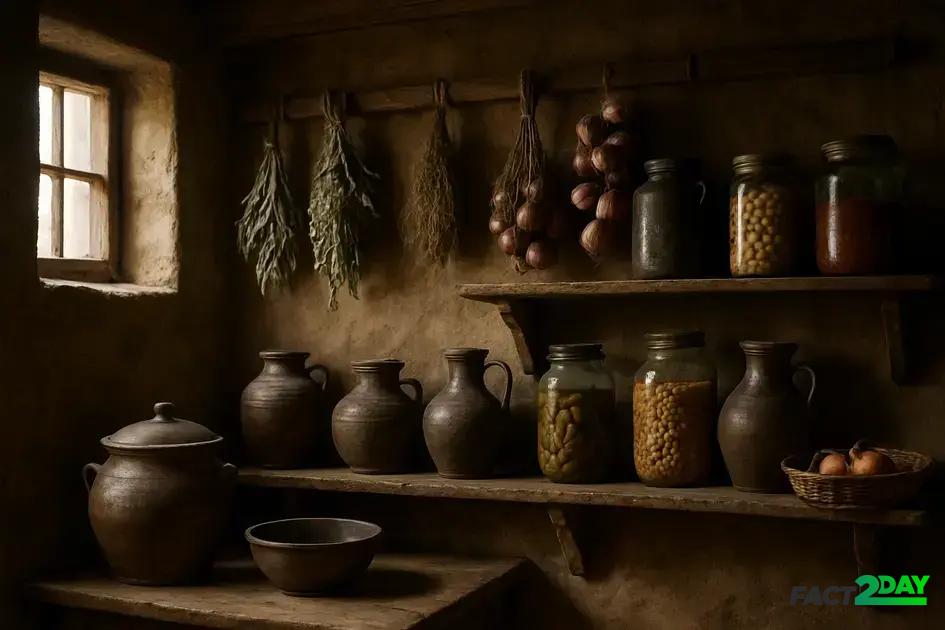
Food storage ancient methods like drying, smoking, fermentation, salting, and cold storage use natural processes to preserve food by reducing moisture and inhibiting bacteria, techniques that remain effective for survival and sustainable living today.
Have you ever wondered how humans managed to keep food fresh long before refrigerators? The secrets hidden in Food Storage Ancient methods reveal simple, effective ways survival was ensured. Journey with me as we uncover these ingenious techniques still inspiring us today.
understanding ancient food storage techniques
Ancient food storage techniques rely on resourcefulness and deep knowledge of natural processes. Early humans used methods like drying, salting, smoking, and fermenting to extend food life without modern technology. These methods rely on reducing moisture, inhibiting bacteria growth, and creating conditions unfavorable for spoilage.
Drying is one of the oldest and simplest methods. By exposing food to sun or air, moisture evaporates, preventing bacteria and mold. This technique was common for fruits, meats, and herbs.
Salting draws water out of food cells using salt, creating an environment hostile to spoilage organisms. It works well for preserving fish, meats, and even some vegetables.
Smoking combines drying with chemical preservation. Smoke deposits antimicrobial compounds on food surfaces while drying it. This method was widely used for meat and fish.
Fermentation uses beneficial bacteria or yeasts to change food chemistry, producing acids or alcohol that ward off harmful microbes. Examples include pickles, yogurt, and fermented grains.
These ancient techniques share a key principle: controlling moisture and microbial activity. Understanding these basic concepts helps appreciate the ingenuity behind early food preservation and how it shaped human survival.
the role of natural elements in preservation
Natural elements like sun, air, salt, and cold played a crucial role in ancient food preservation. These resources were easily accessible and formed the foundation for many preservation techniques that helped prevent spoilage and maintain nutrition.
The sun was used for drying fruits, vegetables, and meats. Its heat evaporates moisture, which inhibits the growth of bacteria and mold. This method was simple yet effective, especially in dry climates.
Airflow also contributed to preservation. By hanging foods in well-ventilated areas, moisture could escape and spoilage was slowed. This practice was common for curing meats and drying herbs.
Salt stands out as an ancient preservative that drew moisture out of food through osmosis, creating an environment hostile to bacteria. Salt was valuable and sometimes even used as currency, demonstrating its importance in food security.
Cold temperatures from natural ice or cool caves helped slow down bacterial activity. Ancient people stored perishables in cool places or packed them in snow to extend shelf life.
These natural elements worked together with human ingenuity to make food last longer without modern devices, showcasing the power of the environment as a preservation ally.
traditional drying and smoking methods
Traditional drying and smoking are among the oldest methods humans used to preserve food. These techniques effectively remove moisture, which bacteria and mold need to grow.
Drying involves exposing food to air and sunlight until it becomes dehydrated. This method was widely used for fruits, vegetables, herbs, and lean meats. It is simple but powerful—once dried, food becomes lightweight, less perishable, and easy to store.
Smoking combines drying with the chemical effects of smoke. When food is hung over or near fires, smoke particles coat its surface, depositing compounds that slow microbial growth. This method also adds flavor and color to meats and fish.
Cold smoking dries food at lower temperatures, mainly for flavor enhancement, while hot smoking cooks and preserves simultaneously by applying heat.
Both methods required specialized knowledge of timing and conditions to prevent spoilage. They were essential to hunters, fishers, and early farmers to store surplus food for lean times and long journeys. Modern food industry still uses variations of these ancient techniques as natural and flavorful preservation options.
fermentation: ancient science and benefits
Fermentation is an ancient food preservation technique that transforms foods through the action of natural bacteria and yeasts. This process not only prevents spoilage but also enhances flavor and nutritional value.
How fermentation works: Beneficial microbes consume sugars in food and produce acids, alcohol, or gases, creating an environment unsuitable for harmful bacteria. This natural preservation method was widely used for vegetables, dairy, grains, and beverages.
Examples of fermented foods include sauerkraut, kimchi, yogurt, and sourdough bread. These products often have increased vitamins, probiotics, and improved digestibility compared to their fresh counterparts.
Fermentation requires controlling temperature, humidity, and timing. Ancient cultures perfected specific recipes suited to local ingredients and climates. Today, fermentation remains popular for its health benefits and natural preservation qualities.
Using fermentation connects us to a time-tested science that sustained civilizations long before refrigeration existed.
using cold and ice in early food storage
Cold and ice were vital natural resources used in early food storage to slow down decay. Ancient peoples discovered that lower temperatures reduce the activity of bacteria and enzymes that cause food to spoil.
Winter freezing allowed them to store meat, fish, and dairy for months. Cold storage was achieved by packing food in snow, ice, or cool caves.
Icehouses or pits insulated with straw and earth helped keep ice frozen even in warmer seasons. These spaces protected perishables by maintaining a consistently low temperature.
In some regions, frozen rivers or lakes became natural refrigerators during cold months, enabling storage and transport of food across distances.
These methods required careful planning and use of environmental features, demonstrating how crucial temperature control was in ancient food preservation.
lessons from the past for modern survival
Ancient food preservation methods offer valuable lessons for modern survival. They teach us to make the most of natural resources without relying solely on technology.
Using natural processes like drying, smoking, fermentation, and cold storage can reduce waste and increase self-sufficiency. These techniques require simple tools and knowledge that anyone can learn.
Resourcefulness and preparation were key to ensuring food supply year-round. Planning ahead by preserving seasonal harvests or surplus hunting yields gave ancient communities stability during harsh times.
Today, adapting these time-tested methods can improve emergency preparedness and support sustainable living. For example, fermenting vegetables enhances nutrition while preserving them, and drying meat provides protein stores without refrigeration.
Reconnecting with these skills also fosters a deeper respect for food and nature’s cycles, reminding us that survival depends on understanding and working with the environment.
Embracing ancient methods for modern success
Ancient food storage techniques reveal how our ancestors relied on nature and ingenuity to preserve their food and survive tough times. These methods are easy to learn and use, making them valuable even today.
By understanding drying, smoking, fermenting, and cold storage, we can reduce waste and prepare better for emergencies. These time-tested approaches connect us with the environment and promote sustainable living.
Bringing the wisdom of the past into our present lives can help us build resilience and enjoy flavorful, nutritious food. Rediscovering these age-old methods is not just about survival—it’s about thriving in harmony with nature.