The Future on Your Plate: Why Edible Insects Are a Superfood and Sustainability Solution
Discover how edible insects health benefits offer a sustainable, nutrient-rich alternative shaping the future of our plates and planet.
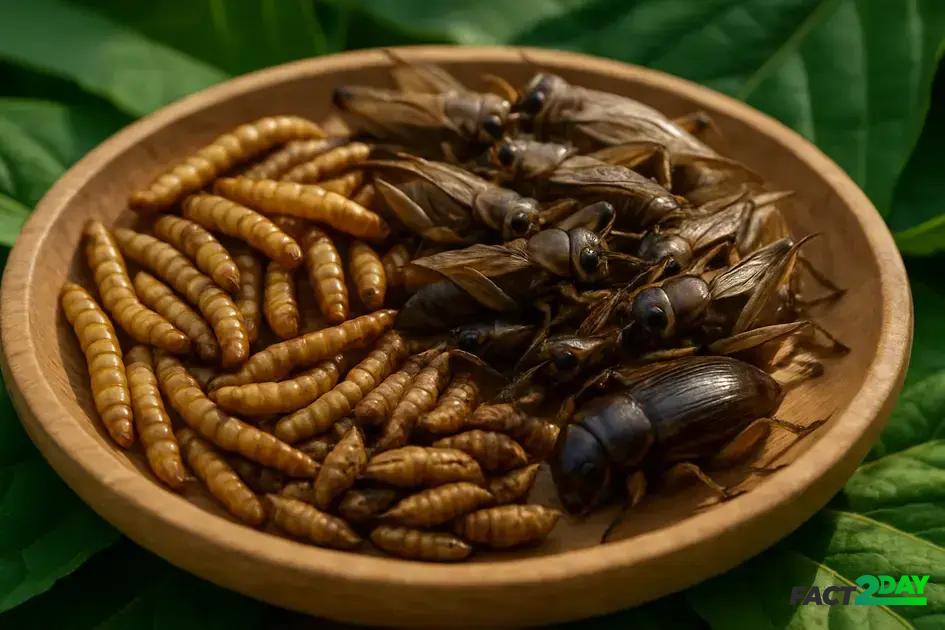
Edible insects health benefits include high-quality protein, essential vitamins, minerals, and healthy fats, with a low environmental impact that supports sustainable nutrition and global food security.
Edible insects health benefits are quietly gaining attention as a promising solution for sustainable nutrition. Have you ever wondered why these tiny creatures are making their way onto plates worldwide? Let’s explore how they might reshape our food future together.
what makes edible insects a superfood
Edible insects are considered a superfood because of their impressive nutritional profile and sustainable production. They are rich in high-quality protein, containing all nine essential amino acids needed for muscle growth and repair. Many edible insects also provide significant amounts of vitamins such as B vitamins, including B12, which is often lacking in plant-based diets, as well as important minerals like iron, zinc, and magnesium.
Beyond nutrition, edible insects have a lower environmental footprint compared to traditional livestock. They require less land, water, and feed, and produce fewer greenhouse gases. This makes them a dual solution: they nourish people effectively while preserving the planet. Including insects in your diet means embracing a food source that packs a nutritional punch and supports sustainable agriculture.
Key nutrients found in edible insects
- Protein: High bioavailability and complete amino acid profile.
- Healthy fats: Including omega-3 and omega-6 fatty acids.
- Vitamins: Vitamin B12, riboflavin, and vitamin A.
- Minerals: Iron, zinc, calcium, and magnesium.
These nutrient concentrations can often exceed those found in beef or chicken, making edible insects a powerful food choice for boosting health and supporting dietary diversity.
nutritional benefits of edible insects
Edible insects offer an impressive range of nutritional benefits that make them an excellent addition to any diet. They are a rich source of complete protein, which means they contain all essential amino acids that the human body cannot produce on its own. This makes them comparable, or even superior, to traditional meats such as beef and chicken.
Rich protein content
Many edible insects provide between 50% to 70% protein by dry weight, supplying the building blocks necessary for muscle development, immune function, and overall body repair.
Healthy fats and essential nutrients
In addition to protein, insects contain unsaturated fats, including omega-3 and omega-6 fatty acids, which support heart and brain health. They also supply important vitamins and minerals like vitamin B12, iron, zinc, and calcium, which are crucial for energy metabolism, oxygen transport, and bone strength.
Fiber in the form of chitin is another unique component found in insect exoskeletons. While not digestible by humans, chitin may promote gut health by acting as a prebiotic.
These combined nutritional properties make edible insects a power-packed food source for people seeking to improve their diet in a sustainable way.
environmental impact of insect consumption
The environmental impact of insect consumption is one of the main reasons edible insects are gaining attention worldwide. Compared to conventional livestock like cows, pigs, and chickens, insects require significantly less land, water, and feed to produce the same amount of protein. This means they contribute to lower deforestation, reduced water scarcity, and less competition for crops used for animal feed.
Lower greenhouse gas emissions
Insects generate far fewer greenhouse gases such as methane and carbon dioxide during their life cycle. This is a critical advantage in fighting climate change and reducing the overall carbon footprint of our food system.
Efficient feed conversion
Insects are cold-blooded, so they are much more efficient at converting feed into body mass than traditional livestock. For example, crickets need about 2 kg of feed to produce 1 kg of body mass, whereas cattle require roughly 8 kg of feed for the same amount of growth.
This efficiency means less waste of agricultural resources and better use of available food supplies. Additionally, many insects can be raised on organic waste and by-products, turning potential pollutants into valuable protein.
By incorporating edible insects into diets, we can support a more sustainable food system that lessens environmental damage and conserves resources for future generations.
how edible insects support global food security
Edible insects play a significant role in enhancing global food security by providing a sustainable and nutrient-rich protein source. As the world population grows, traditional food systems face challenges like limited land, water scarcity, and climate change impacts. Insects require fewer resources to farm, making them an efficient solution to these constraints.
Alternative protein source
Insects offer a way to diversify protein options, reducing reliance on conventional livestock which are resource-heavy. Their high reproductive rate and fast growth allow for quick and reliable food production.
Reducing food waste
Many edible insects can be raised on organic waste, including agricultural by-products, helping to reduce overall food waste and convert waste into valuable nutrition. This supports circular food economies and strengthens supply chains.
By integrating edible insects into diets, communities can improve nutrition and resilience, especially in regions vulnerable to food shortages. They provide critical micronutrients and protein, helping to fight malnutrition globally.
Incorporating insects into food systems also encourages innovation in farming and food technology, creating new economic opportunities while addressing hunger and environmental sustainability.
cultural acceptance and culinary innovation
Acceptance of edible insects varies widely across cultures, influencing how they are integrated into diets worldwide. In many parts of Asia, Africa, and Latin America, insects have been a traditional food source for centuries, deeply embedded in local cuisines and cultural practices.
Shifting perceptions in Western cultures
In Western countries, introducing insects as food faces challenges due to unfamiliarity and preconceived notions. However, culinary innovation is playing a key role in changing perceptions by incorporating insects into appealing recipes and processed foods like protein bars and snacks.
Chefs and food entrepreneurs experiment with flavoring, texture, and presentation to make insect-based foods more attractive. These efforts focus on highlighting the nutritional benefits and sustainable nature of insects to connect with environmentally conscious consumers.
Innovative applications
Common edible insects like crickets and mealworms are being used in flour form for baking, added to pastas, or roasted as crunchy toppings. Food festivals, cooking shows, and awareness campaigns help normalize their consumption and educate people about their benefits.
As cultural acceptance grows, the fusion of tradition and innovation is paving the way for edible insects to become part of modern, sustainable diets globally.
practical tips for incorporating edible insects into your diet
Incorporating edible insects into your diet can be simple and enjoyable with the right approach. Start by trying products that use insect flour, such as protein bars, cookies, or pasta. These familiar forms make it easier to adjust to the new taste and texture while benefiting from the nutritional power of insects.
Start small and experiment
Begin with small portions or snacks like roasted crickets or mealworms seasoned with your favorite spices. Experimenting with flavors and recipes allows you to discover what suits your palate.
Use insect protein powders
Adding cricket or mealworm powder to smoothies, baked goods, or sauces is an excellent way to boost protein intake without altering the flavor drastically. This method is convenient and versatile for everyday meals.
Buy from reputable sources to ensure quality and safety. Many companies now offer certified edible insect products that meet food safety standards.
As more people embrace insects as food, sharing recipes and experiences can help normalize this sustainable practice and make it a regular part of healthy diets.
Looking Ahead: Embracing Edible Insects
Edible insects offer a unique combination of health benefits and sustainability that can help shape our food future. Their rich nutrition and low environmental impact make them a smart choice for individuals and the planet.
As cultural acceptance grows and culinary innovations continue, adding insects to our diets becomes easier and more appealing. By trying new recipes and products, anyone can start enjoying the benefits of edible insects.
Incorporating these tiny superfoods supports global food security and helps reduce our ecological footprint. Exploring edible insects today is a step toward a healthier and more sustainable tomorrow.