Not All Calories Are Equal: The Hidden Science of Nutrient Bioavailability
Explore nutrient bioavailability to understand why not all calories impact our body equally, revealing the secret to better nutrition and health.
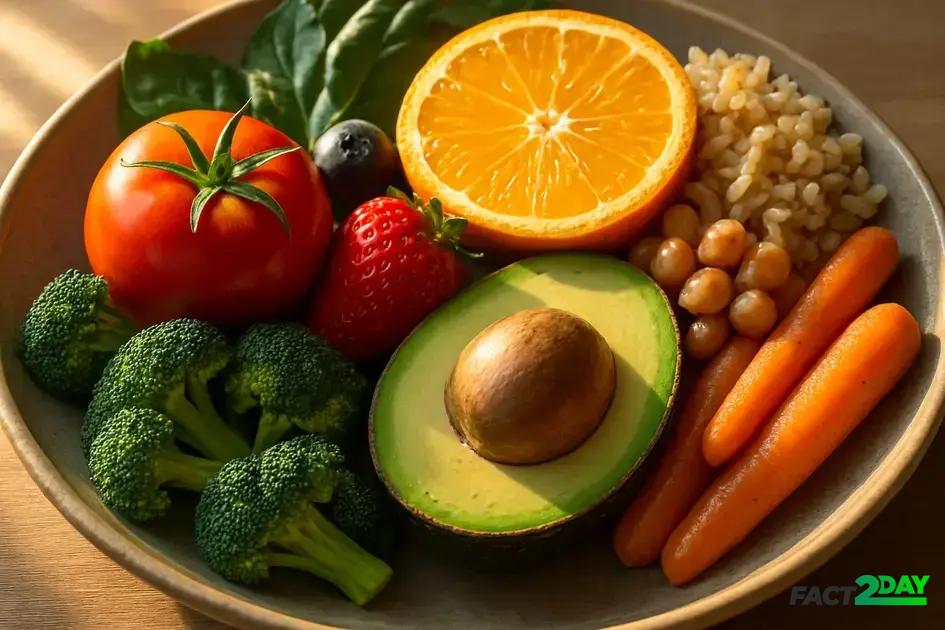
Nutrient bioavailability measures how well your body absorbs and uses nutrients from food, affecting overall health beyond just calorie count.
Have you ever wondered why some foods seem to nourish us more deeply than others? Exploring nutrient bioavailability unveils how our bodies truly absorb and use the nutrients hidden within our meals. In this journey, we discover more than calories—there’s a subtle science shaping our health.
understanding nutrient bioavailability and its role
Nutrient bioavailability refers to the proportion of nutrients in food that our body can absorb and use effectively. Not all nutrients consumed are fully absorbed; this depends on several factors including the nutrient’s chemical form, the food matrix, and our digestive health. For example, the iron in spinach is less bioavailable than the iron found in meat, meaning our bodies absorb it less efficiently.
Why bioavailability matters
Understanding bioavailability helps us realize that simply counting calories or nutrients isn’t enough. Quality and how well our body absorbs those nutrients have a direct impact on health. Higher bioavailability means better nourishment and improved bodily functions.
Types of nutrients and bioavailability
Vitamins and minerals vary widely in bioavailability. Fat-soluble vitamins like A, D, E, and K require dietary fats for absorption. Similarly, minerals like calcium and zinc have inhibitors such as phytates in plant foods that can reduce their absorption.
By knowing the bioavailability of different nutrients, we can make smarter food choices and combine foods in ways that optimize nutrient uptake.
how food composition affects nutrient absorption
The way food is composed greatly influences nutrient absorption. Different combinations of nutrients can either enhance or inhibit how well our bodies take in vitamins and minerals. For instance, vitamin C found in citrus fruits can improve iron absorption from plant sources, making it easier for the body to use this essential mineral.
Role of macronutrients
Fats play a vital role in absorbing fat-soluble vitamins like A, D, E, and K. Without enough dietary fat, these vitamins might pass through the digestive system unused. On the other hand, fiber, while important for digestion, can bind to certain minerals such as calcium and zinc, reducing their bioavailability.
Impact of anti-nutrients
Some plant-based foods contain compounds called anti-nutrients, such as phytates and oxalates. These substances can hinder the absorption of minerals by binding to them. Soaking, fermenting, or cooking foods can reduce anti-nutrient levels, helping improve nutrient uptake.
Understanding how food composition affects nutrient absorption can help you combine meals wisely to get the most benefit from the foods you eat.
the impact of cooking methods on nutrients
Cooking methods can significantly change the nutrient content and bioavailability of the food we eat. Some nutrients are sensitive to heat, water, and air exposure, which can degrade or reduce their absorption. For example, boiling vegetables can cause water-soluble vitamins like vitamin C and some B vitamins to leach into the cooking water, lowering their levels in the food.
Cooking techniques that preserve nutrients
Steaming and microwaving are cooking methods that help retain most nutrients because they use less water and shorter cooking times. These methods maintain the food’s natural color, texture, and nutrient levels better than boiling or frying.
How heat affects nutrient bioavailability
Heat can both enhance and reduce nutrient availability. For example, cooking tomatoes increases the bioavailability of lycopene, a powerful antioxidant, by breaking down cell walls. However, prolonged or high heat can damage vitamins such as vitamin C and folate.
Choosing the right cooking method is key to maximizing the nutritional benefit of your meals. Using gentle cooking techniques and avoiding excessive heat and water can help preserve essential nutrients.
common factors that reduce bioavailability
Several common factors can reduce nutrient bioavailability and affect how well our body absorbs vitamins and minerals. One major factor is the presence of anti-nutrients like phytates, tannins, and oxalates found in many plant foods. These compounds bind to minerals such as iron, calcium, and zinc, preventing their absorption.
Role of gut health
The health of the digestive system influences nutrient absorption. Conditions like leaky gut, infections, or imbalanced gut bacteria can damage the intestinal lining, reducing its ability to absorb nutrients effectively.
Interactions with medications
Certain medications may interfere with nutrient absorption. For example, antacids can reduce stomach acidity needed to absorb vitamin B12 and minerals like iron. Understanding these interactions can help manage nutrient intake better.
Lifestyle factors such as excessive alcohol consumption and smoking also impair nutrient uptake. Additionally, age plays a role since absorption efficiency tends to decline over time, making nutrient-rich diets and supplementation more important for older adults.
how to enhance nutrient absorption naturally
Improving nutrient absorption naturally involves simple lifestyle and dietary choices. Pairing certain foods can boost nutrient uptake; for example, consuming vitamin C-rich fruits alongside iron-rich plant foods enhances iron absorption. Similarly, healthy fats like olive oil can increase the absorption of fat-soluble vitamins.
Optimize digestion
Maintaining a healthy gut is essential. Probiotics found in yogurt and fermented foods help balance gut bacteria, supporting nutrient absorption. Drinking enough water and chewing food thoroughly also aid digestion.
Reduce inhibitors
To enhance absorption, limit foods high in anti-nutrients or process them properly by soaking, fermenting, or cooking. Avoid excessive caffeine and alcohol, as they can hinder mineral absorption.
Small changes like these can make a significant difference in how well your body benefits from the nutrients in your diet.
practical tips for balanced nutrient intake
Balancing your nutrient intake is key to overall health and wellbeing. Start by including a variety of food groups in your meals such as fruits, vegetables, whole grains, proteins, and healthy fats. This diversity ensures a broad spectrum of vitamins and minerals.
Plan meals thoughtfully
Use meal planning to balance nutrients throughout the day. For example, combining protein with complex carbohydrates and healthy fats can stabilize energy levels and improve nutrient absorption.
Mind portion sizes
Eating appropriate portion sizes helps prevent nutrient imbalances and supports a healthy weight. Overeating even healthy foods can lead to excess calorie intake, while too little food can cause nutrient deficiencies.
Incorporate colorful fruits and vegetables regularly to maximize antioxidant and fiber intake. Also, consider whole-food sources over supplements for better bioavailability and overall benefits.
Understanding nutrient bioavailability is key to better health
Not all calories are created equal, and how our body absorbs nutrients plays a big role in overall wellness. Paying attention to factors like food composition, cooking methods, and lifestyle can help improve nutrient absorption naturally.
By making simple changes such as combining foods wisely and choosing gentle cooking techniques, you can get more from every meal. Balanced nutrient intake supports energy, immunity, and long-term health.
Remember, focusing on the quality and bioavailability of nutrients is as important as the quantity of calories consumed. Small steps toward better nutrition can lead to big improvements in your health and wellbeing.