Your Second Brain: How Your Gut Microbiome Directly Influences Your Mood and Health
Explore how the Gut-Brain Axis shapes your mood and health, revealing the deep connection between your gut microbiome and emotional well-being.
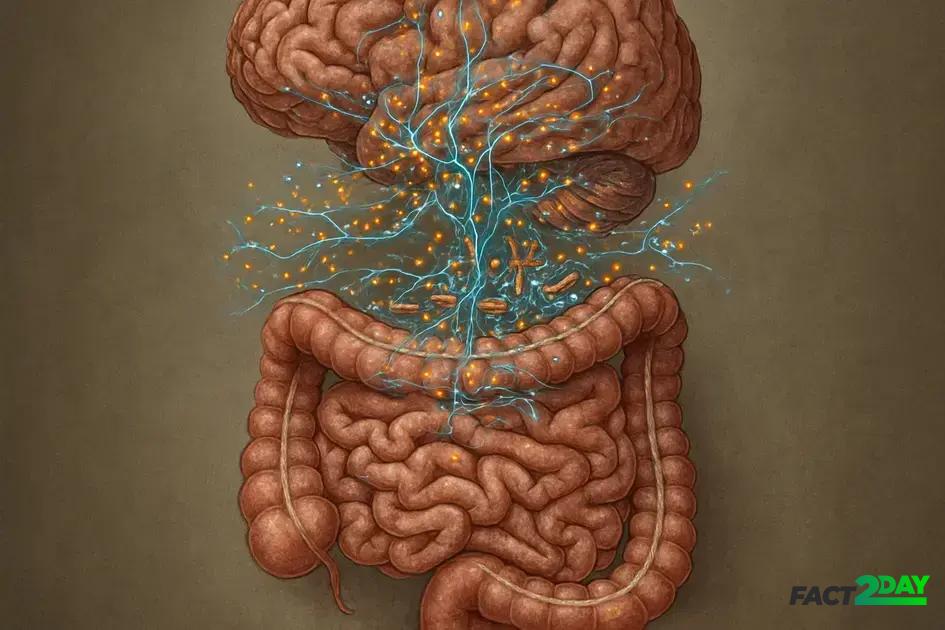
The Gut-Brain Axis is the complex communication network linking your gut microbiome and brain through the nervous system, immune signals, and chemicals, directly influencing mood, mental health, and overall well-being.
Have you ever wondered about the mysterious link between your gut and your emotions? The Gut-Brain Axis opens a fascinating window into how the tiny organisms living in your digestive tract might influence your mood and overall health. Let’s explore this hidden world together.
understanding the gut-brain connection
The gut-brain connection refers to the intricate communication system between your digestive tract and your brain. This link is made through multiple pathways, including the nervous system, hormones, and the immune system. The vagus nerve, the longest nerve connecting the brain and gut, plays a critical role by sending signals both ways. This means your gut can influence your feelings and mental state, while your brain can affect how your gut functions.
Key Components of the Gut-Brain Axis
The gut-brain axis involves several important players like the central nervous system, the enteric nervous system (often called the “second brain”), and the gut microbiota—the trillions of bacteria living in your intestines. These microbes produce substances like neurotransmitters and short-chain fatty acids, which can affect brain function and mood regulation. For example, some gut bacteria generate serotonin, a chemical linked to happiness.
How Signals Are Transmitted
Signals between the gut and brain travel through nerves, including the vagus nerve, as well as through chemicals released in the bloodstream. This communication influences digestion, immune response, and even the way you perceive stress or anxiety. Disruptions in this axis can contribute to conditions like depression, irritable bowel syndrome, and other neurological or digestive disorders.
Understanding this connection opens new doors to improve mental and physical health by caring for your gut. It’s why what you eat, how you manage stress, and your overall lifestyle can deeply impact both your mood and digestive health.
how microbiome diversity affects mental health
The diversity of your gut microbiome plays a crucial role in maintaining mental health. A rich and varied microbial community supports the production of vital neurotransmitters like serotonin and dopamine, which regulate mood and cognitive functions. Conversely, a less diverse microbiome can lead to imbalances that affect emotional well-being.
Link Between Microbiome Diversity and Brain Function
Studies have shown that people with depression or anxiety often have reduced gut microbiota diversity. This lack of variety can lead to increased inflammation and altered communication between the gut and brain. Healthy microbiome diversity supports better brain chemistry, helping to stabilize mood and reduce symptoms of mental disorders.
Factors Influencing Microbiome Diversity
Diet, antibiotics, stress, and lifestyle choices all influence how diverse your gut bacteria are. Eating a diet rich in fiber, fermented foods, and prebiotics fosters a wider variety of beneficial bacteria. On the other hand, processed foods and excessive antibiotic use may damage this balance, affecting mental health negatively.
Overall, nurturing your gut microbiome diversity can be a powerful step toward emotional resilience and improved cognitive health.
signs your gut health impacts your mood
Your gut health can greatly affect your mood through the strong link between the digestive system and the brain. Signs that your gut health impacts your mood often appear as changes in both your digestion and emotional state. Common symptoms include frequent bloating, gas, or irregular bowel movements, paired with feelings of anxiety, irritability, or unexplained sadness.
Physical Symptoms to Watch For
Digestive issues such as constipation, diarrhea, or abdominal discomfort can indicate an imbalance in your gut microbiome. This imbalance can disrupt communication along the gut-brain axis, leading to mood swings or decreased mental clarity. Pay attention if these digestive problems coincide with changes in your mental state.
Emotional and Cognitive Signs
Many people notice increased feelings of stress, nervousness, or mood instability when their gut is unwell. Brain fog, difficulty concentrating, and fatigue may also occur. These symptoms reflect how inflammation and chemical signals from the gut influence brain function.
Recognizing these signs can help you address gut issues early, improving both your mood and overall well-being.
foods that nourish your gut-brain axis
Certain foods play a powerful role in nourishing your gut-brain axis, helping maintain a healthy balance of gut bacteria and supporting brain function. Including a variety of fiber-rich, fermented, and nutrient-dense foods can enhance your gut microbiome and promote emotional well-being.
Fiber-Rich Foods
Foods high in dietary fiber, such as fruits, vegetables, whole grains, and legumes, serve as prebiotics. These feed beneficial gut bacteria, encouraging their growth and activity. A diverse and thriving microbiome produces short-chain fatty acids that help reduce inflammation and support brain health.
Fermented Foods
Fermented foods like yogurt, kefir, sauerkraut, kimchi, and kombucha provide live probiotics—live beneficial bacteria. These can help restore and maintain microbiome diversity. Probiotics have been linked to reduced anxiety and improved mood through the gut-brain connection.
Omega-3 Rich Foods
Omega-3 fatty acids found in fatty fish like salmon, flaxseeds, and walnuts have anti-inflammatory properties that protect brain cells and improve communication between the gut and brain. Including these in your diet supports both digestive and mental health.
Eating a balanced mix of these foods can powerfully support the gut-brain axis and improve your overall mental and digestive well-being.
lifestyle habits to support gut-brain balance
Maintaining a healthy gut-brain balance requires more than diet alone; lifestyle habits play a vital role in supporting this connection. Simple daily practices can enhance your gut microbiome and improve communication between your gut and brain.
Regular Exercise
Physical activity boosts gut health by increasing microbial diversity and reducing inflammation. Exercise also releases endorphins that improve mood and help regulate stress, further benefiting the gut-brain axis.
Effective Stress Management
Chronic stress can harm your gut microbiome and disrupt gut-brain communication. Practices like meditation, deep breathing, and mindfulness help lower stress hormones, supporting both gut and mental health.
Quality Sleep
Adequate and consistent sleep patterns promote a balanced microbiome and optimal brain function. Poor sleep can increase gut inflammation and impair mood regulation.
Incorporating these habits into your routine can strengthen your gut-brain axis, enhancing both your emotional well-being and digestive health.
scientific insights into gut-brain communication
Recent research has uncovered fascinating scientific insights into gut-brain communication. This bidirectional system involves complex interactions between the nervous system, immune system, and gut microbiota. Scientists have identified several key pathways that allow your gut and brain to exchange information effectively.
Role of the Vagus Nerve
The vagus nerve acts like a highway, transmitting signals from the gut to the brain and vice versa. It influences digestion, mood, and immune responses. Studies show that stimulating the vagus nerve can reduce inflammation and improve symptoms of depression.
Microbial Influence on Neurotransmitters
Your gut microbes produce chemicals such as serotonin, dopamine, and gamma-aminobutyric acid (GABA). These neurotransmitters regulate mood, anxiety, and cognition. Alterations in microbiota composition can disrupt these signals, linking gut health to mental disorders.
Immune System Connections
The gut contains a large portion of the body’s immune cells. These cells detect microbial activity and send immune signals to the brain. Chronic gut inflammation can trigger neuroinflammation, which may contribute to conditions like anxiety and Alzheimer’s disease.
Understanding these mechanisms is vital for developing new treatments that target the gut to improve brain health.
Understanding the gut-brain axis is key to better health
The Gut-Brain Axis shows us how closely connected our digestive system and brain truly are. By caring for your gut health through diet, lifestyle, and stress management, you can positively influence your mood and overall well-being.
Scientific research continues to reveal new ways this connection works, opening possibilities for improving mental and digestive health together. Paying attention to your gut offers a powerful path to feeling your best every day.