The Earth’s Hidden Chemistry Labs: Unveiling the Secrets of Volcanic Lakes
Volcanic lakes hold unique chemical mysteries beneath their surfaces, revealing Earth's natural laboratories for transformation and wonder.
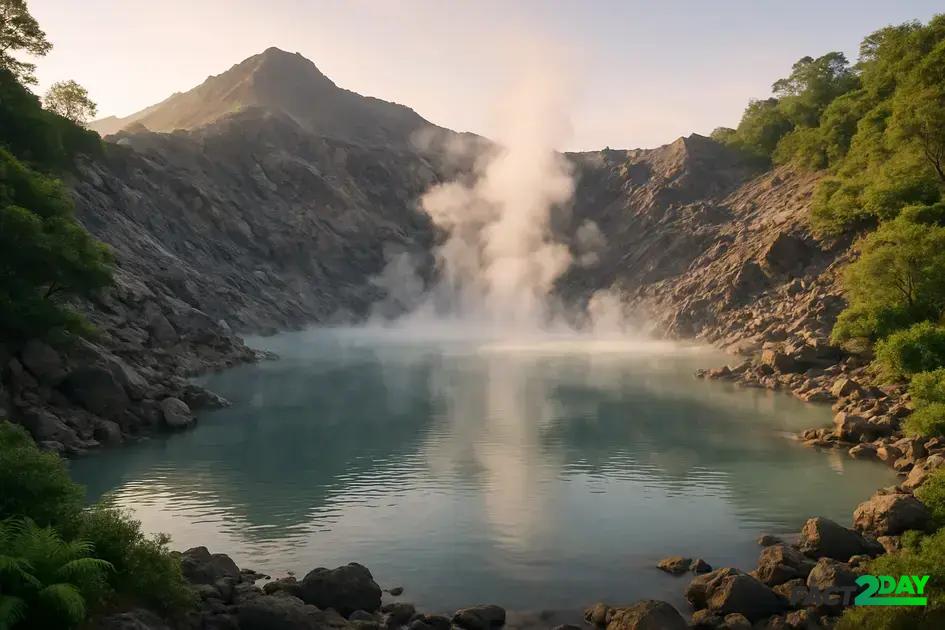
Volcanic lakes are natural crater or caldera lakes with unique acidic and mineral-rich chemistry, hosting specialized ecosystems and serving as natural laboratories for studying Earth’s geological and biological processes.
Have you ever wondered about the mysterious world of volcanic lakes? These hidden pockets of Earth’s chemistry unfold stories of transformation that might surprise you. Let’s explore their secret rhythms together.
what volcanic lakes are and how they form
Volcanic lakes are natural bodies of water formed in volcanic craters or calderas after an eruption. These lakes develop when magma activity beneath the surface cools and the crater fills with rainwater, groundwater, or melted ice. The volcanic activity shapes the basin’s size and depth, and minerals dissolved from rocks influence the water’s unique characteristics.
Formation of Volcanic Lakes
After a volcano erupts, the emptied magma chamber may cause the ground above it to collapse, creating a large crater called a caldera. Over time, rainwater and other sources fill this depression, forming a lake. Sometimes, volcanic gases interact with the water, altering its chemistry and color dramatically.
Types of Volcanic Lakes
There are several types based on formation: crater lakes form directly in volcanic craters, while caldera lakes are larger and occur in broader collapsed areas. Some lakes are acidic due to sulfur dioxide and other gases mixing with water, making them unique ecosystems.
Understanding how volcanic lakes form helps us appreciate their ecological and geological importance, as well as their role as natural laboratories of Earth’s internal processes.
the unique chemistry behind volcanic lakes
Volcanic lakes are famous for their unique chemistry, which results from the interaction between volcanic gases, minerals, and water. These lakes often contain high concentrations of dissolved elements like sulfur, iron, and various metals, giving them unusual colors and properties.
The Role of Volcanic Gases
Gases such as sulfur dioxide and carbon dioxide released from magma dissolve into the lake water, making it acidic and rich in chemicals. This acidic environment can cause strong chemical reactions with surrounding rocks, altering the water’s composition continuously.
Minerals and Metal Content
Volcanic lakes may have elevated levels of minerals like sulfuric acid, chloride, and metals like iron and manganese. These elements affect both the water’s color and its toxicity, creating an environment few organisms can survive in.
Impact on Water Properties
The combination of gases and minerals leads to a wide range of water pH levels, temperatures, and colors—from deep green and blue to reddish hues. Some volcanic lakes are even hot, resembling natural hot springs, due to geothermal heat.
Understanding the chemistry of volcanic lakes reveals how Earth’s internal processes shape natural environments that are both hazardous and fascinating.
flora and fauna adapted to volcanic lakes
Volcanic lakes create an unusual environment where only specialized flora and fauna can survive. Due to the often acidic and mineral-rich waters, many common species cannot thrive. Instead, unique organisms adapted to these harsh conditions evolve in and around these lakes.
Plant Life Around Volcanic Lakes
Plants near volcanic lakes tend to be hardy and tolerant of poor soil conditions and mineral exposure. Algae and certain aquatic plants flourish in the lake water, sometimes giving the water distinct colors. Terrestrial plants surrounding the lakes often have adaptations to cope with higher acidity and fluctuating temperatures.
Animal Species
Only specific types of animals can survive in volcanic lake ecosystems. Microorganisms like bacteria and extremophiles thrive in the acidic and hot waters. Some insects and invertebrates have adapted to the unique chemical environment, and birds often visit these lakes to feed or nest nearby. Fish species are rare but may exist in less acidic volcanic lakes.
The delicate balance of life in volcanic lakes reflects the resilience of nature in extreme environments and offers valuable insights into ecological adaptation.
volcanic lakes as natural laboratories for scientists
Volcanic lakes serve as natural laboratories where scientists study Earth’s geology, chemistry, and biology under extreme conditions. The unique environment offers insights into volcanic activity, mineral deposits, and life adaptation.
Geochemical Research
Scientists analyze water samples to understand the interaction between volcanic gases and minerals. Changes in water chemistry can signal volcanic unrest or predict eruptions, making these lakes important for volcanic monitoring.
Biological Studies
Extremophile microorganisms living in volcanic lakes help researchers study life’s limits and evolution. These studies contribute to fields like astrobiology, as similar environments may exist on other planets.
Climate and Environmental Research
Layers of sediment in volcanic lakes hold records of past climates and volcanic events. Researchers use this data to reconstruct environmental changes over thousands of years.
By studying volcanic lakes, scientists unlock secrets about Earth’s processes and improve safety measures near active volcanoes.
geothermal activity and its influence on lake chemistry
Geothermal activity plays a crucial role in shaping the chemistry of volcanic lakes. Heat from the Earth’s interior heats groundwater, which then interacts with volcanic rocks and minerals, altering the lake’s chemical makeup.
Effect on Water Temperature
Geothermal heat increases the temperature of volcanic lakes, sometimes making them hot springs. This elevated temperature affects the solubility of gases and minerals, leading to unique chemical reactions within the water.
Mineral Enrichment
Hot water rising through rocks dissolves minerals like sulfur, iron, and silica. These dissolved elements enter the lake, contributing to its mineral-rich composition. This process can create colorful mineral deposits around the lake’s edges.
Gas Emissions
Geothermal activity releases gases such as sulfur dioxide and carbon dioxide into the lake. These gases dissolve into the water, often making it acidic and influencing the lake’s overall chemistry and the types of organisms that can live there.
The interplay between geothermal forces and volcanic lakes creates dynamic, ever-changing environments that offer valuable insights into Earth’s hidden processes.
risks and hazards associated with volcanic lakes
Volcanic lakes can be beautiful but also pose serious risks and hazards due to their volatile nature. These lakes may contain toxic gases, acidic water, and unstable ground that can be dangerous to nearby communities.
Toxic Gas Emissions
Some volcanic lakes release harmful gases like carbon dioxide and sulfur dioxide. These gases are invisible and can accumulate in low-lying areas, causing asphyxiation or even sudden disasters known as limnic eruptions.
Acidic Water and Chemical Burns
The water in volcanic lakes is often highly acidic due to dissolved volcanic gases, which can cause severe burns and damage to skin and eyes upon contact. It also makes the lake inhospitable to most wildlife.
Potential for Lake Overflows and Floods
Heavy rainfall or volcanic activity can cause lake waters to overflow or trigger landslides, which might lead to flash floods downstream, threatening human settlements and ecosystems.
Seismic Activity and Lake Instability
Volcanic lakes often sit atop unstable volcanic structures. Earthquakes or eruptions can destabilize the lake’s basin, causing landslides or crater collapse that could result in sudden water release or destruction.
Understanding these hazards is vital for risk management and protecting communities living near volcanic lakes.
cultural significance and myths surrounding volcanic lakes
Volcanic lakes often hold deep cultural significance and appear in various myths and legends around the world. Many communities view these lakes as sacred places, linking them to gods, spirits, and ancient stories.
Spiritual Beliefs and Traditions
In many cultures, volcanic lakes are believed to be the homes of powerful deities or spirits. Local rituals and ceremonies are often performed to honor these forces, seeking protection or blessings.
Myths and Folklore
Stories about volcanic lakes frequently involve tales of creation, destruction, and transformation. Some legends warn against venturing too close due to dangers, while others speak of hidden treasures or mystical creatures residing beneath the surface.
Art and Symbolism
Volcanic lakes inspire artists and storytellers, symbolizing nature’s power and mystery. In paintings, songs, and literature, these lakes embody the tension between beauty and danger.
Understanding the cultural significance of volcanic lakes enriches our appreciation for these natural wonders beyond their scientific interest.
conservation efforts and environmental challenges
Volcanic lakes face several environmental challenges that threaten their unique ecosystems. Human activities, such as tourism and pollution, can disrupt the delicate balance of these natural systems.
Threats to Volcanic Lakes
Pollution from nearby industries and agriculture can introduce harmful chemicals, altering the lake’s water chemistry. Increased tourism without proper management can cause habitat damage and increased waste.
Conservation Initiatives
Many organizations work to protect volcanic lakes by monitoring water quality, limiting access to sensitive areas, and educating the public on environmental impacts. Protected areas and regulations help preserve the natural beauty and scientific value of these lakes.
Community Involvement
Successful conservation depends on involving local communities who rely on volcanic lakes for water, food, and cultural identity. Sustainable practices and eco-friendly tourism models promote both economic benefits and environmental protection.
Protecting volcanic lakes ensures that these extraordinary ecosystems continue to thrive and inspire future generations.
Understanding the importance of volcanic lakes
Volcanic lakes are more than just beautiful natural features; they are complex systems full of unique chemistry, life, and cultural meaning. They offer scientists valuable insights while posing certain risks and environmental challenges.
By protecting these lakes through conservation efforts and respecting their cultural significance, we can ensure their survival for generations to come. Exploring volcanic lakes encourages us to appreciate the powerful forces shaping our planet and the delicate balance of nature.