Architects of the Wild: The Incredible Structures Built by Animals Across the Globe
Animals That Build reveal stunning natural engineering feats, from intricate nests to underground homes crafted across the globe.
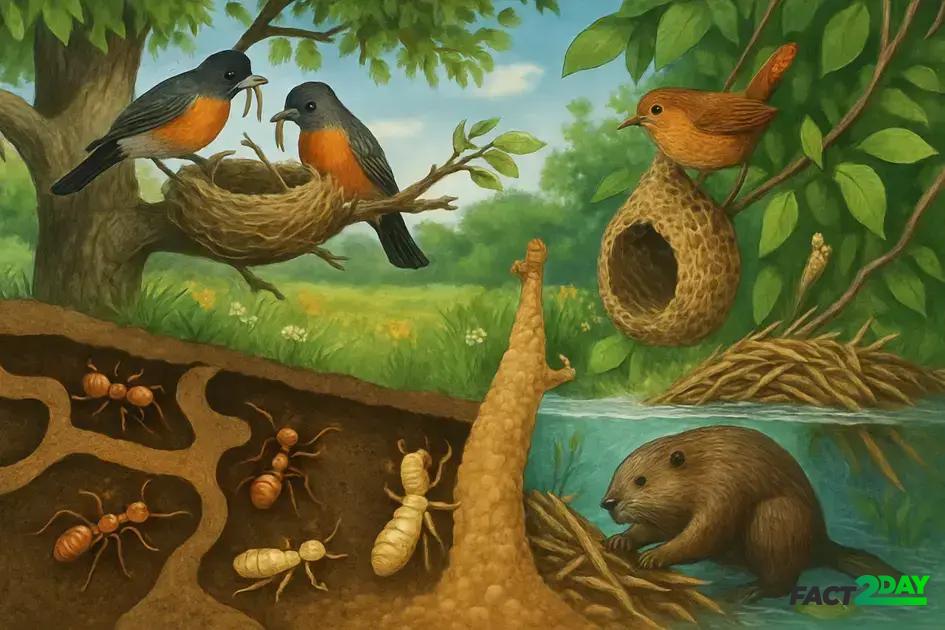
Animals That Build create diverse and complex structures like nests, burrows, and mounds that support ecological balance, protect offspring, and influence both ecosystems and human environments worldwide.
Animals That Build craft some of nature’s most fascinating structures, but have you ever paused to wonder how they do it? Let’s explore these wild architects and the wonders hiding in their creations.
the art of animal architecture: how creatures design their homes
Animals display remarkable creativity in the way they design their homes, using available resources to build structures that protect and sustain them. This animal architecture varies widely among species, influenced by their environment, survival needs, and social behaviors.
Materials and Techniques
From mud, twigs, leaves, to saliva and silk, animals choose and manipulate materials to create durable and functional shelters. For instance, beavers construct dams with branches and mud to create ponds that protect their lodges.
Adaptive Design
These homes are often adapted to climate and predators. Birds weave intricate nests that provide insulation and camouflage. Some animals, like termites, regulate temperature and humidity through sophisticated ventilation systems within their mounds.
Purpose and Functionality
Animal homes serve various purposes: raising young, storing food, or sheltering from adverse weather. The architecture reflects these needs, balancing comfort and protection.
Examples in Nature
Creatures as diverse as spiders, corals, and prairie dogs demonstrate this design mastery. Each structure embodies an evolutionary response to specific environmental challenges, showcasing nature’s innovative spirit.
amazing nests and shelters built by birds
Birds are among nature’s most skilled builders, using twigs, leaves, mud, feathers, and even spider silk to craft nests that provide safety and comfort. These nests vary widely, from simple scrapes on the ground to complex woven structures hanging from tree branches.
Variety in Nest Types
Cup nests are common, often built in trees or shrubs, offering shelter and warmth for eggs and chicks. Some birds create cavity nests in tree holes or abandoned woodpecker nests, which protect against predators and harsh weather.
Advanced Building Techniques
Courtship and survival drive birds to construct sophisticated nests. The weaver bird, for example, interlaces grass with exceptional precision, while the hummingbird builds tiny, camouflaged nests using moss and spider webs.
Environmental Adaptation
Bird nests adapt to climate and habitat. In colder regions, nests have thicker insulation, while tropical birds may build nests that allow airflow to keep eggs cool. Some seabirds nest on cliffs, making use of ledges for safety.
Importance of Nests
Nests serve as more than just homes; they are critical for the reproductive success of birds. The design ensures protection from predators and environmental elements, making them a key survival tool.
underground wonders: burrows and tunnels by mammals
Mammals are master builders of underground homes, creating extensive burrows and tunnels that offer protection, temperature control, and safe spaces for raising young. These structures often include multiple entrances, chambers, and exit routes to help evade predators.
Construction Materials and Methods
Using their powerful claws and teeth, mammals dig through soil, sand, or clay to build intricate maze-like burrows. Some species line their tunnels with grass or leaves to provide insulation and comfort.
Adaptive Designs
Burrows vary greatly depending on the species and habitat. Prairie dogs build vast colonies with complex tunnel networks, while moles create compact tunnels that allow quick movement underground. Arctic foxes dig deeper burrows to stay warm during harsh winters.
Functionality and Benefits
These underground structures protect mammals from weather extremes, predators, and human disturbances. They serve as safe nurseries and facilitate social interactions in some species, highlighting the importance of burrow systems in survival strategies.
Examples of Burrowing Mammals
Common burrow builders include rabbits, groundhogs, meerkats, and badgers. Each adapts their tunnel systems to their environment, demonstrating unique architectural skills in the wild.
insect architects: the complex structures of ants and termites
Ants and termites are among the most skilled insect architects, building elaborate structures that serve as homes and fortresses for their colonies. These constructions are often highly organized, demonstrating complex social behavior and impressive engineering skills.
Structural Complexity
Termite mounds can reach several meters tall and feature a network of tunnels and chambers designed for ventilation, temperature regulation, and brood care. The architecture balances strength and air circulation, supporting the colony’s survival.
Materials and Construction Methods
Both ants and termites use soil, saliva, and organic matter to build. Termites, for example, mix chewed wood with their saliva to form a durable material. Ants use soil and plant debris, carefully arranging each piece to build nests and tunnels.
Colony Organization and Roles
The construction process involves specialized roles within the colony. Worker ants and termites gather materials, while soldier insects defend the site. This teamwork enables the efficient development and maintenance of their homes.
Environmental Adaptations
These insect structures vary depending on habitat and climate. Some termite mounds are designed to ventilate heat in hot environments, while ant nests might be built underground or within trees to optimize safety and access to resources.
aquatic builders: how animals shape underwater habitats
Many aquatic animals are remarkable builders who shape their underwater habitats using natural materials and clever techniques. These aquatic builders influence water ecosystems by creating homes, nurseries, and feeding areas.
Coral Reefs: Ecosystems by Builders
Coral polyps deposit calcium carbonate to form reefs that provide shelter for countless marine species. These reefs protect coastlines and support rich biodiversity, showcasing a natural architectural wonder.
Beaver Dams Beneath the Surface
Some aquatic mammals like beavers build dams and lodges in streams and rivers. These structures alter water flow, create ponds, and offer protection from predators, benefiting many other animals in the habitat.
Fish Nesting and Territory Construction
Certain fish species, such as cichlids, carefully build nests or clear territories on the sea or riverbed. This behavior helps ensure the survival of their offspring by providing safe egg sites.
Shell-Building Creatures
Animals like oysters and mussels attach themselves to surfaces, forming dense beds that influence ocean floor habitats. Their shells offer shelter and stabilize sediments, improving ecosystem health.
the impact of animal structures on ecosystems and humans
Animal-built structures play a vital role in shaping ecosystems and even affect human activities. These natural constructions can enhance biodiversity, improve soil quality, and influence water flow, benefiting numerous species.
Enhancing Biodiversity
Structures like beaver dams create wetlands that serve as habitats for many plants, fish, amphibians, and birds. Such environments increase species variety and foster ecological balance.
Soil and Water Impact
Burrows and tunnels dug by mammals aerate the soil, improving nutrient cycles and water infiltration. Termite mounds help to break down organic material, enriching the soil and promoting plant growth.
Human Interaction and Benefits
Humans depend on and benefit from these animal constructions; coral reefs protect coastlines from erosion and support fisheries. Additionally, some traditional human practices involve sustainably harvesting animal-built structures, highlighting a unique connection.
Challenges and Conservation
However, disruption to these building behaviors, whether from habitat loss or climate change, can negatively impact ecosystem health. Conserving animal architects and their structures is crucial to maintaining ecological services.
Understanding the Power of Animal Architects
Animal-built structures are amazing examples of nature’s creativity and intelligence. From the underground tunnels of mammals to the complex mounds of termites, these constructions support diverse ecosystems and benefit many species, including humans.
Protecting these animal architects and their homes is essential for maintaining healthy environments and the many benefits they provide. By appreciating the incredible work of these creatures, we can better understand the delicate balance of life on Earth.