Sky Spectacles: The Science Behind Nature’s Most Bizarre and Beautiful Extreme Weather Phenomena
Explore extreme weather phenomena with us and uncover the science behind nature's most striking and unusual sky spectacles, blending beauty and mystery.
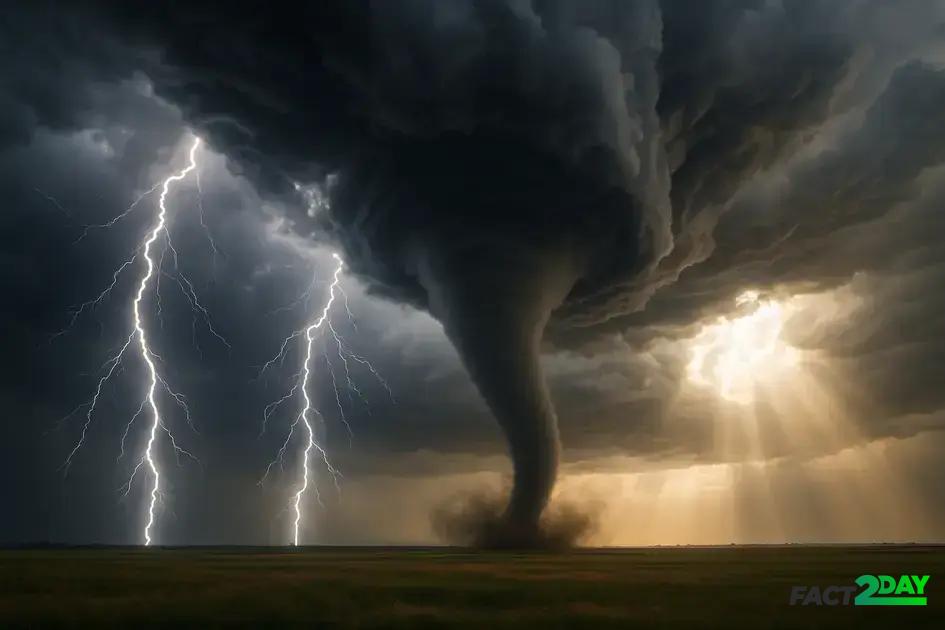
Extreme weather phenomena are powerful natural events like hurricanes, tornadoes, and blizzards caused by atmospheric conditions that dramatically impact ecosystems, human safety, and the planet’s climate.
Have you ever paused to marvel at the sheer force and beauty of extreme weather phenomena? From swirling tornadoes to brilliant lightning displays, these natural events captivate and mystify. Let’s journey through the skies and uncover what makes these spectacles so extraordinary.
understanding extreme weather phenomena
Extreme weather phenomena are natural events that showcase the power and unpredictability of Earth’s atmosphere. These events include storms, hurricanes, tornadoes, and intense heatwaves that dramatically affect our environment and daily lives. Understanding how these phenomena form begins with knowing about atmospheric conditions such as temperature, humidity, and air pressure.
How Extreme Weather Forms
Weather happens because of the movement of air masses and moisture around the planet. When these air masses with different temperatures and moisture levels collide, they create instability, leading to various extreme events. For example, tornadoes develop from severe thunderstorms when warm, moist air meets cool, dry air.
The Role of Climate and Geography
Geography plays a big part in where and how extreme weather events happen. Coastal areas, for example, are more prone to hurricanes because they form over warm ocean waters. Meanwhile, mountainous regions may experience sudden storms due to changes in wind patterns. Climate changes can increase the frequency and intensity of these events.
Recognizing Patterns
Scientists study patterns and use advanced technology like satellites and radar to predict extreme weather. This helps communities prepare and reduce damage. Understanding these patterns can also reveal how such phenomena shape ecosystems and influence human activity.
Learning about extreme weather phenomena equips us with knowledge to stay safe and appreciate the dramatic displays of nature.
the science behind lightning and thunder
Lightning and thunder are stunning examples of extreme weather phenomena, born from powerful interactions within storm clouds. Lightning occurs when static electricity builds up due to the collision of ice particles and water droplets inside a thundercloud, creating a charge separation. This charge difference eventually discharges as a lightning bolt.
How Lightning Forms
Inside storm clouds, rising warm air and falling cooler air create friction that generates electrical charges. The negatively charged lower part of the cloud attracts positively charged areas, either in the cloud itself or on the ground. When the electrical potential becomes too great, it releases energy as lightning, flashing across the sky or striking the earth.
The Sound of Thunder
Thunder is the sound produced by lightning. The lightning bolt heats the air to temperatures hotter than the surface of the sun, causing the air to expand rapidly and create a shockwave. This shockwave we hear as the rumbling or cracking sounds of thunder, often following the lightning flash due to the difference in speed between light and sound.
Understanding the science behind lightning and thunder helps explain these dramatic sky spectacles we often witness during storms, highlighting the amazing power of nature’s electrical displays.
the mysteries of tornado formation
Tornado formation remains one of the most fascinating and complex aspects of extreme weather phenomena. Tornadoes develop from severe thunderstorms, especially those called supercells, where strong rotating updrafts known as mesocyclones form. These rotating columns of air can tighten and extend downward to create a tornado.
Conditions Needed for Tornadoes
Several factors must come together for tornado formation: warm, moist air near the ground, cooler air above, and strong wind shear, which means winds changing speed and direction with altitude. This combination creates instability and spinning in the atmosphere.
The Role of Mesocyclones
Mesocyclones are the key to understanding tornadoes. As warm air rises and spins, it can form a rotating wall cloud. If this spin intensifies and stretches toward the ground, a visible funnel cloud appears, potentially touching down as a tornado.
Despite advances in meteorology, predicting the exact moment and location of tornado formation remains challenging. Research continues to unravel the mysteries behind these powerful and destructive natural forces.
how hurricanes shape our planet
Hurricanes are among the most powerful extreme weather phenomena, shaping our planet in significant ways. These massive storm systems form over warm ocean waters and rotate due to the Earth’s spin. Their strong winds and heavy rains can reshape coastlines, alter landscapes, and impact ecosystems.
Influence on Geography
When hurricanes make landfall, they can cause severe erosion, washing away beaches and soil. Flooding reshapes rivers and lakes, while storm surges can move sand and debris inland. This natural erosion and deposition process can change the appearance of coastlines over time.
Impact on Ecosystems
Hurricanes can disrupt habitats by damaging vegetation and altering the balance of ecosystems. Some species may struggle while others take advantage of new conditions. For example, nutrient-rich floodwaters can stimulate plant growth after the storm, helping ecosystems recover.
Climate Regulation
Hurricanes also help regulate the Earth’s climate by releasing heat from tropical oceans into the atmosphere. This process redistributes energy and influences global weather patterns, acting as a natural cooling mechanism for ocean waters.
Understanding how hurricanes shape our planet reveals the complex interactions between weather and Earth’s systems, reminding us of nature’s power and influence.
rare and stunning optical weather displays
Optical weather displays refer to rare and beautiful atmospheric phenomena caused by the interaction of sunlight or moonlight with particles in the air. These displays create stunning visual effects like rainbows, halos, and sundogs, delighting observers with their vivid colors and shapes.
How Rainbows Form
Rainbows happen when sunlight passes through raindrops, which act like tiny prisms. The light bends and splits into different colors, displaying the classic arc of red, orange, yellow, green, blue, indigo, and violet. This natural spectacle often appears after a rain shower when the sun is low in the sky.
Halos and Sundogs
Halos and sundogs occur when light interacts with ice crystals in cold, high-altitude clouds. These ice crystals bend and reflect the light, creating circular halos around the sun or bright spots called sundogs on either side of it. These phenomena depend on crystal shapes and angles.
Other Fascinating Displays
Less common optical effects include light pillars and glories. Light pillars are vertical columns of light caused by ice crystals reflecting ground lights or the sun. Glories are colorful rings that appear around shadows on clouds or fog, creating a mystical appearance.
These rare and stunning optical weather displays highlight the incredible ways light and nature combine to create breathtaking sights in our skies.
extreme cold: blizzards and ice storms
Blizzards and ice storms are two of the most dangerous forms of extreme cold weather phenomena, known for their severe impact on both the environment and human activity. Blizzards are intense snowstorms characterized by strong winds, heavy snowfall, and low visibility. They can last for several hours or days, creating dangerous travel conditions and power outages.
What Causes Blizzards?
Blizzards form when cold air meets moist air, often near low-pressure systems. Strong winds lift and blow snow, reducing visibility to near zero. The combination of snowfall and wind chills can cause frostbite and hypothermia quickly.
Understanding Ice Storms
Ice storms occur when rain falls through a layer of cold air and freezes upon contact with surfaces. This freezing rain coats everything in a thick, slippery layer of ice, leading to hazardous roads, fallen tree limbs, and downed power lines.
Both blizzards and ice storms demonstrate how extreme cold weather events can disrupt daily life. Awareness and preparedness are key to minimizing their risks and impacts.
the impact of extreme weather on ecosystems
Extreme weather phenomena play a significant role in shaping ecosystems across the globe. Intense storms, droughts, floods, and temperature swings can alter habitats, affecting the plants and animals that live there. These events often cause rapid changes that challenge the survival of many species.
Effects on Plant Life
Strong winds and heavy rains from storms can uproot trees and destroy vegetation. Flooding may drown roots or alter soil nutrients, changing what plants can grow. On the other hand, some plants benefit from the nutrient deposits left behind after floods, which can boost growth.
Impact on Wildlife
Animals may face habitat loss or food shortages after extreme weather. Migration patterns can change, and some species may struggle to adapt if events become more frequent. However, certain creatures thrive in post-disturbance environments, taking advantage of new spaces or resources.
Long-Term Ecosystem Changes
Repeated extreme events can lead to permanent shifts in ecosystems. Wetlands might turn into grasslands, or forests might be replaced by shrublands. These changes affect biodiversity and the natural balance, influencing ecosystem services like clean water and carbon storage.
Understanding the impact of extreme weather on ecosystems helps us appreciate the delicate connections in nature and the importance of protecting these environments in a changing climate.
preparing for and adapting to extreme weather events
Preparing for extreme weather events is crucial to reduce their impact on people and property. Understanding the risks in your area, such as floods, hurricanes, or heatwaves, helps plan effective safety measures.
Emergency Planning
Create a family emergency plan that includes communication methods, evacuation routes, and meeting points. Having a well-stocked emergency kit with food, water, medications, and essential documents can save lives during disasters.
Home and Community Preparedness
Strengthen your home by securing doors, windows, and roofs. Communities can build flood defenses and improve warning systems. Local governments play a key role in disaster readiness by coordinating resources and support.
Adapting to Changing Weather Patterns
Adapting means adjusting to new climate realities. This includes designing buildings to withstand intense storms, using drought-resistant crops, and improving water management. Public education raises awareness about risks and encourages proactive behaviors.
Knowledge about preparing for and adapting to extreme weather events empowers individuals and communities to stay safer and recover faster when nature strikes.
Understanding and Respecting Extreme Weather
Extreme weather phenomena show nature’s incredible power and beauty. By learning the science behind these events, from lightning to hurricanes, we can appreciate their impact and prepare better for their challenges.
Protecting ourselves, adapting our communities, and respecting ecosystems affected by these events is key to living safely with nature’s forces. With the right knowledge and preparation, we can face extreme weather with confidence and care.