Ancient Kitchens: The World’s Oldest Recorded Recipes and What Our Ancestors Ate
Explore Oldest Recorded Recipes and discover the ancient flavors that shaped our ancestors' lives. Uncover culinary secrets from the dawn of cooking history.
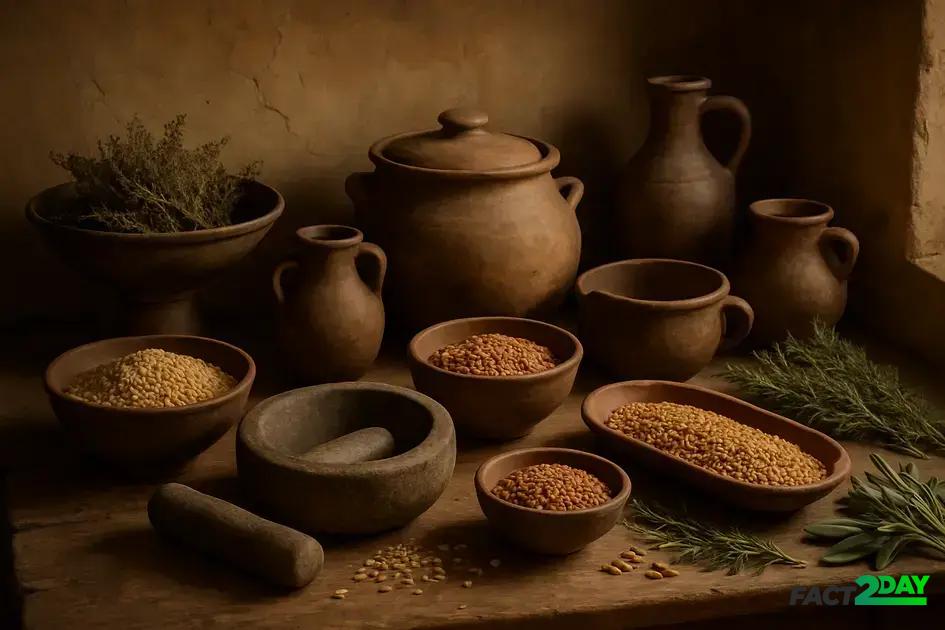
The oldest recorded recipes reveal ancient cooking methods, local ingredients, and cultural traditions that shaped how our ancestors prepared, preserved, and shared their food.
Have you ever wondered what the Oldest Recorded Recipes can tell us about the lives of those who lived thousands of years ago? These ancient culinary treasures invite us to taste history and connect with traditions long past.
the earliest known recipes: history and discovery
The earliest known recipes date back thousands of years, found in ancient tablets and scrolls from civilizations like Mesopotamia and Egypt. These recipes were often written on clay tablets using cuneiform script, preserving instructions for dishes made with available ingredients. For example, a famous Babylonian tablet from 1700 BCE details recipes that include meat stews mixed with herbs and spices.
Historical significance of these recipes
These early culinary records offer more than just cooking tips; they provide insights into the cultures, trade, and daily lives of ancient peoples. Recipes reveal what ingredients were valued, how food was prepared, and social customs surrounding meals.
Discovery and preservation
Archaeologists uncover these recipes during excavations, carefully translating ancient scripts to unlock the secrets. Many of these ancient recipes survived thanks to the durable materials they were inscribed on, giving us a rare glimpse into prehistoric kitchens.
Understanding these recipes helps us appreciate the evolution of cooking techniques and the human connection to food across time. It’s fascinating to imagine how early cooks combined simple ingredients to create nourishing meals that sustained entire societies.
ingredients and techniques used by ancient cooks
Ancient cooks relied on a variety of natural ingredients that were locally available, including grains like barley and wheat, legumes, herbs, wild fruits, and meats from domesticated or hunted animals. These ingredients formed the basis of many dishes, reflecting the environment and trade connections of the time.
Techniques for preparation and cooking
Cooking methods were simple but effective. Early techniques included roasting over open fires, boiling in clay pots, and baking in primitive ovens. Fermentation and drying were common for preserving food and enhancing flavors.
Use of herbs and spices
Herbs and spices were essential not only for taste but also for their preservative and medicinal properties. Ancient recipes often called for ingredients like coriander, cumin, garlic, and mustard seeds, showing a sophisticated understanding of flavor.
Tools such as stone grinders and wooden utensils helped prepare ingredients, while food was often cooked in ceramic vessels designed to withstand heat. Understanding these ancient techniques sheds light on the creativity and resourcefulness of early cooks in transforming raw ingredients into delicious meals.
how ancient recipes reveal cultural traditions
Ancient recipes are more than just instructions for cooking; they are windows into the cultural traditions of past civilizations. These recipes often include unique ingredients and preparation methods that reflect the values, beliefs, and social practices of the community.
Food as a cultural symbol
Many ancient dishes were tied to religious ceremonies, festivals, or rites of passage, showing how food played a crucial role in cultural identity. For example, certain grains or spices might be used only during special celebrations.
Regional influences and trade
The ingredients in ancient recipes often reveal trade routes and cultural exchanges. Spices from distant lands made their way into local dishes, highlighting interactions between different peoples and the spread of culinary knowledge.
Family traditions and storytelling
Recipes were commonly passed down through generations, carrying stories and customs along with cooking techniques. This oral and written tradition helped maintain a connection to ancestors and cultural heritage.
By studying these ancient culinary practices, we gain insight into how communities expressed their values and preserved their history through food, strengthening their cultural bonds over time.
the role of food in daily ancient life
Food played a central role in the daily lives of ancient people, far beyond mere sustenance. It influenced social structures, health, and even religious practices. Meals were times for family bonding and community gathering, reflecting the importance of sharing and cooperation.
Nutrition and survival
In ancient times, access to nutritious food was critical for survival. Diets consisted of what was seasonally available, including grains, vegetables, fruits, and occasionally meat. This limited variety required people to be careful about food preservation and utilization.
Food and social status
What people ate often reflected their social status. Wealthy individuals had access to a wider range of ingredients and more elaborate dishes, while common folk consumed simpler, staple foods. Certain foods were reserved for nobility or special ceremonies, highlighting their symbolic value.
Religious and cultural importance
Food was deeply tied to religious beliefs and rituals. Offerings to gods, fasting practices, and feast days were common. These traditions showed respect for ancestors and reinforced cultural identity through shared culinary practices.
The role of food in ancient daily life was, therefore, multi-faceted, shaping community relationships, health, and cultural expression as much as it satisfied hunger.
preservation methods in early culinary history
In early culinary history, preservation methods were essential for extending the shelf life of food and ensuring survival during scarce times. Ancient peoples developed various techniques to keep their food fresh and safe to eat.
Drying and dehydration
One of the oldest preservation methods was drying. By removing moisture from fruits, vegetables, and meats, ancient cooks prevented bacterial growth. Sun drying or air drying was commonly used in arid climates.
Smoking and curing
Smoking meat and fish added flavor while also preserving them. This technique involved hanging food over a smoky fire, where the smoke acted as a natural preservative. Curing with salt was another widely practiced method to draw moisture out and inhibit spoilage.
Fermentation
Fermentation not only preserved food but also enhanced its nutritional value. Ancient cultures fermented grains, vegetables, and dairy to produce items such as beer, pickles, and cheese. This process introduced beneficial bacteria that made the food last longer.
Storing food in cool, dark places like underground pits or cellars was also practiced to slow decay. These early preservation techniques demonstrate how resourceful our ancestors were in protecting their food supplies.
what modern cooks can learn from ancient recipes
Modern cooks can gain valuable lessons from ancient recipes, as these dishes often emphasize simplicity, seasonality, and the use of local ingredients. Learning from these time-tested methods can inspire healthier and more sustainable cooking practices.
Embracing natural flavors and ingredients
Ancient recipes often rely on fresh herbs, unprocessed grains, and natural sweeteners, encouraging cooks to appreciate authentic flavors rather than heavy additives and artificial ingredients.
Simple techniques with lasting results
Many ancient cooking methods, like slow roasting, fermentation, and natural preservation, can enhance the taste and nutritional value of food without complex equipment. These techniques teach patience and respect for the cooking process.
Connection to cultural roots
Exploring ancient recipes allows modern cooks to reconnect with cultural heritage and understand the origins of popular dishes. This appreciation fosters creativity and storytelling through food.
Incorporating ancient wisdom into today’s kitchens can lead to innovative dishes that honor the past while meeting modern tastes and dietary needs.
Bringing Ancient Wisdom to Modern Kitchens
Exploring the world’s oldest recorded recipes offers us valuable lessons in simplicity, flavor, and cultural connection. These ancient dishes remind us to appreciate natural ingredients and time-honored cooking techniques.
By embracing these traditions, modern cooks can create meals that are both healthy and meaningful. Learning from our ancestors’ culinary practices helps us deepen our relationship with food and the rich history it carries.
Incorporating ancient cooking ideas can inspire creativity and bring new life to today’s kitchens, blending the past and present deliciously.