From Orators to Artists: How Historical Figures Became the World’s First “Influencers”
Explore how the first historical influencers shaped culture and communication through art, speech, and charisma long before social media.
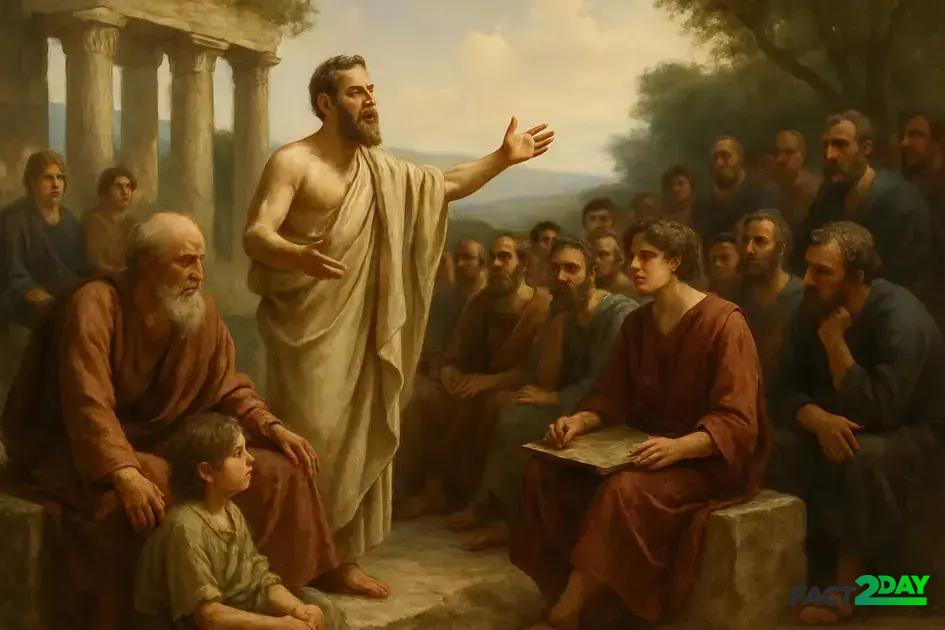
First historical influencers shaped societies by using authentic storytelling, public speeches, and art to build trust, engage audiences, and inspire action, setting foundational strategies still vital for modern content creators and social media influence.
First Historical Influencers reveal fascinating stories of how famous figures from the past shaped culture and ideas long before our digital world. Have you ever wondered who set the stage for today’s influencers? Let’s discover together.
the rise of famous orators and their lasting impact
Famous orators throughout history have wielded the power of speech to influence societies, shape opinions, and spark change. Figures like Cicero in Ancient Rome and Martin Luther King Jr. in modern America showcased how compelling speech can inspire action and leave a lasting legacy. Their ability to connect with audiences through emotion, logic, and credibility remains a foundation for effective communication today.
Techniques Used by Great Orators
These leaders mastered techniques such as repetition, storytelling, and persuasive language to keep listeners engaged. They understood the importance of body language and vocal tone to amplify their message. This made their speeches memorable and impactful across different cultures and time periods.
Lasting Cultural and Political Effects
The influence of orators often extended beyond their immediate speeches. Their words could fuel revolutions, unify people under common causes, or challenge existing power structures. Historic speeches have been recorded, studied, and referenced as examples of powerful rhetoric that transcends generations.
Understanding the rise and impact of famous orators helps us appreciate the roots of influence and communication tactics still relevant to today’s digital age.
artists who shaped public opinion before the digital age
Before the rise of digital platforms, artists played a crucial role in shaping public opinion through their work. Paintings, sculptures, and performances were powerful tools that conveyed messages and influenced societies. Artists like Leonardo da Vinci and Francisco Goya used their art to reflect social issues, politics, and human emotions, engaging audiences on a deep level.
Art as a Medium of Influence
Visual storytelling allowed artists to communicate complex ideas without words. For many, art was more than decoration; it was a form of expression that could challenge norms and inspire change. Public murals, portraits of leaders, and religious artworks often carried symbolic meanings intended to persuade or educate viewers.
The Impact on Public Opinion
Artworks created during critical historical moments often swayed public sentiment. For example, propaganda paintings during wartime motivated patriotic feelings, while realist art highlighted social injustices and prompted reform. These influences shaped cultural values and collective memory long before social media existed.
Exploring the role of artists as early influencers helps us understand the enduring power of creative expression in shaping how people think and feel across generations.
how storytellers influenced societies throughout history
Storytellers have been central to shaping societies by passing down traditions, morals, and history through generations. Their narratives created common ground, built cultural identities, and taught important life lessons. From ancient oral traditions to written epics, storytelling has always been a powerful tool to influence thought and behavior.
Role in Preserving Culture
Before widespread literacy, oral storytellers preserved knowledge by recounting myths, legends, and historical events. These stories united communities and helped people understand their place in the world. Elders often used stories to instruct younger generations, passing wisdom subtly embedded in engaging tales.
Impact on Social Values
Storytellers influenced societal values by emphasizing virtues like courage, honesty, and justice. Their tales often reflected the hopes, fears, and beliefs of their time, reinforcing social norms or challenging them. This made storytelling a vital form of social communication and persuasion.
Throughout history, the power of storytelling helped shape collective identity and guided societies in making ethical choices.
the role of public speeches in building early influence
Public speeches were among the earliest tools for building influence and persuading large groups of people. In ancient societies, leaders and orators used speeches to connect with audiences, share ideas, and rally support. This form of communication was crucial for shaping public opinion and directing political or social movements.
The Power of Persuasion
Skilled speakers employed rhetoric, emotion, and clear messaging to leave a strong impression on listeners. The ability to speak well publicly often determined a leader’s success in gaining trust and loyalty from followers.
Platforms for Early Influence
This influence often took place in forums like town squares, marketplaces, or public gatherings, where speeches could reach many people at once. These events created opportunities for dialogue and debate, allowing ideas to spread quickly in communities.
Early public speeches established the foundation for modern-day influence by demonstrating how words can inspire action and change.
connections between ancient influencers and modern social media
Ancient influencers used methods that mirror today’s social media strategies, proving that the core principles of influence remain constant across time. Just like modern content creators, historical figures engaged with audiences by sharing compelling stories, authentic messages, and visually striking presentations.
Parallels in Communication
Public speeches, artworks, and storytelling served as early forms of content sharing, similar to posts, videos, and images online today. These ancient influencers built communities and shaped opinions by captivating their audiences much like social media personalities do now.
Building Followers and Trust
Trust and reputation were key factors for both ancient and modern influencers. Historical figures developed loyal followings through consistent messaging and demonstrating authority, while social media influencers build relationships through engagement and relatability.
Understanding these connections between past and present influence practices sheds light on how fundamental human communication drives social trends, regardless of the platform.
lessons from historical influencers for today’s content creators
Historical influencers offer valuable lessons for today’s content creators aiming to build trust, engage audiences, and inspire action. The timeless strategies they employed—storytelling, authenticity, and emotional connection—remain essential in digital spaces.
Authenticity Builds Trust
Historical figures earned influence by being genuine and relatable. Modern creators can learn from this by sharing honest stories and showing their true selves to form deeper connections with followers.
Engage Through Storytelling
Compelling narratives have always captured attention and shaped opinions. Content creators should focus on storytelling that evokes emotion and provides value, encouraging interaction and loyalty.
Consistency and Authority Matter
Building influence requires regular posting and demonstrating expertise. Just as historical influencers repeatedly shared their messages and proved their knowledge, modern creators should maintain a consistent presence and offer trustworthy content.
Applying these lessons helps content creators stand out and build lasting influence in a crowded online world.
Key Takeaways for Today’s Content Creators
Learning from historical influencers helps us see how timeless strategies like authenticity, storytelling, and consistency build real connection and trust.
By applying these lessons, content creators can stand out and create meaningful influence in today’s fast-paced digital world.
Remember, influence is about sharing your true self and engaging your audience with valuable stories that inspire action.