Beyond Quinoa: Ancient “Superfoods” and Their Surprising Uses in History
Discover Historical Superfoods that shaped civilizations, revealing surprising ancient uses and timeless benefits found beyond quinoa's fame.
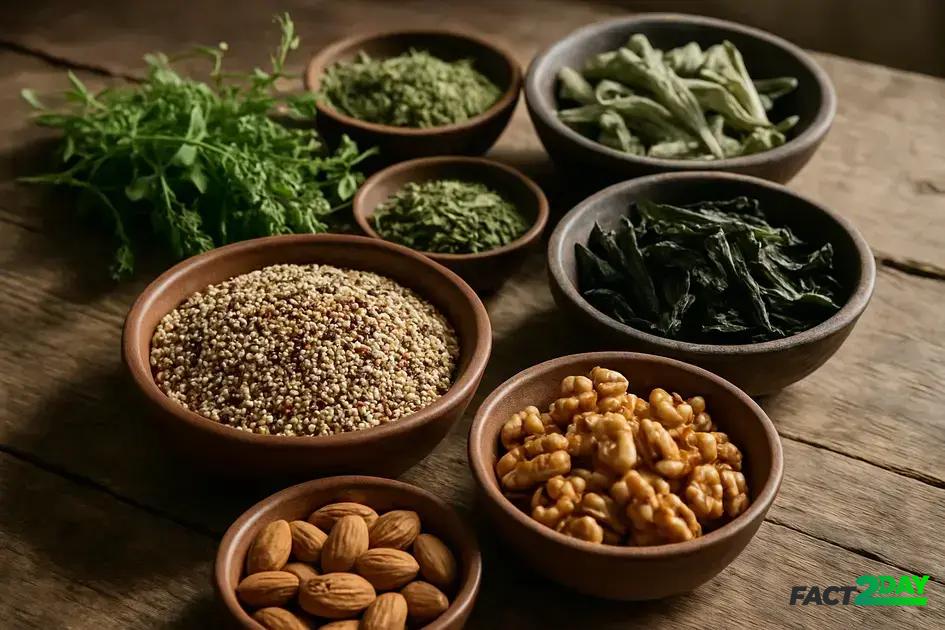
Historical superfoods are nutrient-dense ancient foods like quinoa, turmeric, and sea vegetables that provided essential vitamins, minerals, and health benefits, playing key roles in traditional diets and healing practices across cultures.
Historical Superfoods invite us on a journey through time, uncovering foods that nurtured ancient civilizations. Have you ever wondered what these powerful ingredients could teach us today?
understanding historical superfoods and their cultural roots
Historical superfoods hold a special place in the diets of ancient cultures, reflecting not only nutritional needs but also deep cultural significance. These foods were often considered sacred or medicinal, woven into traditions and rituals that defined entire civilizations.
Understanding historical superfoods means exploring how societies valued ingredients like amaranth, millet, or ancient varieties of beans. Each had unique roles beyond nourishment, often used in ceremonies or as symbols of wealth and health.
Many historical superfoods were grown in harmony with the environment, showcasing sustainable practices that modern agriculture seeks to emulate. The connection between these foods and their cultural roots helps explain their enduring legacy and why they are experiencing renewed interest today.
From the protein-packed grains of the Andes to the nutrient-dense plants of Africa and Asia, historical superfoods tell stories about resilience, innovation, and the human relationship with nature.
the nutritional powerhouses of ancient grains
Ancient grains such as quinoa, amaranth, millet, and farro have been nutritional pillars for centuries, offering dense packs of vitamins, minerals, and fiber. These grains provided sustained energy and essential nutrients to civilizations long before modern cereals dominated diets.
Quinoa: The Complete Protein
Quinoa stands out as a rare plant-based complete protein, containing all nine essential amino acids. This made it invaluable for ancient Andean cultures, supporting muscle repair and overall health.
Millet and Amaranth: Rich in Minerals
Millet and amaranth are loaded with magnesium, iron, and phosphorus. These minerals play crucial roles in bone health, oxygen transport, and energy metabolism, highlighting why ancient peoples prized these grains.
Farro: Fiber and Antioxidants
Farro, an ancient wheat variety, provides abundant dietary fiber to support digestion and contains antioxidants that help combat cell damage. Its nutty flavor also made it a favorite staple in Mediterranean diets.
These nutritional powerhouses not only supported physical health but also contributed to longevity and resilience in ancient societies. Their resurgence today ties closely to their impressive health benefits and cultural heritage.
the role of medicinal plants in historical diets
Medicinal plants played a crucial role in historical diets, serving both as food and as remedies for common ailments. Ancient peoples understood the connection between nutrition and healing, incorporating herbs and plants that supported their health in daily meals.
Common medicinal plants used in history
Garlic was valued for its antiviral and antibacterial properties. It was often included in meals to help prevent infections and boost immune function. Similarly, ginger was used to ease digestion and reduce inflammation.
The dual purpose of herbs
Many herbs such as turmeric and rosemary were prized not only for flavor but also for their antioxidant and anti-inflammatory effects. These plants helped prevent disease and promoted longevity when regularly consumed.
Integration in daily diets
Historical diets often featured stews, teas, and baked goods infused with medicinal plants. This practice ensured that healing compounds were absorbed continually, supporting overall well-being rather than treating illness only when it arose.
Understanding the role of medicinal plants reveals how food was seen as medicine throughout history, emphasizing a holistic approach to health that modern diets can still learn from.
sea vegetables: the overlooked ancient superfoods
Sea vegetables, also known as seaweeds, have nourished coastal populations for thousands of years, yet they remain relatively overlooked as superfoods today. Packed with essential minerals like iodine, calcium, and iron, they offer powerful health benefits that ancient cultures recognized and cherished.
Types of sea vegetables
Nori, used in sushi, is rich in protein and vitamins A and C. Wakame contains fucoxanthin, which has been linked to fat metabolism and antioxidant effects. Dulse, popular in Atlantic coastal regions, provides a hearty flavor along with numerous nutrients.
Health benefits and nutritional value
Sea vegetables support thyroid function due to their high iodine content, essential for hormone regulation. They also provide fiber, promoting digestive health, and antioxidants that help protect cells from damage.
Historical and modern uses
Traditionally, seaweeds were consumed in soups, salads, and as seasoning. They served as vital supplements during times of food scarcity. Today, their popularity is growing with interest in plant-based diets and sustainable food sources.
Incorporating sea vegetables into modern meals can reconnect us with ancient dietary practices while boosting nutrition and flavor.
ancient fruits and nuts with enduring benefits
Ancient fruits and nuts provided essential nutrients and energy to early civilizations. These natural foods were reliable sources of vitamins, minerals, healthy fats, and antioxidants that supported long life and good health.
Fruits cherished in history
Figs were often prized for their sweetness and rich fiber content, aiding digestion and providing quick energy. Pomegranates, packed with antioxidants, symbolized fertility and life in many cultures.
Nuts as nutrient powerhouses
Nuts like walnuts and almonds offered heart-healthy fats, protein, and vitamin E. These nuts helped support brain function, immune health, and sustained energy.
Enduring benefits and uses
Besides nutrition, many ancient fruits and nuts held spiritual or medicinal value. They were included in diets to strengthen the body and mind, often eaten raw or ground into flours, oils, or pastes.
Today, rediscovering these old favorites can boost nutrition and connect us with natural foods that have stood the test of time.
historical superfoods in traditional healing practices
Historical superfoods were often integral to traditional healing practices across cultures. These foods were not only eaten for nutrition but also used to treat various ailments and maintain balance within the body.
Role of superfoods in ancient medicine
Turmeric has been used for thousands of years in Ayurvedic and Chinese medicine to reduce inflammation and support joint health. Its active compound, curcumin, is known for its healing properties.
Superfoods as preventive remedies
Foods like garlic and ginger were consumed to boost immunity and fight infections. These ingredients were often included in daily diets to strengthen resistance to illnesses.
Superfoods in spiritual and holistic healing
Some ancient superfoods such as honey and moringa were believed to have spiritual significance, promoting not just physical well-being but also emotional and spiritual healing.
By studying historical healing practices, we gain insight into how these superfoods were valued for their broad health benefits and how they can still be used to promote wellness today.
how to incorporate historical superfoods into modern life
Incorporating historical superfoods into modern diets can boost nutrition and connect us with traditional wisdom. These ancient foods are versatile and can easily fit into everyday meals.
Start with simple swaps
Replace common grains with ancient ones like quinoa or millet in salads, soups, or side dishes. These grains add unique flavors and dense nutrients without changing your meal routine drastically.
Use medicinal plants as seasonings
Adding herbs like turmeric, ginger, and garlic to your cooking can enhance flavor and health benefits. Try incorporating them into marinades, stir-fries, or teas.
Incorporate sea vegetables and nuts
Seaweeds can be used in salads, soups, or snacks for a mineral boost. Similarly, ancient nuts like almonds and walnuts serve as healthy snacks or salad toppers rich in good fats.
Exploring new recipes with historical superfoods allows you to enjoy nutrient-rich meals while honoring time-tested dietary traditions.
Embracing historical superfoods for better health
Historical superfoods offer a treasure trove of nutrition and health benefits proven by centuries of use. By understanding their origins and properties, we can make smarter food choices today.
Adding these ancient grains, medicinal plants, sea vegetables, fruits, and nuts to modern diets is simple and rewarding. Not only do they enhance flavor, but they also provide essential nutrients that support overall well-being.
Exploring the wisdom of traditional healing practices and dietary habits helps us reconnect with natural foods that have stood the test of time. This connection can inspire healthier lifestyles and a deeper appreciation for the food we eat.
Start incorporating historical superfoods into your everyday meals to enjoy their enduring benefits and enrich your diet with nature’s powerful gifts.