Crown and Claws: The Bizarre and Influential Lives of Royal Pets Through History
Explore the fascinating world of Royal Pets History, unveiling how crowned companions shaped history with charm and unexpected influence.
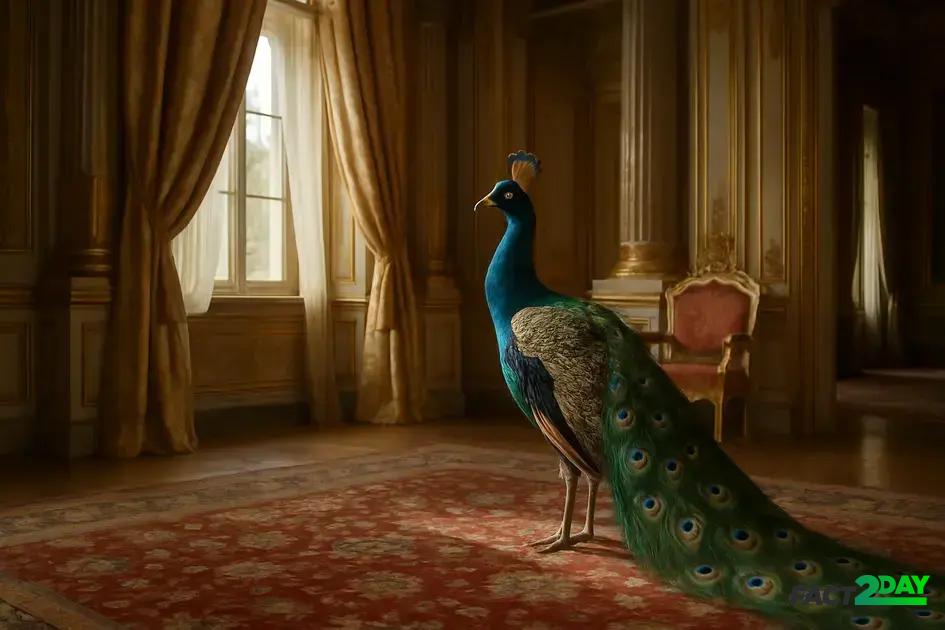
Royal Pets History reveals how monarchs used unique animals as symbols of power, companionship, and cultural influence, shaping art, loyalty stories, and modern royal traditions.
Have you ever wondered about the secret lives of royal pets? The Royal Pets History is filled with surprising tales of quirky companions who quietly influenced kings and queens. Let’s explore these fascinating creatures together.
the unusual pets of royalty through time
Throughout history, royalty have often chosen unusual pets that went beyond common animals like dogs or cats. From exotic birds to wild beasts, these creatures not only served as companions but also demonstrated power and prestige. For example, Queen Elizabeth I famously kept a collection of rare monkeys and lapdogs, while Tsar Peter the Great of Russia had a fondness for camels and Italian greyhounds. Exotic pets such as cheetahs and even lions were sometimes kept by kings to showcase their status and strength.
Examples of royal unusual pets
In ancient Egypt, pharaohs admired cats but also kept creatures like crocodiles as sacred animals. Empress Dowager Cixi of China owned a giant panda, which was highly rare and symbolized imperial favor. King Henry VIII had an elephant at his court, a rarity in Europe at the time that amazed visitors. These extraordinary choices often highlighted a monarch’s global influence or represented diplomatic gifts from other lands.
Symbolism and impact
Unusual royal pets symbolized more than companionship; they were a clear sign of wealth, power, and connection to distant realms. Many of these animals appeared in artwork, currency, and literature, reinforcing the image of a sovereign who commanded both nature and people. The fascination with exotic species also sparked early interest in zoology and animal husbandry, influencing how animals were cared for beyond the royal courts.
Today, the legacy of these unusual pets remains, inspiring museums and stories that celebrate the strange and wonderful relationships between royalty and their animal companions.
royal pets as symbols of power and status
Royal pets have long been more than just companions; they serve as symbols of power and status within courts around the world. Kings and queens chose animals that represented their wealth, influence, and political might. Exotic pets were often gifts from foreign dignitaries, signaling alliances and diplomatic ties.
The symbolism of royal animals
Animals like lions, eagles, and peacocks were frequently associated with royalty because they embodied strength, courage, and beauty. For example, the lion became a royal emblem in many European countries, representing bravery and nobility. Similarly, peacocks symbolized immortality and vanity in various cultures, making them favored royal pets.
How pets reflected social hierarchy
The presence of rare and exotic pets in royal courts was a clear marker of a monarch’s social rank. The more unique and expensive the animal, the higher the prestige. Some rulers kept lavish menageries showcasing animals from distant lands to impress their subjects and visitors. These collections underscored the ruler’s ability to command resources and control nature.
For instance, the Mughal emperors of India maintained extensive gardens housing an array of exotic animals, which became an expression of imperial grandeur. Meanwhile, European monarchs commissioned portraits including their beloved animals to emphasize their personal luxury and power.
Enduring legacy
Royal pets as status symbols influenced cultural traditions beyond the palace. They inspired art, literature, and folklore that celebrated the grandeur of royalty. Even today, the fascination with royal animals persists, reminding us how these creatures once reinforced the majesty and authority of their owners.
stories of loyalty and intelligence among royal animals
Royal animals are often remembered not just for their status but for their remarkable loyalty and intelligence. Many stories from history tell of pets that showed incredible devotion to their royal owners. These animals sometimes performed acts that went beyond companionship, protecting or assisting their humans in times of need.
Notable examples of loyal royal pets
One famous example is Greyfriars Bobby, a Skye Terrier who loyally guarded his owner’s grave in Edinburgh for years. While not a royal pet, this story highlights the kind of loyalty celebrated in animals close to power. Among actual royal pets, Queen Victoria’s dogs were known for their close bond and intelligence, often participating in court life and showing remarkable obedience and affection.
Intelligence in action
Some royal pets demonstrated their intelligence in surprising ways. For instance, King Louis XIV of France had spaniels trained to perform tricks that entertained guests and showed off the king’s refined tastes. Similarly, the Ottoman Sultan’s hunting falcons were prized for their skill and training, representing both power and the deep understanding of animal behavior by their handlers.
The loyalty and intelligence of royal animals strengthened the bond between monarchs and their pets, sometimes influencing decisions and daily routines in court life. These stories contribute to the legacy of royal pets as more than status symbols—they were loved, trusted companions.
how royal pets influenced art and culture
Royal pets have had a significant impact on art and culture throughout history. These animals often appeared in portraits, sculptures, and tapestries, symbolizing the royalty’s taste, power, and personal connections. Their presence in artworks helped immortalize not only the pets themselves but also their owners’ status and personality.
Pets in royal portraits
Many famous paintings feature royal pets alongside monarchs. For example, King Charles II of England was often shown with spaniels, reflecting both the king’s affection for dogs and the fashionable status of the breed. These pets added warmth and humanity to portraits, making rulers appear more relatable and approachable.
Cultural influence beyond the palace
The influence of royal pets extended beyond visual art into literature, theater, and music. Stories and poems celebrated the loyalty and charm of these animals, shaping public perceptions of monarchy. In some cultures, royal pets inspired fashion trends, such as collars or decorative accessories, setting styles for everyday citizens.
Royal pets also influenced design in royal gardens and public parks, where animals were kept to showcase the monarchy’s connection to nature and beauty. This tradition helped popularize animal collections and zoos, contributing to the broader cultural appreciation of exotic and domestic animals.
the care and legacy of royal animals
The care of royal animals was a serious responsibility, often involving skilled attendants and extensive resources. Royal households employed specialized staff, including veterinarians, trainers, and caretakers, to maintain the health and well-being of these treasured companions. Their diets were carefully managed, and many animals received ornate accessories and comfortable living spaces.
Dedicated care for royal pets
Monarchs valued their pets deeply, sometimes commissioning custom meals or medicines to ensure their animals thrived. For example, in the Tudor courts, royal dogs were often fed game and special broths. The dedication to animal care reflected the importance these pets held not only as companions but as symbols of the royal presence.
The legacy of royal animals across time
The legacy of royal animals extends beyond their lifetimes through stories, art, and preserved remains. Many royal pets have been celebrated in literature and preserved in museums, serving as enduring reminders of the bond between monarchs and their animals. These legacies influence modern animal care practices and the public’s admiration for royal pets.
Additionally, the tradition of royal pet care helped set standards for animal welfare in society, inspiring innovations in veterinary science and husbandry. Some royal menageries evolved into public zoos, making the exotic animals once reserved for royalty accessible to wider audiences.
modern royal pets and their historical roots
Modern royal pets continue the long tradition of companionship, often drawing from historical roots and royal preferences. Today’s monarchs keep pets that reflect a blend of tradition and personal style. For example, Queen Elizabeth II was famously known for her love of Pembroke Welsh Corgis, a breed that became synonymous with her reign.
Connections to history
Many modern royal pets have historical significance or breed origins linked to earlier royal courts. This connection ties present-day royalty to their past, showing continuity in their bond with animals. Breeds like the Corgi in the UK or Shih Tzu in China highlight this heritage of royal pet selection.
Modern roles and public perception
Today, royal pets play roles beyond companionship. They are often featured in media and public appearances, symbolizing warmth and relatability. They help humanize monarchs, bridging the gap between the royal family and the public. This ongoing tradition connects the past with contemporary culture.
The care and visibility of modern royal pets continue to influence pet trends worldwide. Fashion and accessories inspired by royal animals are popular, reflecting their cultural significance. This legacy shows that royal pets remain influential figures, just like their historical predecessors.
Reflecting on the lasting impact of royal pets
Royal pets have played unique and meaningful roles throughout history, symbolizing power, loyalty, and culture. From exotic animals to beloved companions, these pets shaped royal life and influenced art, society, and traditions.
Today’s royal pets continue to carry this legacy, connecting the past with the present. Their stories remind us of the deep bond between humans and animals, as well as the ways pets can reflect identity and status.
By exploring the fascinating lives of royal pets, we gain insight into history, culture, and the enduring love people have for their animal companions.