Life in Abandoned Underground Mines
Discover the fascinating world of subterranean ecosystems thriving in abandoned underground mines, where life adapts in quiet, shadowy realms.
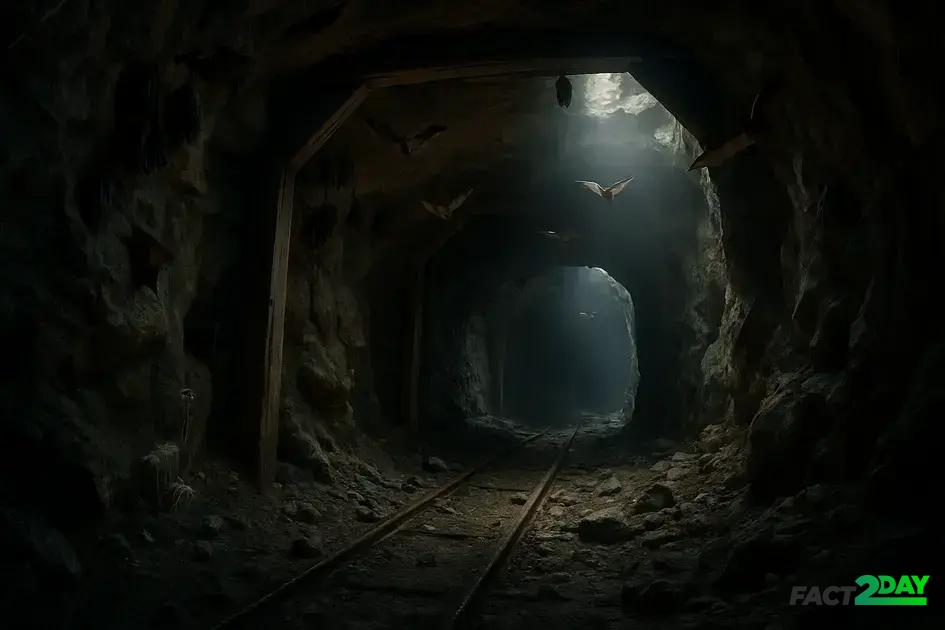
Subterranean ecosystems in abandoned underground mines consist of unique life forms and microorganisms adapted to dark, nutrient-poor environments, relying on chemosynthesis and organic matter, with fragile habitats affected by human activity and requiring targeted conservation and research efforts.
Have you ever wondered about the hidden world beneath our feet? Subterranean ecosystems in abandoned underground mines offer a mysterious glimpse into life adapting far from light and noise. Join me as we explore these quiet realms together.
what are subterranean ecosystems?
Subterranean ecosystems are natural environments located beneath the Earth’s surface, including caves, underground rivers, and abandoned mines. These ecosystems host a variety of organisms adapted to live in dark, nutrient-poor, and often humid conditions. Unlike surface ecosystems, they rely largely on energy sources other than sunlight, such as organic material carried underground or chemical reactions from the rocks.
In these places, you will find specialized creatures like blind fish, cave beetles, and fungi that thrive without light. They have evolved unique features to survive, such as enhanced senses or slow metabolism. Microorganisms play a crucial role by breaking down organic matter and supporting the food web.
Key Characteristics
- Absence of sunlight, which limits photosynthesis.
- Stable temperature and humidity throughout the year.
- Limited nutrient availability requiring adapted survival strategies.
- High endemism, meaning many species are found only in certain subterranean locations.
Understanding subterranean ecosystems helps scientists learn more about biodiversity and resilience in extreme conditions. These hidden worlds also provide clues about life on other planets, where sunlight might not penetrate.
the unique environment of abandoned mines
Abandoned underground mines create a rare and unique environment that differs significantly from natural caves. These man-made structures often have extensive networks of tunnels, varying in size and shape, which affect airflow, moisture, and temperature differently than natural subterranean settings.
The walls of these mines are typically made of exposed rock and minerals, offering different chemical compositions that influence the types of organisms able to survive. Water seeping into tunnels can carry minerals, creating microhabitats rich in dissolved nutrients.
Environmental conditions
- Stable temperatures: Mines generally maintain a cool and steady temperature year-round, protecting species from extreme weather variations.
- High humidity: Moisture levels remain consistently high due to groundwater and limited ventilation, favoring fungi and bacteria growth.
- Limited light: With no natural light penetrating deep inside, photosynthesis is impossible, so ecosystems rely on organic material that is transported in.
- Variable oxygen levels: Some tunnels may have reduced oxygen, requiring adaptations for animal survival.
The distinctive physical and chemical factors of abandoned mines offer a challenging yet valuable habitat. Many species have evolved to utilize this environment, making it a fascinating subject of study for biologists and ecologists.
diverse creatures living underground
Abandoned underground mines harbor a wide variety of unique creatures adapted to the dark, nutrient-limited environment. These organisms have evolved special traits to survive where sunlight never reaches. Among the most common residents are bats, which use echolocation to navigate and hunt insects in pitch-black tunnels.
Other inhabitants include cave-adapted insects like beetles and crickets that have lost or reduced eyesight but developed enhanced senses of touch or smell. There are also small crustaceans and fish that live in underground pools, many of which are blind and rely on other senses to find food.
Fungi and Microorganisms
Fungi play a vital part in sustaining life underground by decomposing organic materials that wash in. Microscopic bacteria and archaea thrive in these dark habitats, some even feeding on minerals in the rocks. These microbes form the base of the food chain and create complex ecosystems.
Adaptations for underground life include slower metabolism, longer lifespans, and the ability to survive with low oxygen. These creatures thrive in stable temperatures and high humidity typical of mine tunnels.
how subterranean ecosystems survive
Subterranean ecosystems survive through unique strategies adapted to the absence of sunlight and limited nutrients. Instead of relying on photosynthesis, many depend on organic matter carried from the surface by water or animals. This material feeds a variety of microorganisms that form the base of the underground food web.
Energy sources and food webs
In these dark habitats, microbes break down organic compounds, recycling nutrients and sustaining diverse life forms. Some bacteria even gain energy from chemical reactions involving minerals, a process called chemosynthesis. These adaptations are critical for the survival of plants and animals in such harsh environments.
Animals in subterranean ecosystems often have slower metabolisms and can survive long periods with little food. Many have developed sensory adaptations, like enhanced smell or touch, to locate scarce resources. Bats, for example, visit these areas temporarily and contribute organic matter through their droppings.
Water plays an essential role, transporting nutrients and oxygen to resident organisms. Stable temperature and high humidity also help maintain conditions for survival. Together, these factors create a balanced, self-sustaining ecosystem despite extreme limitations.
the role of fungi and microbes
Fungi and microbes are essential components of subterranean ecosystems in abandoned mines. These tiny organisms form the foundation of the underground food web by breaking down organic matter that arrives from the surface. Without them, nutrient cycling and energy flow would be impossible in these dark, isolated habitats.
Functions of fungi
Fungi decompose dead plant and animal material, releasing nutrients back into the environment. They thrive in the cool, moist conditions typical of mine tunnels. Some fungi also form symbiotic relationships with bacteria and other microorganisms, creating complex communities.
Microbial diversity and processes
A wide variety of bacteria and archaea live in subterranean ecosystems. Some obtain energy through chemosynthesis, converting minerals into usable forms of energy. These microbes help detoxify harmful substances, improving the environment for other species.
Microbes contribute to biogeochemical cycles by transforming elements like carbon, nitrogen, and sulfur. Their metabolic activities shape the chemical makeup of underground habitats and support higher organisms like insects and small animals.
impacts of human activity on underground life
Human activities have significant impacts on subterranean ecosystems, especially in abandoned underground mines. Mining operations often alter the physical structure of habitats, changing airflow, water flow, and temperature patterns, which can disrupt the delicate balance that underground species depend on.
Pollutants such as heavy metals and chemicals from mining can leach into water systems, contaminating habitats and harming sensitive organisms. These pollutants accumulate in the food chain, affecting not only microorganisms but also insects, fish, and bats.
Disturbance and habitat loss
Human access to mines can disturb resident wildlife, especially species like bats that are sensitive to noise and light. Habitat destruction through the collapse of tunnels, flooding, or deliberate sealing of mines reduces available living space and can isolate populations, increasing their risk of extinction.
Additionally, climate change caused by human activity impacts subterranean environments by altering surface temperatures and water availability, indirectly affecting underground ecosystems.
conservation and future research directions
Conservation of subterranean ecosystems in abandoned mines is crucial for preserving biodiversity and maintaining ecological balance. These habitats often house species found nowhere else, making them unique natural treasures. Protecting caves and mine tunnels from disturbance helps support the survival of delicate organisms.
Key conservation strategies
- Limiting human access to sensitive areas to reduce habitat disruption.
- Monitoring water quality to prevent pollution and contamination.
- Restoring damaged tunnels where feasible to improve habitat conditions.
- Raising awareness about the importance of subterranean ecosystems among local communities and policymakers.
Future research is focused on better understanding these complex environments and their inhabitants. Scientists aim to discover new species, study ecological interactions, and assess impacts of changing climates and human activities.
Advanced technologies like environmental DNA sampling and remote sensors aid in non-intrusive monitoring. This knowledge can drive effective conservation plans that balance human interests with ecosystem health.
Understanding and Protecting Subterranean Ecosystems
Subterranean ecosystems in abandoned mines are fascinating worlds full of unique life forms and complex interactions. These hidden habitats show how life can adapt to extreme conditions without sunlight and with limited resources.
Protecting these ecosystems is important because they support rare species and help us learn about biodiversity and survival. Ongoing research and conservation efforts can ensure these underground environments stay healthy for future generations.
By appreciating the value of subterranean life and reducing human impacts, we can help preserve these mysterious places and the life they support.