Night Butterflies That Pollinate in Darkness
Discover the fascinating world of nocturnal pollinators and how night butterflies quietly sustain ecosystems in darkness.
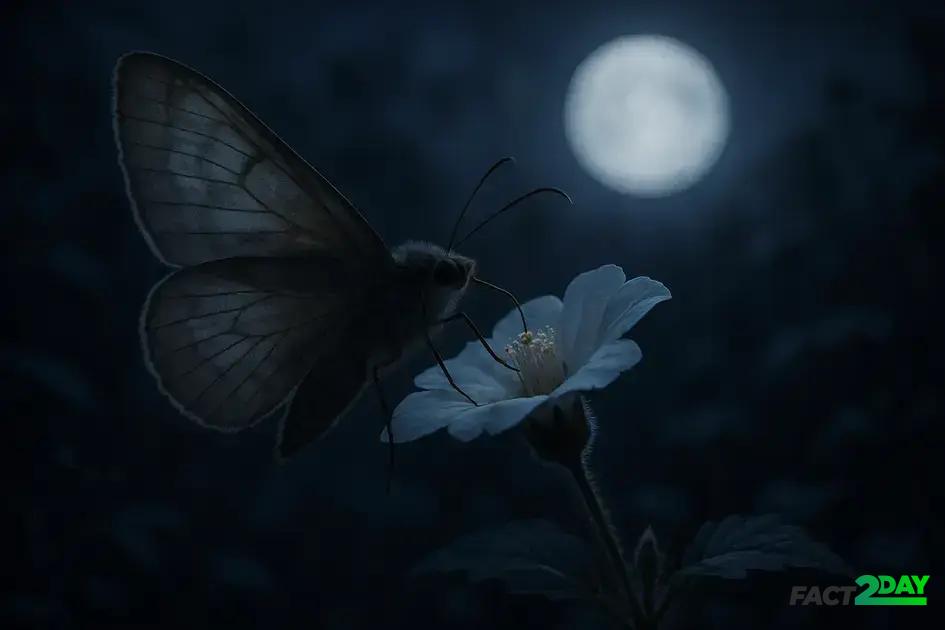
Nocturnal pollinators, such as night butterflies and moths, enable the reproduction of night-blooming plants by using specialized adaptations like enhanced vision and scent detection to efficiently transfer pollen in the dark.
Have you ever wondered about the mysterious creatures that help flowers bloom under the cover of darkness? Nocturnal pollinators, like night butterflies, play a quiet but crucial role in spreading life when most of us are asleep. Let’s explore their hidden world together.
what are nocturnal pollinators and why they matter
Nocturnal pollinators are animals that visit flowers to collect nectar or pollen during the night. Unlike daytime pollinators like bees and butterflies, these creatures work in darkness, helping plants reproduce when most other pollinators are inactive. They include moths, bats, beetles, and some night-active butterflies.
Night pollinators are important because many plants have evolved to bloom at night or release scents only in the dark, targeting these visitors. Without nocturnal pollinators, certain plants could fail to reproduce, putting entire ecosystems at risk.
How nocturnal pollination works
These pollinators rely on their senses, such as smell and touch, more than vision. Flowers that open at night tend to be pale or white and often emit strong fragrances to attract them. As nocturnal pollinators move from flower to flower searching for food, they transfer pollen and enable fertilization.
Ecological benefits
Nocturnal pollinators support the survival of diverse plant species, creating food sources for other animals too. For example, bats that pollinate also help control insect populations. This chain of interactions maintains balance in nature’s nighttime environment.
Understanding the value of nocturnal pollinators helps us appreciate the delicate relationships that keep ecosystems healthy. Protecting them ensures plants continue to flourish, supporting wildlife and human needs alike.
how night butterflies contribute to pollination
Night butterflies are unique nocturnal pollinators that play a key role in transferring pollen between plants during the dark hours. Unlike their daytime relatives, they have specialized adaptations allowing them to navigate and locate flowers at night.
Adaptations for night pollination
These butterflies have larger eyes that enhance their vision in low light. They also rely heavily on their sense of smell to find nectar-rich flowers. Their wings are often muted in color, helping them stay camouflaged while flying at night.
Pollination process
When night butterflies visit flowers to feed, pollen sticks to their bodies and legs. As they move to the next flower, they unknowingly transfer this pollen, helping plants fertilize and produce seeds. Many flowers that bloom at night have pale colors or emit strong scents to attract these visitors.
Impact on ecosystems
By supporting plant reproduction, night butterflies help maintain the health of their ecosystems. Their pollination activity supports fruit production, which feeds other wildlife. This creates a ripple effect, nurturing biodiversity and balance throughout nighttime habitats.
Understanding how night butterflies contribute to pollination reveals the interconnectedness of species and the importance of protecting these nocturnal creatures.
adaptations that allow butterflies to fly and pollinate at night
Night butterflies have evolved several adaptations that enable them to fly and pollinate effectively in the darkness. Their eyes are larger and more sensitive to low light, allowing them to navigate and locate flowers at night. Unlike daytime butterflies, night species have specialized visual cells that enhance their night vision.
Enhanced sensory abilities
In addition to improved eyesight, night butterflies rely heavily on their sense of smell. Their antennae are adapted to detect strong floral scents released by night-blooming flowers, guiding them to sources of nectar even in complete darkness.
Wing structure and coloration
The wings of night butterflies tend to have muted or pale colors, which provides camouflage while flying in a low-light environment. Their wing scales can also reflect moonlight subtly, which may assist in communication and mate attraction without making them too visible to predators.
Flight behavior
Night butterflies often have slower, more deliberate flight patterns to avoid predators in the dark. Their ability to hover and land gently on flowers helps in efficient nectar feeding and pollen transfer.
These adaptations make night butterflies vital agents in nocturnal pollination, ensuring that certain plants receive the care they need to reproduce when daylight pollinators rest.
the types of plants that depend on nocturnal pollinators
Many plants rely specifically on nocturnal pollinators such as night butterflies, moths, and bats to reproduce. These plants have evolved unique features to attract their nighttime visitors, ensuring pollination when daytime pollinators are not active.
Characteristics of night-blooming plants
Plants that depend on nocturnal pollinators often have pale or white flowers, making them more visible in low light. These flowers tend to open at dusk and release strong, sweet fragrances that attract night pollinators from afar.
Examples of plants pollinated at night
Common night-pollinated plants include many species of cacti, jasmine, yucca, and some fruit trees like mango and durian. These plants rely on the activity of nocturnal pollinators to transfer pollen and produce fruits.
Ecological importance
By depending on nocturnal pollinators, these plants maintain biodiversity and support food chains that depend on their fruits and seeds. This interaction highlights the delicate balance between plants and animals in nighttime ecosystems.
Overall, the relationship between nocturnal pollinators and night-blooming plants showcases specialized evolution and mutual benefits that sustain many natural habitats.
the role of scent and light in night pollination
Scent and light are two crucial factors that help nocturnal pollinators locate flowers in the dark. Since night pollinators cannot rely heavily on bright daylight, plants have adapted to use these signals to attract them.
The role of scent
Many night-blooming flowers release strong, sweet fragrances after sunset. These scents travel through the cool night air, guiding pollinators like moths and night butterflies toward the nectar source. The scent acts as a beacon in the darkness, ensuring pollinators find the flowers even when they can’t see them clearly.
The role of light
While light is limited at night, some flowers use pale or white colors to stand out under moonlight and starlight. This subtle reflection makes them more visible to nocturnal pollinators. Additionally, some plants produce UV patterns visible to insects, helping guide them to the nectar.
Pollinator sensitivity
Nocturnal pollinators have evolved sensitive antennae and eyes that can detect even faint scents and low light. This heightened sensitivity allows them to efficiently find food sources and pollinate plants under challenging nighttime conditions.
Together, scent and light form an effective communication system between plants and nocturnal pollinators, supporting vital ecosystem processes at night.
how nocturnal pollinators affect biodiversity
Nocturnal pollinators play a vital role in supporting biodiversity by enabling the reproduction of many plant species that bloom or are active at night. Their pollination activities help maintain diverse plant communities, which in turn support various animals and insects.
Supporting plant diversity
By transferring pollen, nocturnal pollinators ensure the survival of a variety of plants, including rare and specialized species. This diversity of plants creates habitats and food sources for other wildlife, sustaining entire ecosystems.
Impact on food chains
Plants pollinated by nocturnal animals produce fruits and seeds that feed birds, mammals, and insects. For example, bats that pollinate flowers also help control pests, showing a balance maintained through multiple interactions.
Maintaining ecosystem stability
The presence of nocturnal pollinators contributes to ecosystem resilience. They help ecosystems recover from disturbances by supporting continuous plant reproduction and genetic diversity.
Protecting nocturnal pollinators is crucial for preserving biodiversity and the health of natural environments.
ways to protect and support nocturnal pollinators
Protecting and supporting nocturnal pollinators is essential for maintaining healthy ecosystems and biodiversity. Simple actions can create safe environments where these pollinators thrive and continue their important work.
Create nocturnal-friendly habitats
Plant night-blooming flowers that produce strong fragrances and pale colors, such as jasmine and yucca. These provide food and shelter for nocturnal pollinators like moths and night butterflies.
Reduce artificial light pollution
Limit outdoor lighting at night or use pollinator-friendly lights with lower intensity and warmer colors. Excessive artificial light can disorient nocturnal pollinators and disrupt their natural behaviors.
Avoid pesticides and chemicals
Use organic gardening methods and reduce pesticide use, especially at night when nocturnal pollinators are active. Chemicals can be harmful and reduce pollinator populations.
Support conservation efforts
Participate in or donate to organizations focused on protecting nocturnal insects and their habitats. Advocating for policies that limit habitat destruction also helps these species survive.
By understanding and acting on these methods, we can help ensure nocturnal pollinators continue to support plant reproduction and biodiversity.
observing night butterflies safely and respectfully
Observing night butterflies requires care to avoid disturbing their natural behavior. These delicate creatures are essential nocturnal pollinators, and respecting their space helps protect local ecosystems.
Use low, dim lighting
When watching night butterflies, use soft red or amber lights that are less disruptive. Bright white lights can scare them away or confuse their navigation.
Keep a safe distance
Maintain a respectful distance to avoid touching or startling the butterflies. Use binoculars or cameras with zoom lenses to observe closely without interference.
Avoid handling
Handling butterflies can damage their fragile wings and harm their health. Enjoy their presence without physical contact.
Minimize noise and movement
Move slowly and quietly to reduce stress on nocturnal pollinators. Sudden movements and loud noises might cause them to flee.
By following these practices, you support the well-being of night butterflies while enjoying a unique and peaceful experience in nature.
Understanding and protecting night butterflies
Night butterflies and other nocturnal pollinators play an important role in nature by helping plants grow and ecosystems thrive. Their unique adaptations allow them to work quietly in the dark, supporting biodiversity in ways many people do not see.
By learning how to protect their habitats, reduce light pollution, and observe them respectfully, we can help ensure these creatures continue their vital work for generations to come.
Appreciating the hidden world of nocturnal pollinators opens our eyes to the delicate balance of life at night and the simple steps we can take to keep it strong.