When Volcanoes Create Their Own Lightning Storms
Volcanic lightning is a fascinating natural phenomenon where volcanoes generate their own storm. Discover how this rare spectacle unfolds high above molten lava.
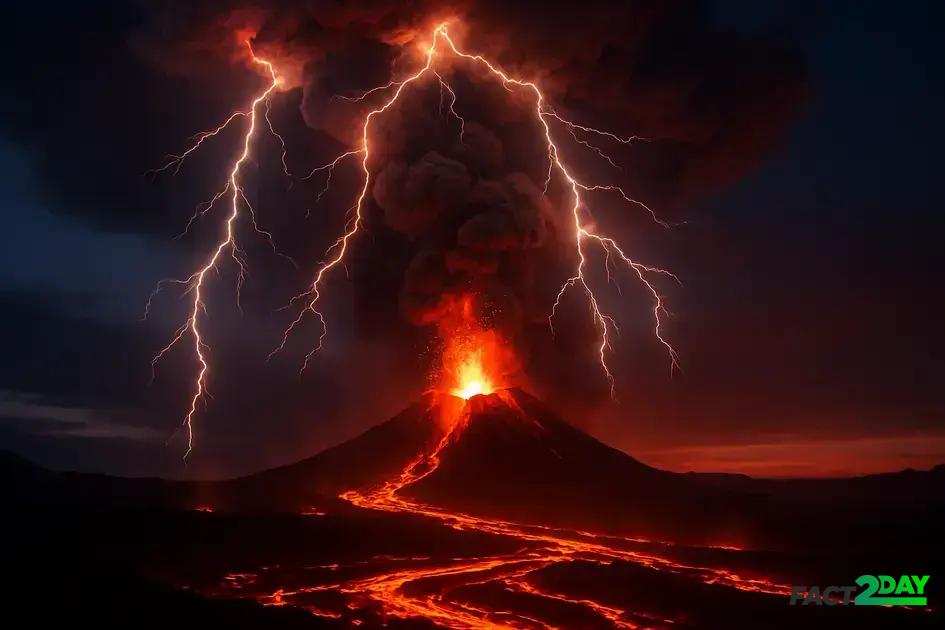
Volcanic lightning occurs when ash particles and volcanic gases collide during an eruption, generating static electricity that causes powerful lightning storms inside volcanic plumes.
Have you ever wondered how a volcano can create its own lightning storm? Volcanic lightning is a captivating dance of nature’s power, blending fire and electricity in unpredictable ways. Let’s explore this rare and spectacular phenomenon together.
how volcanic lightning forms during eruptions
Volcanic lightning forms during eruptions due to the intense interaction of volcanic ash, rock fragments, and gases. When a volcano erupts, it releases a massive plume filled with charged particles. These particles collide and rub together, generating static electricity much like a storm cloud.
The role of particle collisions
As ash and other tiny particles jostle inside the eruption cloud, they become electrically charged through friction. This process, called triboelectric charging, creates pockets of positive and negative charges within the plume.
Charge separation and lightning discharge
Over time, the separation of charges grows larger, increasing electrical tension inside the ash cloud. When the voltage difference is high enough, it causes a sudden discharge—lightning bolts that flash within or near the volcanic column.
This lightning is visually spectacular, often appearing as brilliant flashes swirling amidst thick smoke and glowing lava.
Environmental factors influencing volcanic lightning
Weather conditions, eruption size, and the composition of ejected particles can affect how volcanic lightning forms. Storms with high ash concentration and fine particle sizes generate more frequent and intense lightning strikes.
the role of ash and particles in creating electrical storms
The ash and particles released during a volcanic eruption play a crucial role in creating electrical storms. These tiny fragments of rock, minerals, and glass are propelled high into the atmosphere, carrying electric charges that contribute to lightning formation.
How particles become charged
As ash clouds rise, particles collide at high speeds, generating static electricity through friction. This process, known as triboelectric charging, causes some particles to gain electrons and become negatively charged while others lose electrons and become positively charged.
Charge separation and cloud dynamics
The upward movement of hot gases and ash helps separate these charges within the volcanic plume. Lighter, negatively charged particles tend to rise higher, while heavier, positively charged ones settle lower, increasing the electrical difference inside the cloud.
Triggering volcanic lightning
When the electrical tension between these separated charges becomes strong enough, it discharges as a spectacular flash of lightning. This lightning can occur within the ash cloud or strike the ground, creating a striking visual display above the erupting volcano.
The amount and size of ash particles influence how frequent and intense these electrical storms will be, making some eruptions more electrically active than others.
observing volcanic lightning safely and what to expect
Observing volcanic lightning can be awe-inspiring, but safety must come first. Volcanic eruptions release dangerous gases, ash, and lava, so staying at a safe distance is essential. Experts recommend observing from designated viewing points or protected areas to avoid harmful effects.
Using protective gear
When near volcanic activity, wearing masks helps prevent inhaling fine ash particles. Eye protection also guards against flying debris. Staying informed through official updates ensures you know when conditions are safe for observation.
What to expect during volcanic lightning
Volcanic lightning often appears as sudden, bright flashes within thick ash clouds above the eruption. These lightning bolts vary in size and can last a few seconds. Unlike typical storms, volcanic lightning is often accompanied by roaring sounds from the eruption and ash falling like snow.
Listening and watching carefully
Pay attention to the eruption’s behavior and weather changes. Volcanic lightning may intensify during strong explosions or changes in wind. Using binoculars or cameras with zoom features helps capture lightning safely from afar.
Remember that volcanic environments are unpredictable, so always follow guidance from local authorities, geologists, and emergency services to enjoy this natural wonder without risk.
scientific studies unraveling the mystery of volcanic lightning
Scientific studies have made great progress in unraveling the mystery of volcanic lightning. Researchers use advanced tools like high-speed cameras, sensors, and computer models to understand how electrical charges build up during eruptions.
Monitoring electrical activity
Scientists deploy specialized instruments around volcanoes to track lightning activity and measure the electrical field. This data helps reveal how ash particles interact and how charge separation occurs inside eruption plumes.
Laboratory simulations
Experiments recreate volcanic conditions by shaking volcanic ash in controlled environments. These tests show how friction between particles generates static electricity, confirming theories about charge generation.
Satellite and aerial observations
High-resolution satellites and drones capture volcanic lightning from above, providing a broader view of eruption dynamics and lightning patterns. This helps scientists predict when and where volcanic lightning might occur.
These combined methods have helped demystify volcanic lightning, improving safety forecasts and deepening our understanding of one of nature’s most striking phenomena.
how volcanic lightning differs from regular lightning
Volcanic lightning differs from regular lightning in several key ways. While both involve electrical discharges within clouds, volcanic lightning occurs inside plumes of ash and volcanic gases rather than typical storm clouds.
Source of charge generation
Regular lightning forms when ice particles inside thunderclouds collide, creating static electricity. In contrast, volcanic lightning arises from friction between volcanic ash particles and rock fragments, producing electrical charges in an ash cloud.
Appearance and environment
Volcanic lightning often appears amidst dense ash clouds, with flashes illuminating smoke and molten lava below. Regular lightning usually occurs in rain clouds and is accompanied by thunder and rainfall.
Duration and frequency
Volcanic lightning strikes are often brief but frequent during intense eruptions. Regular lightning follows weather patterns and storms, with varying frequencies depending on atmospheric conditions.
Hazards and observation
Volcanic lightning presents added risks due to volcanic ash and toxic gases. Observing it requires specific safety measures. Regular lightning hazards come from thunderstorm activity and are more widely predictable.
Understanding these differences helps scientists better study volcanic phenomena and improves safety for those near active volcanoes.
cultural impressions and myths about volcanic lightning
Volcanic lightning has fascinated cultures worldwide, inspiring legends and myths that reflect human attempts to understand this powerful natural event. Across different societies, volcanic lightning was often seen as a sign from the gods or an omen of great change.
Ancient beliefs and mythology
Many ancient cultures believed volcanic lightning was a battle between fire gods or spirits. For example, some Polynesian stories describe volcanic storms as the gods’ anger being unleashed. These tales helped explain the sudden and intense power of volcanic eruptions.
Symbolism and interpretations
In some regions, volcanic lightning symbolized destruction and renewal. It was viewed as a reminder of nature’s force and the cycle of life, death, and rebirth. These interpretations often led to rituals or offerings to appease the forces behind the phenomena.
Modern cultural impacts
Today, volcanic lightning continues to inspire art, literature, and photography. It symbolizes awe and the dramatic beauty of natural processes. Scientists and storytellers alike share the wonder behind volcanic lightning, blending facts with cultural heritage.
Understanding these cultural impressions deepens our appreciation of volcanic lightning beyond science, showing how it shapes human imagination and belief.
Understanding the power of volcanic lightning
Volcanic lightning is a rare and fascinating natural event that combines fire, ash, and electricity in a spectacular display. By studying how it forms and its cultural significance, we gain a deeper appreciation for this incredible phenomenon.
Whether observed safely from a distance or researched by scientists, volcanic lightning reminds us of nature’s power and mystery. Respecting its dangers while marveling at its beauty helps us connect with the forces that shape our planet.
Next time you hear about a volcanic eruption, remember the powerful lightning storms that can accompany it and the stories they inspire.