When Lightning Turns Sand Into Glass
Natural glass desert reveals nature's marvel where lightning transforms sand into shimmering glass strands, a mysterious dance of fire and earth.
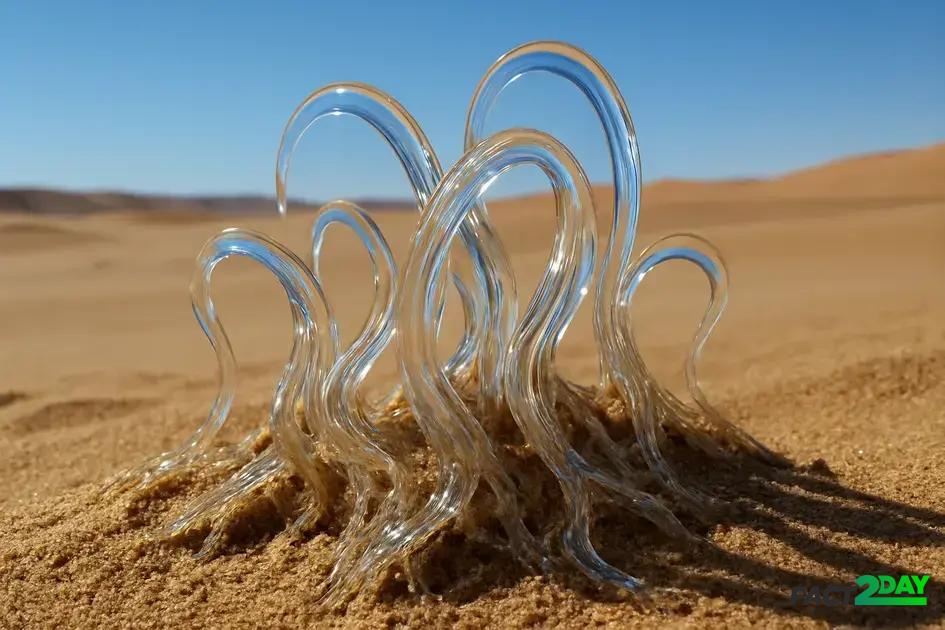
Natural glass deserts form when lightning or meteorite impacts melt silica-rich sand, creating unique glass formations like fulgurites and impact glass found in dry, sandy regions worldwide.
Natural glass desert is a curious wonder—have you ever thought about sand turning into glass, not in a factory, but by the touch of lightning? This rare event invites us to rethink nature’s hidden artistry in deserts.
what is natural glass desert?
A natural glass desert is a unique landscape where sand has been transformed into glass-like material through natural processes. This phenomenon occurs when extremely high temperatures melt the sand, causing it to fuse and cool into smooth, often translucent glass formations. These deserts showcase nature’s raw power and create fascinating geological features that look almost otherworldly.
Unlike man-made glass, which is produced by precise industrial methods, the glass in these deserts forms in a chaotic, organic way, usually triggered by intense heat sources such as lightning strikes or meteorite impacts. The resulting glass can appear in many shapes and sizes—sometimes resembling thin strands, sheets, or even solid chunks embedded in the sand.
Types of natural glass found in deserts
Common varieties include fulgurites, which are glass tubes created when lightning passes through sandy soil, and impact glasses formed when meteorites strike the Earth’s surface. These glasses not only have scientific value but also attract collectors and geologists interested in Earth’s dynamic processes.
Exploring a natural glass desert offers a glimpse into a fascinating natural event that blends geology, weather, and time into stunning, shiny sculptures made of earth. Understanding these deserts helps appreciate how fleeting and powerful natural forces can shape our planet’s surface.
how lightning creates glass in the desert
When lightning strikes the desert sand, it can create natural glass through an intense and rapid heating process. Lightning bolts carry temperatures higher than 30,000 kelvin, hot enough to melt the silica in sand instantly. This sudden melting fuses the sand particles into glass as the molten material cools quickly.
Fulgurites are the glass tubes formed by this process, created as lightning moves through the sand or soil. These hollow, root-like structures preserve the path of the electrical discharge, often branching irregularly like lightning itself.
The formation process
When lightning hits the sand’s surface, the enormous energy generates a superheated channel. The sand melts in this channel, and as the energy dissipates, the molten silica cools and solidifies into glass. This rapid cooling prevents crystals from forming, creating an amorphous, transparent, or translucent glass.
Fulgurites usually vary in size, from a few centimeters to several meters long, depending on the lightning’s strength and soil composition. The color of the glass can range from clear to green or brown, influenced by impurities in the sand.
This natural glass serves as a record of lightning strikes and reveals how extreme weather events can shape and transform the desert environment over time.
types of natural glass formed by lightning
Lightning forms several distinct types of natural glass in deserts, each with unique characteristics based on how the lightning interacts with the sand and soil. The most common and well-known type is fulgurite, which are glassy tubes or branches created when lightning melts silica-rich sand during a strike.
Fulgurites
Fulgurites vary in shape and size but often resemble roots or tubes formed as the lightning channels through the ground. They are hollow inside, preserving the exact path of the lightning strike. Their colors range from clear to white, brown, or green, depending on the minerals in the soil.
Impact glasses
Another category includes impact glasses, which are formed when meteorites hit the Earth’s surface with immense force, melting silica in the desert ground. This glass is usually found as solid chunks or layers mixed with crushed rock, and it can have distinct shiny or metallic textures.
Other varieties
There are less common glass types created by wildfires or volcanic activity, where intense heat melts surface minerals into natural glass. Each of these glasses tells a story about extreme natural forces shaping the desert environment.
Studying these varied forms of natural glass helps scientists better understand the dynamics of lightning and other high-energy events in nature.
scientific processes behind sand transformation
The transformation of sand into natural glass starts with extreme heat, often from lightning strikes or meteorite impacts. Silica, the main component of sand, melts when exposed to temperatures above 1,700°C (3,092°F). This melting changes the sand from solid grains into a molten state.
Rapid heating and cooling
When lightning passes through sand, it rapidly heats the silica and instantly melts it. This molten silica cools quickly, solidifying before crystals can form, resulting in an amorphous glass structure. The speed of cooling is crucial—it creates the unique smooth and translucent appearance of natural glass.
Fulgurite formation
During a lightning strike, high voltage electricity channels through the sand, creating narrow tubes known as fulgurites. These glassy tubes keep the shape of the lightning path and are usually hollow inside. Their irregular branching mimics the bolt’s route underground.
Impact melt glass
Meteorite impacts generate tremendous energy, melting desert sand and ground rock at the impact site. This melted material then cools and solidifies into impact glass, often mixed with crushed rock fragments. Such glasses can hold clues about the force and angle of the impact.
Overall, these scientific processes reveal how natural forces transform ordinary sand into rare and beautiful glassy structures.
where to find natural glass deserts
Natural glass deserts can be found in various parts of the world where conditions allow sand to be transformed by intense heat events like lightning strikes or meteorite impacts. These deserts typically have dry, sandy environments rich in silica.
Known locations of natural glass deserts
One famous example is the Jebel Hadid area in the Sahara Desert, where glass deposits formed from ancient meteorite impacts. The Australian Nullarbor Plain is also known for its natural glass, including large, smooth, glassy chunks spread across its vast desert floor.
In the United States, the Great Basin Desert contains fulgurites—glass tubes created by lightning. Other deserts with documented natural glass include parts of the Arabian Peninsula and regions of Central Asia.
Finding fulgurites
Fulgurites, the hollow glass tubes produced directly from lightning strikes, can generally be found in sandy deserts, often buried just beneath the surface. Collectors and scientists often search areas where lightning activity is high and the soil contains pure silica content.
These locations offer rare and beautiful natural glass specimens and reveal the powerful geological processes that shape these arid landscapes over time.
ecological significance of natural glass deserts
Natural glass deserts play an important role in their ecosystems, even though they might seem barren at first glance. The presence of natural glass affects soil properties, water retention, and habitat structure, influencing the plants and animals that can survive in these areas.
Impact on soil and plants
The glass particles in the soil can change how water drains and is held, often creating microhabitats that support certain desert plants adapted to these conditions. Some plants benefit from the glass’s ability to reflect sunlight, reducing soil temperature and helping conserve moisture.
Habitat for desert life
Natural glass formations provide shelter and camouflage for small desert creatures such as insects, lizards, and rodents. The glassy surfaces can also influence the behavior of animals by affecting heat absorption and reflection in the desert environment.
Scientific importance
Studying these glassy deserts helps ecologists understand how extreme environmental factors shape life. Natural glass can also act as a record of past climate conditions and natural events such as lightning frequency and meteorite impacts.
Overall, natural glass deserts are more than just geological wonders—they contribute to the delicate balance of desert ecosystems and provide key insights into Earth’s natural history.
capturing natural glass deserts in photography
Photographing natural glass deserts requires understanding the unique features of these landscapes and how light interacts with the glass formations. Early morning or late afternoon provides the best natural light to capture the shimmering textures and colors of glass created by lightning.
Choosing the right equipment
A DSLR or mirrorless camera with a macro lens is ideal for close-up shots of fulgurites or glass shards. A tripod helps stabilize the camera for longer exposures in low light. Polarizing filters can reduce glare, enhancing the glass’s natural shine and depth.
Techniques for capturing glass details
Use a low angle to capture reflections and textures on the glass surface. Experiment with focus stacking to keep both the glass and surrounding sand sharp. Adjust aperture for depth of field while maintaining enough light sensitivity to reveal subtle colors.
Safety and environmental considerations
Be mindful of fragile desert ecosystems when exploring for glass formations. Stay hydrated and protect yourself from sun exposure. Avoid disturbing the natural glass or surrounding plants and wildlife while photographing.
With patience and care, photographers can reveal the extraordinary beauty of natural glass deserts, showcasing how lightning’s power transforms the earth into sparkling art.
Understanding the wonder of natural glass deserts
Natural glass deserts show us the amazing power of nature, where lightning and meteorites turn simple sand into beautiful glass formations. These deserts are not only fascinating to explore but also hold important clues about Earth’s natural processes.
By learning about how natural glass forms and where to find it, we can appreciate these rare landscapes more deeply. Whether you’re a scientist, photographer, or nature lover, natural glass deserts offer a unique glimpse into the dynamic forces shaping our planet.
Exploring and capturing the beauty of these deserts helps connect us with the raw energy and creativity of nature. So, next time you think of deserts, remember the hidden glass wonders waiting to be discovered.