Do Northern Lights Make Sound Under the Sea?
Underwater auroras might reveal if the mysterious northern lights make sounds beneath ocean waves. Let’s explore this captivating phenomenon together.
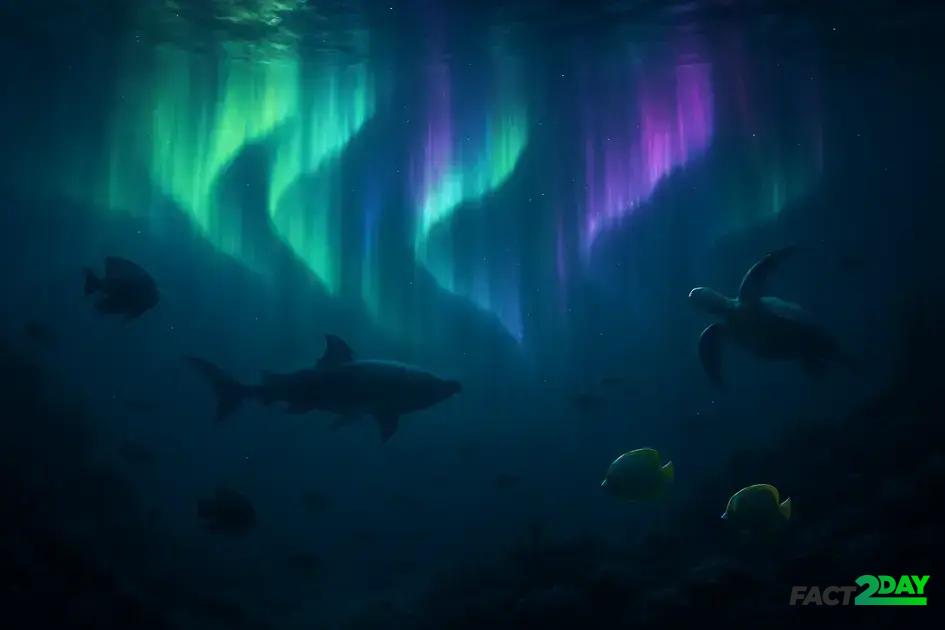
Underwater auroras are glowing and subtle sound phenomena caused by bioluminescent marine life and electromagnetic interactions from northern lights affecting ocean waters, creating unique visual and acoustic effects beneath the sea.
Have you ever wondered if the dazzling display of the northern lights also creates sounds underwater? Underwater auroras invite us to explore this enchanting blend of light and sound beneath the waves—an experience that many might never have imagined.
what are underwater auroras?
Underwater auroras refer to the stunning visual effects created beneath the ocean’s surface that resemble the famous northern lights seen in the sky. These glowing displays occur when charged particles from solar winds interact with the Earth’s magnetic field and atmosphere, sometimes extending their influence over the water. Unlike the atmospheric auroras, underwater versions are largely caused by bioluminescent marine life and the way light refracts and scatters in the ocean environment.
How Bioluminescence Creates the Effect
Many sea creatures, like certain types of plankton, jellyfish, and fish, produce light through bioluminescence. This natural chemical reaction emits a soft, colorful glow that can mimic the swirling lights of an aurora borealis. When currents or movement disturb these organisms, they create shimmering patterns and glowing trails that dance beneath the waves.
Role of Light and Water Interaction
The ocean surface acts as a lens, bending the light from above and spreading it underwater in unique ways. This interaction can enhance the visibility of natural lights underwater, blending with the bioluminescent glow to create breathtaking aurora-like visuals. The depth, clarity, and movement of water all affect how vivid and dynamic these lights appear.
These underwater auroras are often observed in regions closer to the poles but can occur wherever conditions support both bioluminescence and sufficient light penetration. While they don’t come from the solar-charged particles directly under the sea, the mix of marine life and light transport inspires wonder, showing how nature’s beauty extends beyond our everyday sight.
how northern lights interact with ocean waters
The northern lights, or aurora borealis, are caused by charged particles from the sun colliding with Earth’s magnetic field. When these particles reach the polar regions, they create stunning light displays in the sky. But how do they affect ocean waters? Though these lights happen high in the atmosphere, their impact can extend downward.
The magnetic connection to oceans
Earth’s magnetic field guides solar particles, creating auroras, but it also influences ocean currents and marine life navigation. Magnetic fluctuations during strong aurora events can cause small changes in ocean surface currents, affecting how water moves in polar regions.
Impact on marine ecosystems
Some marine animals sense magnetic fields for migration and hunting. The energy from northern lights can alter these magnetic cues slightly, potentially influencing behaviors. However, this effect is subtle and still under study.
Light penetration into water
Visible auroras mostly occur too high up to shine strongly underwater. However, during intense aurora activity, some light can reflect on the ocean surface, creating faint glows beneath. This combined with bioluminescent organisms can produce unique underwater lighting effects.
Understanding how the northern lights interact with ocean waters helps deepen our appreciation of the complex connections between Earth’s atmosphere and marine environment, revealing a dynamic system where land, sea, and sky intertwine.
scientific studies on sounds from auroras
Scientists have long been curious about whether auroras produce sound, especially underwater. Early studies focused on rare reports of faint noises during strong aurora events, described as whispers or crackles in the atmosphere. However, proving these sounds exist and understanding their causes has been challenging due to their elusive nature.
Research methods and tools
Modern studies use sensitive microphones, hydrophones, and electromagnetic sensors to capture potential aurora sounds. These tools record data both above and below water to compare audio patterns and link them to aurora activity. Hydrophones are especially important underwater, as they detect sound waves traveling through seawater that humans cannot normally hear.
Findings from underwater studies
Some experiments indicate that electromagnetic pulses from auroras can induce vibrations in the ocean, creating very subtle noises. These sounds are faint and often mixed with natural ocean sounds like waves or marine life, making detection difficult. Yet, the evidence suggests that auroras may contribute to a unique underwater soundscape.
Despite ongoing research, the exact nature and consistency of aurora sounds underwater remain a mystery. Advances in technology continue to improve measurements, promising new insights into how these atmospheric lights affect the oceans not just visually but acoustically.
the sensory experience beneath the sea
The underwater world offers a unique sensory experience unlike anything on land. Beneath the waves, light, sound, and pressure behave differently, creating a rich environment for marine life and human perception. The colors are muted but enhanced by bioluminescence, and sounds travel faster and farther, shaping how creatures communicate and navigate.
How sound is perceived underwater
Sound underwater moves about four times faster than in air. This allows marine animals to hear distant noises clearly and use sound for navigation, hunting, and socializing. Humans perceive underwater sounds as muffled but powerful vibrations, which can be both eerie and beautiful.
The role of light and vision
Light behaves uniquely underwater; it scatters and fades quickly with depth. Bioluminescent organisms contribute to the sensory landscape by producing glows and flashes. These lights often serve as communication or camouflage, adding magic to the dark ocean depths.
Tactile and pressure sensations
The feeling of water pressure increases with depth, influencing both humans and sea creatures. The gentle movement of currents and water flow also provide constant tactile information that affects how marine animals sense their surroundings.
This sensory blend makes underwater experiences richly complex, intriguing scientists and nature lovers alike, inviting us to discover the hidden rhythms of life beneath the sea.
technological advances capturing underwater auroras
Recent technological advances have greatly enhanced our ability to capture and study underwater auroras. High-tech cameras, sensitive hydrophones, and advanced light sensors allow scientists to explore these glowing phenomena beneath the sea in unprecedented detail.
Underwater cameras and imaging
Specialized cameras equipped with low-light and infrared capabilities can capture the faint glow of bioluminescent organisms that create underwater aurora-like effects. These cameras can operate at great depths and in complete darkness, revealing visual patterns invisible to the naked eye.
Hydrophones and sound detection
Hydrophones pick up subtle sounds underwater that may be linked to aurora activity. These sensitive devices help researchers detect electromagnetic pulses and biological sounds, providing a broader understanding of the sensory environment associated with underwater auroras.
Data integration and analysis
Advanced software integrates data from cameras, sensors, and hydrophones, generating clear, comprehensive images and sound maps. This integration helps scientists study the complex interactions between light, sound, and marine life, driving new discoveries about underwater auroras.
With these technological tools, the mysterious beauty of underwater auroras is becoming more accessible, opening new paths for marine research and inspiring fascination with the deep sea’s hidden light shows.
what these sounds reveal about nature
Sounds associated with underwater auroras offer intriguing insights about nature’s hidden dynamics. These faint noises reveal interactions between the Earth’s magnetic field, solar activity, and oceanic environments, shedding light on natural processes often invisible to us.
Connection between sound and electromagnetic activity
Electromagnetic pulses generated during aurora events can create subtle vibrations in the water. These vibrations produce sounds that reflect the activity in Earth’s upper atmosphere and help us understand how solar winds influence terrestrial and marine systems.
Marine ecosystem responses
The unique soundscape created by these vibrations may affect marine life communication and navigation. Studying these sounds improves knowledge about how animals rely on natural cues, adapting to changing environments and magnetic shifts.
Understanding Earth’s interconnected systems
These auroral sounds are part of a bigger story showing the profound links between the sun, Earth’s magnetic field, and our oceans. They highlight the importance of nature’s invisible forces working together to create balanced ecosystems.
By decoding these sounds, scientists gain valuable clues about environmental changes and the delicate balance sustaining life beneath the sea.
Understanding the mystery of underwater auroras
Exploring underwater auroras reveals the fascinating connections between light, sound, and marine life beneath the sea. These natural phenomena show how forces from the sun and Earth’s magnetic field shape our oceans in unexpected ways.
Scientific advances help us capture and study these mysterious lights and sounds, opening new windows into nature’s hidden rhythms. By learning more about these delicate interactions, we deepen our appreciation for the complex and beautiful world beneath the waves.
Whether it’s the glowing bioluminescence or the subtle sounds carried through water, underwater auroras remind us that nature holds many wonders waiting to be discovered.