Blind Cave Fish Still Follow a Biological Clock
Explore how cave circadian rhythm persists in blind cave fish, revealing nature’s hidden biological clock influencing behavior without light cues.
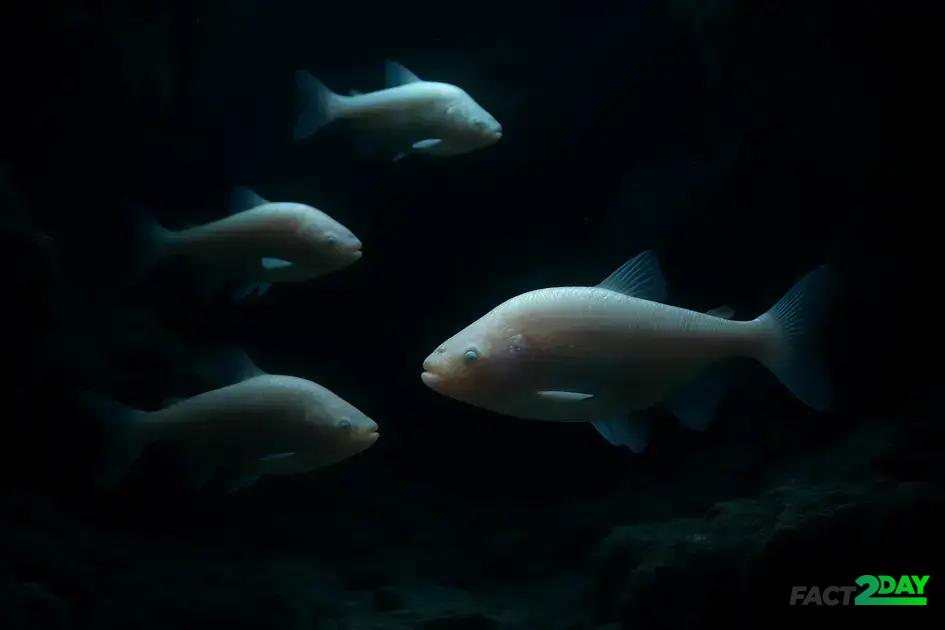
Cave circadian rhythm refers to the internal biological clocks maintained by blind cave fish, which regulate their daily behaviors even without light, relying on genetic and environmental cues beyond sunlight.
Have you ever wondered how creatures living in complete darkness keep track of time? The cave circadian rhythm in blind cave fish offers fascinating clues. Let’s explore how, despite their blindness and absence of light, these fish still follow a biological clock that guides their daily behaviors.
understanding circadian rhythms in nature
Circadian rhythms are natural cycles that repeat roughly every 24 hours, regulating various biological processes in living organisms. These rhythms help animals and plants anticipate daily changes in the environment, such as light and temperature. Understanding circadian rhythms in nature reveals how deeply life is connected to the Earth’s rotation and day-night cycle.
How Circadian Rhythms Work
Most circadian rhythms are controlled by a biological clock located in the brain, responding primarily to light signals. This clock adjusts the timing of sleep, feeding, hormone release, and other activities to sync with the external environment. However, even in the absence of light, some organisms maintain these rhythms, showing the clock’s internal nature.
Importance Across Species
Circadian rhythms are found in nearly all organisms, from humans and animals to plants and even bacteria. These rhythms optimize energy use, improve survival, and enhance reproductive success by coordinating behavior with the best times of day. For example, nocturnal animals are active at night, while diurnal animals thrive during daylight hours.
Environmental Cues and Adaptations
While light is the primary cue (known as a zeitgeber) for syncing circadian rhythms, other factors like temperature and social interactions also play roles. Some species living in unique environments, such as caves or the deep ocean, have adapted circadian mechanisms that work without conventional light cues, highlighting the resilience and flexibility of biological clocks.
Studying these rhythms helps scientists better understand health, behavior, and evolution in nature.
the unique environment of blind cave fish
Blind cave fish live in a truly unique and challenging environment. These fish inhabit dark caves with little to no light, no plant life, and often limited food sources. This extreme habitat has shaped their survival in remarkable ways.
Darkness and Sensory Adaptations
Since there is no light, blind cave fish have lost their eyesight over generations. Instead, they rely on enhanced senses like touch and the ability to detect vibrations in the water. Their bodies are adapted to navigate and find food in total darkness, using a lateral line system that senses movements around them.
Stable but Isolated Conditions
The cave environment is very stable: temperatures don’t fluctuate much, and there are no day-night light cycles. However, the isolation means these fish have limited interaction with outside ecosystems. This stability creates a consistent setting for their biological systems to evolve, such as their circadian rhythms, which function differently compared to surface fish.
Scarcity of Food
Food availability is scarce and unpredictable, often coming from occasional organic matter that enters the caves or from smaller cave organisms. This scarcity drives blind cave fish to have slower metabolisms and lower energy needs compared to their surface counterparts.
Overall, the unique environment of blind cave fish challenges many biological norms and offers a fascinating glimpse into adaptation and survival.
how blind cave fish maintain a biological clock
Even without exposure to sunlight, blind cave fish maintain a biological clock to regulate their daily behaviors. This internal clock, known as the circadian rhythm, operates independently of external light cues, relying on molecular and genetic mechanisms.
Endogenous Circadian Rhythms
Blind cave fish possess an internal timing system that cycles approximately every 24 hours. This endogenous rhythm controls activities such as feeding, movement, and rest. Research shows that these rhythms persist in constant darkness, proving their self-sustaining nature.
Genetic and Molecular Basis
Their biological clock depends on specific genes that produce proteins in cycles. These proteins interact in feedback loops, turning genes on and off to keep time. Studies identify key clock genes active in cave fish, similar to those in surface fish and other animals.
External Influences Beyond Light
While light is the main cue in many organisms, blind cave fish use other signals such as temperature fluctuations, food availability, or social interactions to fine-tune their clock. These alternative zeitgebers help synchronize their rhythms with the environment inside the cave.
Understanding how blind cave fish maintain their biological clock provides insight into the flexibility and evolution of circadian systems in extreme environments.
scientific studies on cave circadian rhythm
Scientific studies on cave circadian rhythm have unveiled surprising insights about how organisms maintain internal clocks in environments without light. Researchers use blind cave fish as key models to explore these biological mysteries.
Experimental Approaches
Scientists keep blind cave fish in controlled dark environments to observe their behavior and physiological changes over time. By monitoring activity patterns, hormone levels, and gene expression, they assess whether and how the fish keep a stable circadian rhythm.
Key Findings on Clock Genes
Studies reveal that clock genes in blind cave fish remain active and cycle similarly to those in surface fish. This suggests the circadian rhythm is an innate biological feature, not solely dependent on external light cues.
Behavioral Rhythm Observations
Data shows that blind cave fish exhibit daily cycles of activity and rest even in complete darkness. These patterns confirm the presence of an endogenous clock controlling their physiology and behavior.
Implications for Chronobiology
Research on cave circadian rhythms helps scientists understand how biological clocks evolved and adapted to extreme habitats. It also sheds light on the flexibility of circadian systems in diverse environments, with possible applications in medicine and space biology.
Ongoing studies continue to uncover molecular pathways and environmental factors influencing circadian rhythms in cave organisms, broadening our knowledge of life’s internal timing mechanisms.
adaptations of blind cave fish to darkness
Blind cave fish have evolved remarkable adaptations to darkness that allow them to survive and thrive in their lightless environments. Because vision is useless in total darkness, these fish have lost their eyes over generations, a process known as regressive evolution.
Enhanced Sensory Systems
To compensate for blindness, cave fish have developed heightened senses of hearing, smell, and touch. Their lateral line system is especially sensitive, detecting water pressure changes and vibrations, which helps them navigate and find food in complete darkness.
Metabolic and Behavioral Adaptations
Living in an environment with scarce food, blind cave fish have slower metabolisms and can survive longer periods without eating. Behaviorally, they may reduce energy use by limiting unnecessary movement and optimizing feeding strategies.
Changes in Pigmentation and Morphology
Most cave fish are pale or translucent due to the lack of pigment production, which is unnecessary without light. They often have elongated fins and streamlined bodies, adaptations that assist in efficient swimming in the confined cave spaces.
These adaptations showcase how life can adjust to extreme habitats, providing fascinating examples of evolution influenced by the absence of light.
implications for understanding biology
The study of blind cave fish and their circadian rhythms has broad implications for understanding biology. These fish offer a unique window into how life adapts to extreme environments, where traditional cues like sunlight are absent.
Insights into Evolution
Research reveals how biological clocks have evolved to function even in darkness. This helps scientists understand evolutionary processes that shape physiology and behavior in diverse habitats.
Understanding Circadian Flexibility
Blind cave fish demonstrate that circadian systems are flexible and can rely on internal mechanisms or alternative environmental signals. This challenges the notion that light is the only driver of biological rhythms.
Medical and Health Applications
Studying these rhythms provides clues about human circadian disorders, jet lag, and the effects of living in constant darkness or light. This knowledge supports developing treatments for sleep disorders and optimizing work schedules.
Broader Ecological Perspectives
Understanding biological clocks in cave organisms deepens knowledge of ecosystem dynamics and species interactions in isolated environments. It highlights the importance of timing for survival and reproduction.
Overall, blind cave fish research expands our grasp of how biological timing is fundamental to life and adaptable across species and conditions.
observing rhythm without light cues
Observing circadian rhythm without light cues presents unique challenges and insights. In complete darkness, organisms like blind cave fish rely on internal clocks to regulate their daily behaviors, despite the absence of external signals.
Endogenous Rhythms and Their Measurement
These rhythms are known as endogenous because they originate within the organism. Researchers measure activity cycles, hormone fluctuations, and gene expression patterns to detect rhythms in constant darkness conditions.
Alternative Environmental Cues
Without light, other factors such as temperature changes, feeding times, and social interactions can serve as cues to modulate circadian rhythms. Blind cave fish may use these signals to keep their biological clocks aligned with their environment.
Technological Tools in Rhythm Observation
Advanced techniques like molecular biology assays and behavioral tracking help scientists observe these rhythms. Such tools reveal how genetic feedback loops continue cycling independently of light.
Studying rhythm without light cues expands understanding of the flexibility and resilience of biological clocks, showing life’s incredible ability to adapt.
lessons from blind cave fish for humans
Blind cave fish offer valuable lessons for humans about biology and adaptation. Their unique circadian rhythms and survival strategies provide clues that can improve human health and understanding of biology.
Insights into Circadian Health
Since blind cave fish maintain circadian rhythms without light, studying them helps researchers understand how human biological clocks work in environments with limited light, like shift work or space travel. This knowledge can aid in developing treatments for sleep disorders and jet lag.
Adaptation to Extreme Conditions
These fish demonstrate how life adapts to extreme environments. Understanding these adaptations can inspire innovations in medicine and biotechnology, including how humans might survive or adapt to challenging conditions.
Genetic and Molecular Clues
Research on the genes and proteins that regulate the cave fish’s circadian clock offers clues about human genetics related to metabolism, aging, and disease. These findings could lead to new therapies targeting biological rhythms.
Overall, blind cave fish help us explore fundamental biological principles that have practical implications for human health and resilience.
Understanding the Importance of Circadian Rhythms in Blind Cave Fish
Blind cave fish teach us about how life adapts to dark and challenging environments, maintaining strong internal clocks even without light. Their natural rhythms show the power and flexibility of biology.
Studying these fish helps scientists learn more about evolution, health, and how organisms keep time inside their bodies. These lessons might even lead to better treatments for human health issues related to sleep and biological clocks.
Exploring the world of blind cave fish reminds us how much nature can teach us about surviving and thriving in all conditions.