Submerged Cities Lost to Dams and Time
Explore underwater ghost cities, where time and dams have swallowed entire communities, revealing haunting stories beneath the waves.
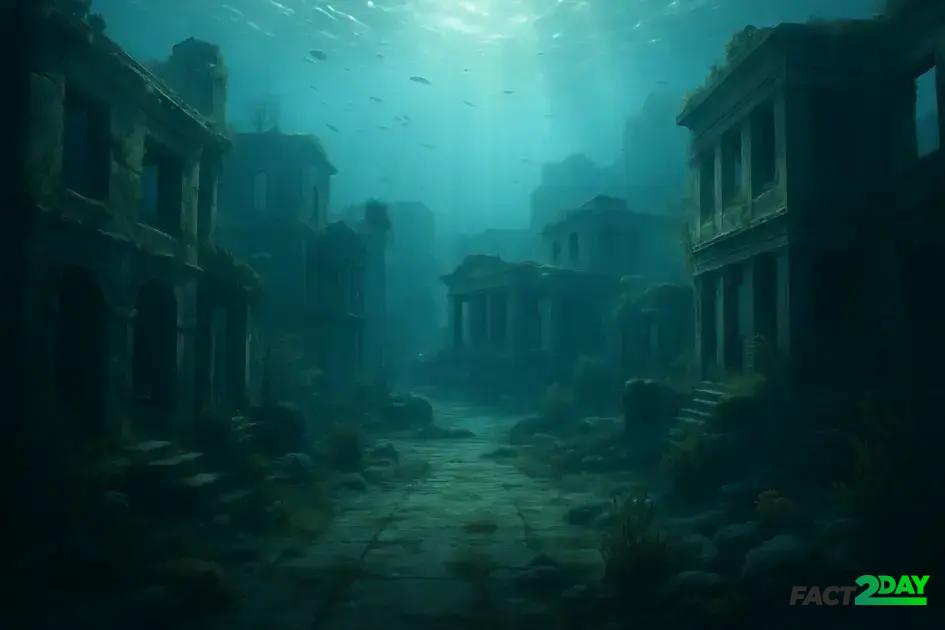
Underwater ghost cities are submerged towns lost by dam constructions or natural disasters, where submerged ruins reveal historical, environmental, and cultural impacts preserved beneath water.
Have you ever wondered about the silent world of underwater ghost cities? These submerged remnants whisper stories of communities lost to time and rising waters, inviting us to explore their hidden depths.
the mystery of underwater ghost cities
Underwater ghost cities are fascinating remnants hidden beneath lakes, rivers, or seas. These cities often vanish from the surface due to human-made dams or natural disasters, leaving their secrets preserved underwater. Exploring these haunting landscapes can reveal lost architecture, deserted streets, and forgotten lives frozen in time.
Origins of these submerged cities
Many underwater ghost cities were once thriving communities before dams were built for hydroelectric power or flood control. The rising waters slowly swallowed homes and landmarks, turning vibrant towns into silent ruins. Some cities vanished following earthquakes or tsunamis that forced inhabitants to abandon their homes.
Why do they capture our imagination?
The mystery lies in the blend of history and nature reclaiming what was once man-made. Visitors and researchers often are drawn to the eerie beauty of submerged buildings overgrown with aquatic plants, teeming with marine life. These cities bridge the gap between the past and the present, inviting questions about the lives of those who lived there.
Famous examples
Notable examples include the sunken city of Shicheng in China, submerged under the Qiandao Lake, and Villa Epecuén in Argentina, which reemerged after decades underwater. Each site offers unique stories about cultural transformation and survival.
Challenges of underwater exploration
Exploring these cities requires specialized diving equipment and expertise. Visibility, water currents, and preservation concerns make these expeditions both dangerous and delicate. Despite this, archaeologists use advanced technology like sonar mapping to study the layout and artifacts without disturbing the site.
Overall, the mystery of underwater ghost cities lies in their silent testimony to human history’s sudden shifts and nature’s enduring power.
how dams create submerged cities
Dams are built to control water flow, generate electricity, and provide water for agriculture and cities. However, these massive structures often lead to the creation of submerged cities when the surrounding valleys or towns are flooded to form reservoirs.
The process of creating reservoirs
When a dam blocks a river, the water backs up and floods the area behind it, forming a large artificial lake. Entire communities, roads, and even historical sites can be submerged under this rising water. The decision to flood these areas is usually made to meet larger economic or environmental goals.
Impact on human settlements
People living in areas designated for flooding are often relocated, but the physical remains of their homes and towns remain underwater. These submerged cities include houses, schools, churches, and other structures preserved beneath the water, creating ghost towns lost to time.
Environmental and social considerations
Building dams and flooding land can significantly alter ecosystems, displacing wildlife and changing water quality. Local cultures tied to these places can also be affected, as the memories and heritage are submerged. Environmental impact assessments help to balance these factors against the benefits of dams.
Overall, dams have played a crucial role in shaping both the landscape and the history of many regions, leaving behind fascinating submerged cities as a testimony to these changes.
stories of communities lost beneath water
Many communities have been lost beneath water due to the construction of dams, natural disasters, or rising sea levels. These submerged towns often carry rich histories and personal stories that highlight human resilience and loss. Families, traditions, and entire ways of life disappeared underwater, leaving only memories and ruins behind.
Historical stories behind submerged communities
Some towns were deliberately flooded to make way for reservoirs or hydroelectric projects. Residents were sometimes relocated, but their emotional bonds to the land remained strong. For example, Old Adaminaby in Australia was flooded to create Lake Eucumbene, displacing its population.
Impact on culture and heritage
Flooded communities often lose their unique local cultures, festivals, and landmarks. The water preserves these towns physically but drifts the social connections apart. Oral histories and photographs become vital in keeping these cultures alive.
Archaeological and personal discoveries
Occasionally, the water recedes, revealing forgotten towns and allowing people to reconnect with their heritage. Explorers and descendants sometimes uncover artifacts or foundations that provide insight into past lives, sparking interest in preservation and remembrance.
These stories of communities lost beneath water remind us of the powerful consequences of progress and nature, blending human emotion with historical transformation.
the environmental impact of submerged urban areas
Submerged urban areas can have significant environmental impacts on both the local ecosystem and beyond. Flooding cities to create reservoirs often results in habitat loss for terrestrial animals and changes the aquatic ecosystem drastically. The decay of buildings and vegetation underwater may release harmful substances.
Effects on water quality
Decomposing organic material and construction debris can reduce oxygen levels in the water, affecting fish and other aquatic life. This can lead to zones where life struggles to survive, known as dead zones. Monitoring water quality is crucial to manage these effects.
Changes in local wildlife
Submerged areas may create new habitats for aquatic species, but terrestrial animals lose their homes. Some species adapt, while others decline or disappear. The balance of ecosystems shifts significantly, sometimes benefiting invasive species.
Long-term environmental risks
Contaminants from old infrastructure or industrial sites may leach into water over time, posing risks to human and animal health. Careful planning and cleanup efforts before flooding can reduce these hazards.
Understanding the environmental impact of submerged urban areas helps inform better decisions about dam projects and encourages strategies to minimize ecological damage.
archaeological discoveries underwater
Underwater archaeological discoveries have revealed fascinating insights into past civilizations and lost cities buried beneath water. These finds include ancient ruins, artifacts, and submerged structures, preserved in unique conditions that often protect them from decay.
Technologies enabling underwater archaeology
Modern tools like sonar mapping, remotely operated vehicles (ROVs), and diving equipment allow researchers to explore deep underwater sites safely and thoroughly. These technologies help locate and document submerged cities and artifacts without causing damage.
Significant finds and their importance
Discoveries of sunken ports, temples, and everyday objects shed light on historical trade, culture, and social life. For example, underwater sites from ancient Greece and Egypt provide clues about maritime history and ancient engineering.
Preservation challenges
Despite the protection water offers, exposure to currents, pollution, and human activity can threaten these sites. Conservation efforts include controlled excavations and underwater museums to protect and share this heritage.
Underwater archaeology opens a window into the past, revealing hidden chapters of human history lost beneath the waves.
how nature reclaims flooded cities
When cities are flooded and abandoned, nature begins to reclaim the space in remarkable ways. Over time, water plants, algae, and aquatic animals take over buildings, streets, and open areas, creating new ecosystems in forgotten urban landscapes.
Vegetation growth underwater
Submerged structures become covered with algae, moss, and other water plants. These organisms provide habitats for fish and other aquatic creatures, transforming the area into a lively underwater environment.
Wildlife adaption and colonization
Fish, amphibians, and invertebrates find shelter and breeding grounds in the ruins. Birds and mammals may also return to the flooded surroundings, using the new wetlands as feeding and nesting areas.
Structural changes over time
Decay and erosion slowly break down buildings, allowing the natural landscape to merge with man-made elements. Cracked walls and tilted structures create interesting formations that continue to evolve with natural forces.
The process of nature reclaiming flooded cities demonstrates resilience and adaptability, turning deserted urban areas into thriving habitats once again.
urban exploration in underwater ghost towns
Urban exploration in underwater ghost towns offers a unique way to discover lost cities hidden beneath the surface. Divers and researchers explore these submerged areas to study architecture, history, and the effects of water on human structures.
Equipment and safety measures
Specialized diving gear, including underwater lights and cameras, is essential for exploring submerged towns. Explorers must be trained in safety procedures to handle strong currents, limited visibility, and fragile structures.
Popular underwater ghost towns
Some submerged towns have become popular exploration sites, attracting divers worldwide. Sites like Shicheng in China and Plyos in Russia reveal intact streets, buildings, and artifacts, providing remarkable glimpses into the past.
Challenges and preservation
Exploration must be done carefully to avoid damaging delicate structures and ecosystems. Preservation efforts include documenting sites and promoting responsible diving practices to protect these underwater cultural treasures.
Urban exploration in underwater ghost towns combines adventure with history, uncovering stories that time and water have concealed.
preserving history beneath the waves
Preserving history beneath the waves is essential to protect submerged cultural heritage from natural decay and human interference. These underwater sites include ancient ruins, sunken cities, and artifacts that offer valuable insights into our past. Efforts to preserve them help maintain historical knowledge for future generations.
Methods of underwater preservation
Techniques involve careful documentation using sonar and 3D scanning, controlled excavation, and sometimes relocating artifacts to museums. Preservation also requires regulating diving activities to prevent damage to fragile sites.
Legal protection and international collaboration
Many countries have laws protecting underwater cultural heritage, and international agreements encourage cooperation in preservation efforts. These policies help balance public access with conservation.
Challenges faced
Submerged sites face threats from natural erosion, pollution, and looting. Preventing these dangers requires ongoing monitoring, research, and public awareness.
Preserving history beneath the waves connects us with lost worlds and enriches our understanding of human civilization.
Reflecting on the submerged cities and their stories
Underwater ghost cities hold powerful stories of communities lost to time, dams, and nature’s relentless forces. Exploring these submerged worlds reveals the complex relationship between human progress and the environment.
From ecological impacts to archaeological discoveries, these sunken cities continue to captivate our imagination and teach us valuable lessons about history and preservation.
By preserving these sites beneath the waves and responsibly exploring them, we honor the past while protecting these unique places for future generations to discover and learn from.