How Trees “Talk” Through Underground Networks
Discover how tree communication happens beneath our feet through underground networks, revealing nature’s quiet and complex conversations.
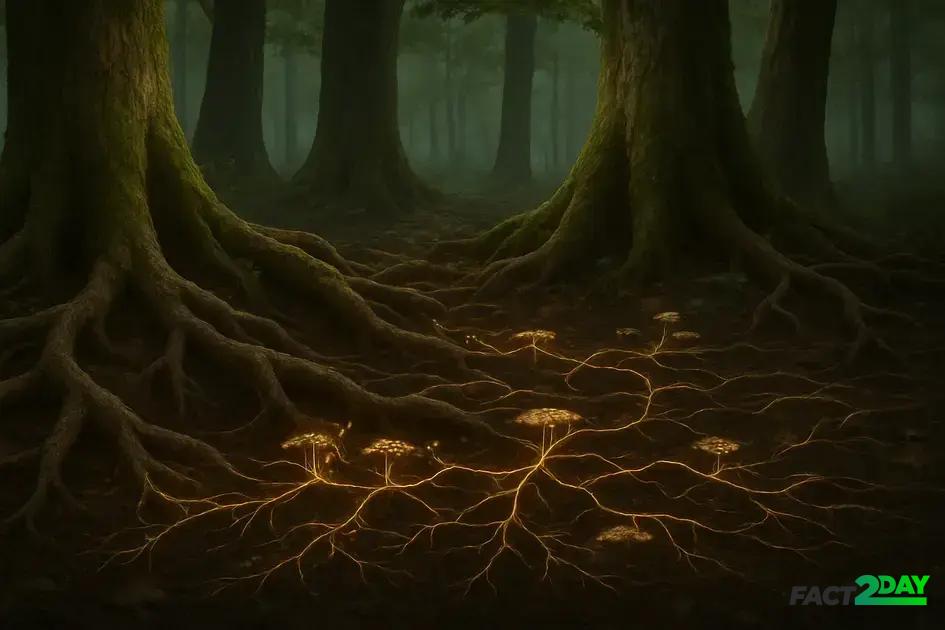
Tree communication occurs through underground fungal networks that connect roots, allowing trees to share nutrients, send warning signals, and support each other, enhancing forest health and resilience.
Have you ever wondered how trees share information? Tree communication happens silently, often through underground networks that connect their roots and fungi. Let’s explore this fascinating natural phenomenon together.
the hidden world of tree communication
Tree communication is a fascinating process that happens mostly out of sight, beneath the forest floor. Trees are not isolated; instead, they form a complex network where information passes through roots and soil. This underground world, often called the “wood wide web,” connects various trees, allowing them to share resources and warn each other about dangers.
The network beneath our feet
At the core of this hidden system are fungal networks known as mycorrhizae. These fungi attach to tree roots and intertwine with roots of other trees, creating vast communication pathways. Through these networks, trees can exchange nutrients and chemical signals effectively over long distances.
How communication works
Trees use this underground network to send messages, such as distress signals when under attack by pests or drought. By releasing specific chemicals into the network, trees can alert their neighbors to prepare defenses or enhance their growth. This strategy helps the entire forest stay healthier and more resilient.
Understanding the hidden world of tree communication reveals how interconnected forests truly are. This knowledge helps us appreciate trees not as solitary organisms but as members of a cooperative community maintaining balance in nature.
how underground networks form and function
Underground networks form through a symbiotic relationship between tree roots and fungi called mycorrhizae. These fungi grow around and inside tree roots, creating a vast connected web that links individual trees across forest floors. This network allows trees to share water, nutrients, and chemical messages.
Formation of the network
Mycorrhizal fungi extend far beyond the tree roots, branching through the soil like tiny threads. These filaments connect multiple trees, sometimes even of different species. This interconnection creates a natural communication system that supports the forest ecosystem.
How the network works
Trees send signals through the network by releasing chemical compounds into their roots, which fungi transport to neighboring trees. These signals can carry alerts about threats like pests or drought and even help redistribute resources to weaker trees. This underground system enhances survival and helps maintain forest health.
Understanding the function of underground networks gives insight into how forests operate as integrated communities rather than isolated individuals, leading to more resilient ecosystems overall.
the role of fungi in tree communication
Fungi play a crucial role in tree communication through a network called mycorrhiza. These fungi form partnerships with tree roots, creating underground links that help trees exchange nutrients and information. This relationship benefits both fungi and trees, making forests more interconnected.
Mycorrhizal fungi explained
Mycorrhizal fungi grow on and inside tree roots, extending far into the soil. They act like natural internet cables, connecting one tree to another. Through these connections, fungi transfer water, carbon, nitrogen, and other nutrients between trees.
Communication and support
When a tree is stressed by pests, drought, or disease, mycorrhizal fungi help send chemical signals to nearby trees. This early warning system allows other trees to prepare defenses. Additionally, fungi can redistribute resources, supporting weaker or younger trees.
The role of fungi in tree communication highlights a vital cooperation that supports forest health and stability. Without these fungal networks, trees would be more isolated and vulnerable.
signals and messages trees exchange
Trees exchange a variety of signals and messages through their underground networks to communicate with one another. These messages can include warnings about pests, requests for nutrients, or signals indicating environmental stress. This communication helps trees to adapt and survive in changing conditions.
Chemical signaling
One primary way trees send messages is through chemical compounds released into the soil. These chemicals travel via fungal networks or root systems to reach neighboring trees. For example, a tree under attack by insects might release chemicals that trigger defensive responses in nearby trees.
Resource sharing
Besides alerts, trees can also send messages to share resources. Carbon, water, and nutrients may be transferred from healthier trees to those experiencing stress or growth challenges. This cooperative behavior strengthens the forest as a whole.
Electrical and hormonal signals
Some research suggests trees might also use electrical impulses and plant hormones to send messages within themselves and to other trees. These rapid signals can activate immune responses or growth adjustments quickly.
The diversity of signals and messages trees exchange showcases an advanced natural communication system that supports forest resilience and balance.
benefits of tree communication for forest health
Tree communication plays a vital role in maintaining the health and stability of forests. By sharing information and resources, trees help each other survive environmental stresses, pests, and diseases. This cooperation strengthens the entire ecosystem.
Improved resilience
When trees communicate threats like insect attacks or drought, neighboring trees can boost their defenses early. This early warning system reduces damage and helps forests recover faster from stress.
Resource allocation
Trees can share nutrients, water, and carbon through underground networks to support weakened or younger trees. This resource sharing promotes growth and survival, ensuring forest diversity and balance.
Support for biodiversity
Communication networks also help trees of various species work together, creating a more diverse and stable forest environment. Diverse forests are better equipped to handle changing climates and biological challenges.
Overall, the benefits of tree communication enhance forest health by creating a connected community that thrives together.
how understanding tree communication can inspire us
Understanding how trees communicate through underground networks offers valuable lessons for humans. This natural system shows us the power of cooperation, resilience, and connection in facing challenges together. By observing trees, we can find inspiration to improve our communities and relationships.
Lessons from nature
Trees share resources and warn one another about dangers without competition or conflict. This collaborative behavior can inspire us to build stronger support networks in society, emphasizing teamwork over individual gain.
Improving sustainability
Recognizing the importance of interconnectedness reminds us to care for our environment carefully. Trees demonstrate how balance and communication foster long-term health, encouraging us to adopt more sustainable practices.
Building resilience
The way trees help weaker members of their community teaches us about empathy and resilience. We can apply this to create communities that support vulnerable individuals and adapt to changing conditions together.
By appreciating tree communication, we gain insights that motivate us to live more connected, sustainable, and compassionate lives.
Understanding the silent language of trees
Tree communication through underground networks reveals a hidden world of connection and support that keeps forests healthy and strong. This natural system shows how living beings can cooperate and share resources to survive challenges.
By learning from trees, we can appreciate the importance of working together and caring for our environment. These insights encourage us to build more connected and resilient communities.
Exploring tree communication deepens our respect for nature and inspires us to live in harmony with the world around us.