The Dancing Plague of 1518: When People Danced Themselves to Death
Explore the mysterious dancing plague of 1518 where people danced uncontrollably, revealing fascinating historical and psychological insights.
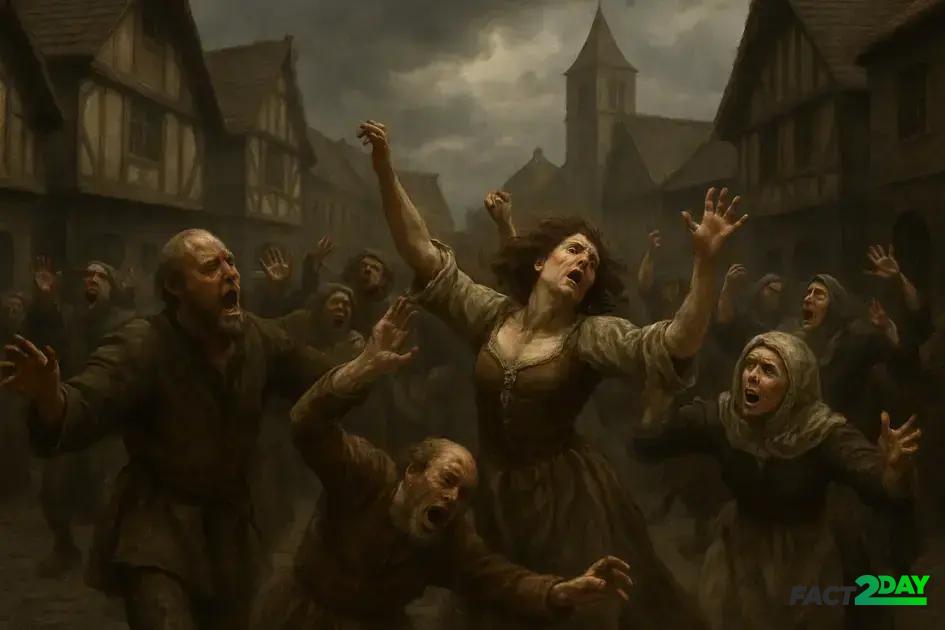
The dancing plague of 1518 was a sudden outbreak in Strasbourg where hundreds danced uncontrollably for days, driven by mass hysteria, social stress, and possibly ergot poisoning, reflecting a complex mix of psychological and cultural factors.
Have you ever heard about the dancing plague of 1518? It was a strange and haunting episode when people danced for days without rest, almost as if caught in a trance. Let’s walk through this captivating mystery together and uncover what might lie behind it.
origin and historical context of the dancing plague
The dancing plague of 1518 began in Strasbourg, then part of the Holy Roman Empire, in the summer months when an unusual phenomenon took hold of the population. It started with a woman named Frau Troffea, who suddenly began dancing uncontrollably in the streets. Within days, dozens of others joined her, unable to stop despite exhaustion and pain.
Historical Context
At the time, Europe was facing numerous hardships, including famine, disease, and harsh winters. These difficult conditions likely heightened social stress and fear. The dancing plague emerged in this turbulent era, reflecting a complex mix of societal pressure and possibly psychological distress.
Geographical and Social Setting
Strasbourg was a bustling trade city with a diverse population, where communal events and religious practices were important. Dance was a common social activity, making the outbreak’s nature both strange and terrifying. Authorities struggled to contain the dance, initially treating it as a medical issue and later as a spiritual or supernatural one.
Documentation and Records
Chroniclers of the time kept records of the event, describing the strange dancing fever that lasted for weeks. Official town documents show attempts to provide relief by hiring musicians and opening dance halls, hoping to burn out the urge. These records offer valuable insight into how people understood and reacted to the plague.
The dancing plague serves as a vivid example of how historical conditions and community dynamics can create a unique and baffling phenomenon.
symptoms and behavior observed during the event
During the dancing plague of 1518, victims exhibited intense and uncontrollable dancing that often lasted for hours or even days. Many dancers showed signs of severe exhaustion, dehydration, and physical distress. Some reportedly continued dancing until they collapsed, with a few tragically dying from strokes or heart attacks caused by the relentless movement.
Physical and Psychological Symptoms
Victims appeared unable to control their bodies, moving rhythmically yet involuntarily. Observers noted twisted limbs, staggering gait, and signs of pain. Muscle cramps and injuries were common, due to prolonged dancing without rest.
Behavioral Patterns
The dancing often started suddenly, with one individual joining the movement, followed by others in clusters. The dancers sometimes danced in groups or alone, but their actions were driven by a strange compulsion rather than joy. Attempts to stop them often failed, reflecting a loss of voluntary control.
Community Reaction
Witnesses described a mix of fear and sympathy, as dancers seemed trapped in a terrifying trance. Local authorities tried to intervene by providing musicians to keep the dancers moving, believing the cure was to dance continuously until the urge passed.
theories explaining the cause of the dancing plague
The cause of the dancing plague of 1518 remains a subject of debate among historians and scientists. Several theories have been proposed to explain this mysterious event, ranging from medical explanations to psychological and social factors.
Mass Hysteria
One widely accepted theory is that the dancers experienced mass hysteria or mass psychogenic illness. This occurs when stress and fear spread through a community, leading to physical symptoms without an apparent physical cause. The hardships of 16th-century Europe, such as famine and disease, might have triggered this response.
Ergot Poisoning
Another theory suggests that the dancers consumed bread contaminated with ergot, a toxic fungus found in rye. Ergot contains compounds similar to LSD, which can cause hallucinations, convulsions, and strange behaviors. However, this theory is debated because ergot poisoning usually causes convulsions rather than rhythmic dancing.
Religious and Cultural Beliefs
Some historians believe the dancing plague was linked to religious fervor or superstition. People at the time might have interpreted the event as punishment from God or an act of possession, which influenced their behavior. Public rituals and dancing were sometimes believed to ward off evil spirits.
Neurological Disorders
A few researchers have explored the possibility of neurological conditions like epilepsy or other disorders that could cause involuntary movements. However, the sudden outbreak affecting many people simultaneously makes this explanation less likely.
The dancing plague remains a puzzling mix of physical, psychological, and cultural factors that challenge our understanding of human behavior.
impact on the affected communities
The dancing plague had a profound impact on affected communities, disrupting daily life and causing panic. Streets became crowded with dancers who were unable to stop, which alarmed townspeople and local leaders. Markets, churches, and homes saw a sharp decline in activity as attention shifted to managing the crisis.
Social and Economic Disruptions
The event caused significant social tension and economic loss. Businesses suffered as workers were incapacitated by the uncontrollable dancing. Some families lost members to exhaustion or related health problems, which deepened the community’s distress.
Public Health Challenges
Local health officials were overwhelmed and struggled to provide care, as the symptoms of the dancing plague were not well understood. Measures such as hiring musicians and organizing dance groups were attempted to control or disperse the epidemic, but with limited success.
Religious and Cultural Reactions
The community often interpreted the phenomenon through a spiritual lens, seeing it as a curse or punishment. Religious leaders called for prayers and processions to seek divine intervention. Rituals and superstitions influenced both the response and the persistence of the plague.
The dancing plague deeply affected the social fabric and health systems of the time, highlighting the vulnerability of communities to sudden and unexplained crises.
medical and psychological perspectives
The dancing plague of 1518 has intrigued both medical and psychological experts for centuries. Medically, some suggest the event may have been linked to neurological or infectious causes, though no definitive diagnosis has been found. Psychologists focus on the social and emotional context, examining how extreme stress can manifest in physical symptoms.
Psychological Explanations
Mass psychogenic illness is a key theory in understanding the dancing plague. It describes how psychological distress spreads through a group, causing symptoms like involuntary movements without a physical cause. In 1518, the stress from famine, disease, and social pressure likely contributed to such a phenomenon.
Medical Theories
Some medical experts have explored possible causes like ergot poisoning, which occurs when people consume rye bread contaminated with a fungus producing hallucinogenic compounds. While it explains some symptoms, it does not fully account for the coordinated dancing behavior observed during the plague.
Neurological and Physical Factors
Conditions such as epilepsy or other disorders that cause convulsions have been considered but seem unlikely due to the scale and rapid spread among the population. The physical strain and injuries sustained during the dancing episodes also resulted in severe health complications.
Understanding the dancing plague from both medical and psychological perspectives reveals a complex interplay between the mind, body, and society.
cultural interpretations and folklore
The dancing plague of 1518 gave rise to many cultural interpretations and folklore that reflected the beliefs of the time. People saw the event as a supernatural phenomenon connected to divine punishment or possession by spirits. These views influenced how communities reacted and coped with the crisis.
Religious Interpretations
Many believed the dancing was a curse from God, punishing the townspeople for their sins. Processions, prayers, and pilgrimages were common responses, aiming to appease divine wrath and end the affliction.
Folklore and Legends
Stories emerged about supernatural forces compelling people to dance uncontrollably. Some accounts spoke of the “dancing spirits” that possessed dancers, while others hinted at witchcraft or curses. These legends contributed to a mix of fear and fascination among the population.
Impact on Art and Culture
The event inspired artworks, songs, and tales that blended historical facts with myth. These cultural expressions kept the memory of the dancing plague alive, influencing how later generations understood it.
The cultural interpretations and folklore surrounding the dancing plague reveal how communities try to make sense of unexplained events through their beliefs.
modern investigations and scientific studies
Modern investigations into the dancing plague combine historical research with scientific methods to better understand this puzzling event. Researchers analyze town records, personal accounts, and environmental data to piece together what might have caused the outbreak.
Scientific Studies
Scientists use techniques from epidemiology, psychology, and toxicology to test various hypotheses. For example, some studies focus on ergot poisoning, where a fungus on rye could produce symptoms linked to the plague. Others explore mass psychogenic illness as a psychological cause.
Historical Research
Historians examine archival materials to verify details about the duration, spread, and social impact of the plague. This helps place the event in the broader context of 16th-century Europe and its challenges.
Interdisciplinary Approaches
Combining different fields allows researchers to explore the dancing plague from multiple angles. This interdisciplinary work reveals how social stress, environmental factors, and cultural beliefs might have interacted to produce the phenomenon.
The continued effort to study the dancing plague shows how modern science seeks to understand the complex links between mind, body, and society.
lessons and reflections from the dancing plague
The dancing plague of 1518 offers important lessons about how communities respond to unexplained events and crises. It shows the power of social influence and stress on human behavior, revealing how fear and uncertainty can shape collective actions.
The Role of Community and Stress
High stress levels combined with close social ties appear to have contributed to the rapid spread of the dancing behavior. This highlights the importance of understanding psychological and social factors during crises.
Impact on Modern Understanding
The event encourages us to consider how psychological distress can manifest physically and influence groups. It also stresses the need for compassion and effective communication when managing public health emergencies.
Reflections on Human Behavior
The dancing plague reminds us that not all medical issues have clear physical causes and that cultural and social contexts are crucial for understanding human reactions. It challenges modern science to integrate these perspectives for better health care.
Ultimately, the dancing plague serves as a historical reminder of the complex links between mind, body, and society in facing mysterious challenges.
Understanding the lasting impact of the dancing plague
The dancing plague of 1518 remains a fascinating and mysterious event that teaches us much about the connection between mind, body, and society. It shows how stress and fear can lead to powerful collective behaviors that science is still trying to understand.
By studying this event from historical, medical, and cultural angles, we gain valuable insights on how communities face unexplained challenges. The dancing plague reminds us to approach such mysteries with compassion and an open mind.
Reflecting on this episode helps us appreciate the complex ways human beings respond to crisis and the importance of unity and care in overcoming difficult times.