When the Earth’s Magnetic Poles Flipped
Magnetic field reversals reveal Earth's mysterious flips and their impact on life, guiding us through history's natural compass changes.
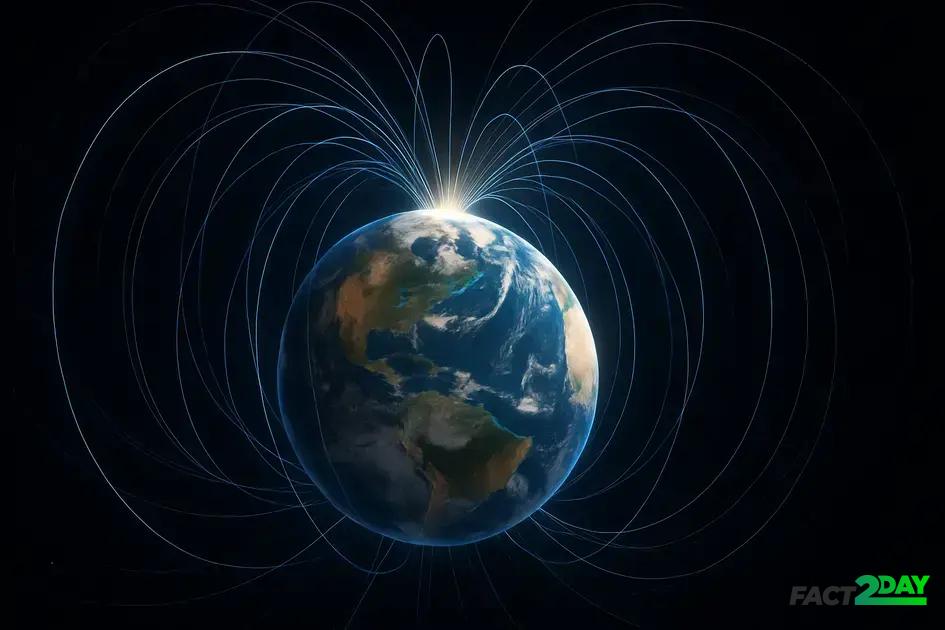
Magnetic field reversals occur when Earth’s magnetic poles switch places due to changes in the molten iron flow in its outer core, causing the magnetic field to weaken and eventually flip over thousands of years, impacting navigation, satellite operations, and animal migration.
Magnetic field reversals are Earth’s fascinating shifts that few of us notice but deeply influence our planet’s story. Ever wondered how and why our magnetic poles have flipped? Let’s uncover the quiet power behind this natural phenomenon.
understanding magnetic field reversals
Magnetic field reversals occur when Earth’s magnetic poles switch places, meaning the north magnetic pole becomes the south, and vice versa. This process is not sudden; it takes thousands of years to complete. Scientists study these reversals by examining ancient volcanic rocks and ocean sediments, which capture the direction of Earth’s magnetic field when they form.
During a reversal, Earth’s magnetic field weakens, making the planet more exposed to solar and cosmic radiation. However, life has survived many of these events in the past. The reasons for these reversals lie deep within Earth’s core, where molten iron generates the magnetic field through complex movements.
Understanding these flips helps scientists learn about the dynamic nature of our planet. It also informs how magnetic fields protect us, especially given their role in guiding compass navigation and shielding us from harmful solar radiation.
How scientists detect magnetic field reversals
By measuring the orientation of magnetic minerals in rocks, particularly those from the ocean floor, researchers can identify periods when the magnetic poles were reversed. This evidence helped establish a timeline of past reversals over millions of years.
Magnetic field reversals remain one of Earth’s intriguing natural phenomena, highlighting the planet’s constantly changing magnetic environment.
how the earth’s magnetic poles flip
Earth’s magnetic poles flip through a process driven by the movement of molten iron in its outer core. This motion creates a geodynamo effect, which generates the planet’s magnetic field. Over time, changes in the flow cause the field to weaken, become unstable, and eventually reverse direction.
The flipping process is slow and complex, taking thousands of years to complete. It does not happen instantly but gradually, with the magnetic field losing strength and becoming chaotic before settling into its new orientation.
Role of the outer core in pole reversals
The outer core’s liquid iron moves in convection currents, affected by Earth’s rotation. These flows alter the magnetic field patterns, causing the poles to drift and sometimes reverse. Scientists monitor these patterns to understand when a flip might occur again.
While the magnetic poles wander and reverse, the geographic poles remain fixed. This separation helps distinguish between Earth’s true rotational axis and its magnetic field, which is essential for navigation and understanding Earth’s interior.
effects of pole reversals on the planet
When Earth’s magnetic poles reverse, the planet experiences several effects, though life has continued through many past reversals. One major impact is the weakening of the magnetic field, which normally shields us from harmful solar and cosmic radiation. During this weakening, certain areas of the planet become more exposed.
Impact on Earth’s atmosphere and climate
The increased radiation can cause changes in the upper atmosphere, affecting ozone levels. However, studies suggest that pole reversals do not directly trigger major climate changes or mass extinctions, as life has thrived despite multiple past flips.
Effects on technology and navigation
Modern technology that relies on magnetism, such as compasses, satellites, and power grids, could face disruptions during magnetic instability. Satellites might be more vulnerable to radiation, and navigation systems may require adjustments as magnetic poles shift.
Animal species that use Earth’s magnetic field for migration, like birds and sea turtles, might also experience orientation difficulties, though many have adapted to gradual changes.
Overall, magnetic pole reversals are natural processes that briefly alter Earth’s magnetic environment without causing catastrophic effects.
ancient evidence of magnetic flips
Scientists discover ancient evidence of magnetic flips by studying rocks and sediments that record Earth’s magnetic history. When volcanic rocks cool, iron-rich minerals inside align with the planet’s magnetic field. This alignment acts like a time capsule, showing the direction of the magnetic poles at that moment.
Role of ocean floor spreading
The ocean floor provides crucial clues through a process called seafloor spreading. As magma rises and solidifies at mid-ocean ridges, it preserves symmetrical magnetic patterns on both sides. These patterns reveal periods when the magnetic poles reversed.
Fossil records and sediment layers also contain magnetic signals, helping researchers build a timeline of reversals over millions of years. This extensive record confirms that magnetic field reversals are natural and recurring events in Earth’s past.
Understanding these ancient magnetic flips allows us to grasp how dynamic Earth’s magnetic field truly is and helps predict future changes.
the role of the earth’s core in reversals
The Earth’s core plays a critical role in magnetic field reversals. At the center lies a solid inner core surrounded by a liquid outer core made mostly of molten iron. The movement of this liquid iron generates Earth’s magnetic field through a process called the geodynamo.
How the geodynamo works
Convection currents in the molten outer core, driven by heat escaping from the inner core, cause the liquid metal to move. These movements create electric currents, which in turn produce magnetic fields. The combined effect of these fields forms the Earth’s overall magnetic field.
Fluctuations in the flow of the molten iron can weaken and destabilize the magnetic field, sometimes leading to a reversal of the magnetic poles. These changes occur over thousands of years, making the process gradual and complex.
Scientists study variations in the core’s flow to better understand and predict magnetic reversals, revealing how Earth’s deep interior influences the planet’s magnetic environment.
implications for modern technology and life
Magnetic field reversals can have significant implications for modern technology and life. The Earth’s magnetic field protects us from solar radiation, and when it weakens during a reversal, this protection lessens, which may affect satellites and power grids.
Effects on communication and navigation systems
Satellites and GPS systems rely on stable magnetic fields to operate accurately. During magnetic instability, signals can become unreliable, causing disruptions in communication and navigation. Airlines and ships might need to adjust their routes based on shifting magnetic data.
Impact on power infrastructure
Strong solar storms hitting a weakened magnetic field can induce electrical currents in power lines, risking blackouts and damage to transformers. Utilities must prepare for these events to maintain reliable energy supplies.
Living organisms and magnetic fields also interact with Earth’s magnetism. Animals like birds, bees, and sea turtles use the magnetic field for migration and navigation. Changes in the field may temporarily confuse their natural behaviors, though many species adapt.
Understanding these impacts helps us prepare and protect our technology and ecosystems from the challenges posed by magnetic reversals.
magnetic field reversals in other planets
Magnetic field reversals are not unique to Earth; other planets in our solar system also show evidence of changing or complex magnetic fields. For example, Mars once had a magnetic field that reversed multiple times before it almost disappeared. Scientists study these patterns to understand planetary evolution and magnetic behavior.
Jupiter and Saturn’s magnetic fields
Jupiter and Saturn have strong magnetic fields generated by metallic hydrogen inside their interiors. While direct evidence of reversals is limited, variations in these fields suggest dynamic processes similar to Earth’s geodynamo but on a much larger scale.
Mercury’s weak and shifting magnetic field shows signs of instability, possibly hinting at future reversals or fluctuations. Studying these fields helps researchers compare magnetic activity across planets.
Exploring magnetic field reversals on other planets gives us a broader perspective on how magnetic fields form, change, and protect planetary atmospheres over time.
what we can learn from past reversals
Studying past magnetic field reversals provides valuable insights into Earth’s magnetic behavior and its effects on the planet. Geological records reveal how often reversals have occurred, typically every several hundred thousand years, though intervals can vary widely.
Patterns and frequency of reversals
By analyzing rock samples and ocean sediments, scientists identify a timeline of magnetic flips. These patterns help explain how the magnetic field changes and the factors influencing its stability.
Lessons from past reversals show that while the magnetic field weakens during a reversal, life on Earth has persisted without mass extinctions directly linked to this process. This resilience highlights nature’s ability to adapt to magnetic changes.
Predicting future magnetic behavior
Understanding past events aids in forecasting potential magnetic fluctuations and preparing for their impacts on modern technology and ecosystems.
Continued research into magnetic reversals strengthens our knowledge of Earth’s interior and its dynamic magnetic environment, helping us better anticipate and respond to future changes.
Understanding Earth’s magnetic field reversals
Magnetic field reversals are natural and fascinating events that reveal much about our planet’s inner workings. While these flips can weaken the magnetic shield, life on Earth has adapted well over millions of years.
Studying past reversals helps us prepare for potential effects on technology and the environment in the future. By learning from Earth’s magnetic history, we gain insight into the dynamic forces shaping our world today.
Knowing more about magnetic field reversals strengthens our ability to protect modern life and stay curious about the planet we call home.