Pequenos Aliados: Bactérias Benéficas Inovam
Beneficial bacteria innovation explores how microbiome science and biotechnology are transforming health, sustainable agriculture, and environmental solutions.
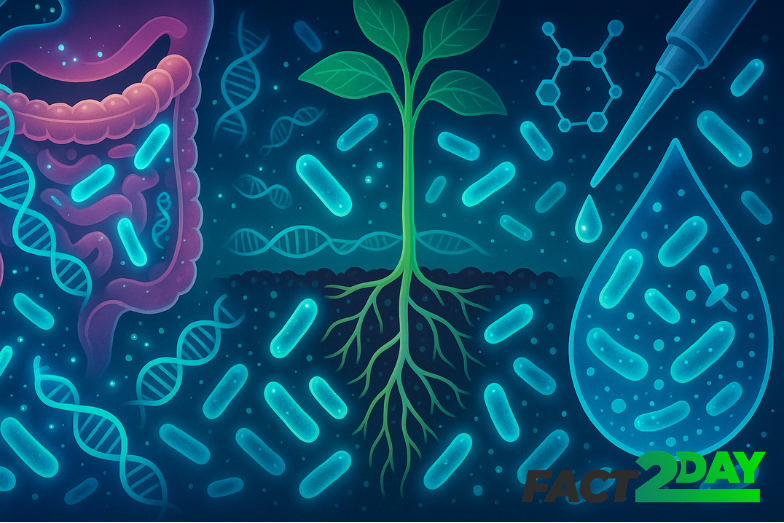
Did you know that Beneficial Bacteria Innovation is opening incredible avenues to improve our health and the environment? Let’s explore together how these tiny allies can transform our world in surprising ways.
What beneficial bacteria are and their importance
Beneficial bacteria are microorganisms that play essential roles in various ecosystems, including the human body, soil, and water. Unlike harmful bacteria, these allies contribute to health, nutrient cycling, and environmental balance. For example, in the human gut, beneficial bacteria aid digestion, support the immune system, and prevent the growth of harmful pathogens.
In agriculture, beneficial bacteria enhance soil fertility by fixing nitrogen, decomposing organic matter, and protecting plants from diseases naturally. This reduces the need for chemical fertilizers and pesticides, promoting sustainable farming.
Understanding the importance of these bacteria helps us appreciate their role in everyday life and encourages the development of innovations in medicine, agriculture, and environmental management. Their ability to adapt and perform vital functions makes them valuable tools for biotechnology and health sciences.
Key roles of beneficial bacteria
- Supporting health: They help maintain a balanced microbiome, essential for digestion and immune defense.
- Environmental impact: They participate in breaking down pollutants and recycling nutrients.
- Enhancing agriculture: They improve plant growth and resistance to pests without harmful chemicals.
Recognizing these roles highlights why beneficial bacteria are called ‘small allies’ and why ongoing research focuses on harnessing their power for innovative solutions.
Recent innovations in the study of beneficial bacteria
Recent innovations in the study of beneficial bacteria focus on advanced technologies that reveal their complex roles and interactions. Techniques like genomic sequencing and metagenomics have revolutionized how scientists identify and understand the functions of different bacterial species in various environments.
Researchers now use CRISPR gene editing to manipulate bacterial DNA, allowing the development of customized strains with enhanced abilities, such as better nutrient absorption or increased disease resistance. These innovations open doors for tailored solutions in medicine, agriculture, and environmental science.
Cutting-edge tools advancing research
- High-throughput sequencing: Enables analysis of bacterial communities at an unprecedented scale and detail.
- Bioinformatics: Helps interpret complex data to predict bacterial behavior and interactions.
- Microfluidics: Allows isolating and studying single bacterial cells to observe their unique traits.
Besides these, collaboration between microbiologists and engineers has led to the creation of biosensors and living materials that harness beneficial bacteria for real-world applications. This blend of biology and technology exemplifies the innovation reshaping how we utilize these tiny allies.
How beneficial bacteria influence human health
Beneficial bacteria play a vital role in human health by maintaining balance within the gut microbiome. This complex community of microbes aids in digestion, supports the immune system, and helps protect against harmful pathogens. When these good bacteria thrive, they contribute to overall wellness.
They produce essential nutrients, like vitamins B and K, and help break down complex carbohydrates that our body cannot digest alone. This process supports energy production and nutrient absorption, which are crucial for bodily functions.
Impact on immune function
Beneficial bacteria stimulate the immune system by training it to recognize and respond to harmful invaders effectively. They help regulate inflammation, preventing excessive immune responses that can lead to diseases.
Disruptions in these bacterial communities, known as dysbiosis, have been linked to several health issues such as allergies, obesity, and digestive disorders. Maintaining a healthy balance through diet, probiotics, and lifestyle is key to harnessing their benefits.
Beyond the gut: systemic effects
Recent studies show that these bacteria also influence mental health by producing neurotransmitters that affect mood and cognition. This connection is often called the gut-brain axis.
Research continues to uncover how beneficial bacteria support skin health, reduce the risk of infections, and may even play a role in preventing certain chronic diseases.
Applications of beneficial bacteria in sustainable agriculture
Beneficial bacteria have a crucial role in sustainable agriculture by improving soil health and increasing crop productivity without relying on harmful chemicals. These bacteria enhance nutrient availability through processes like nitrogen fixation, which converts atmospheric nitrogen into forms plants can absorb.
They also produce natural growth hormones and help plants resist diseases by outcompeting harmful microbes. This natural protection reduces the need for pesticides and supports healthier ecosystems.
Soil quality and nutrient cycling
Beneficial bacteria break down organic matter, recycling nutrients essential for plant growth. This process improves soil structure, water retention, and fertility, creating a better environment for crops.
Farmers use biofertilizers containing these bacteria to reduce synthetic fertilizer use, lowering costs and environmental impact.
Biocontrol and plant protection
Certain bacteria produce substances that inhibit plant pathogens, controlling diseases naturally. This biocontrol reduces crop losses and promotes safer, chemical-free food production.
Moreover, some beneficial bacteria stimulate plant immune responses, making them more resilient to stress from pests and harsh weather conditions.
Beneficial bacteria in combating environmental pollution
Beneficial bacteria play an important role in fighting environmental pollution by breaking down toxic substances and cleaning contaminated sites. This natural process, called bioremediation, uses bacteria to transform harmful chemicals into harmless materials.
These bacteria can degrade pollutants like oil spills, heavy metals, and plastic waste, helping restore ecosystems without harming the environment.
Mechanisms of pollution cleanup
- Degradation: Bacteria enzymatically break complex pollutants into simpler, non-toxic compounds.
- Bioaccumulation: Some bacteria absorb and concentrate heavy metals, making removal easier.
- Biotransformation: Conversion of pollutants into less harmful substances through metabolic processes.
Scientists are developing bacterial strains with enhanced abilities to clean specific contaminants more efficiently. Using these microbes in wastewater treatment, soil restoration, and air purification shows promise for sustainable pollution control.
Integrating beneficial bacteria into environmental management can reduce reliance on chemical treatments and promote healthier ecosystems.
Emerging technologies for beneficial bacteria research
Emerging technologies are transforming the research of beneficial bacteria by allowing deeper insights and more precise manipulation. Advanced tools such as next-generation sequencing (NGS) enable the analysis of entire microbial communities quickly and accurately, revealing complex interactions within ecosystems.
Bioinformatics plays a critical role by processing vast amounts of data to predict bacterial functions and relationships. This approach helps scientists discover new bacteria with potential health and environmental benefits.
Innovative methods in bacterial research
- Microfluidics technology: Allows the study of single bacterial cells in controlled environments, revealing unique behaviors and traits.
- CRISPR-Cas9 gene editing: Enables precise genome modifications, facilitating the creation of tailored bacterial strains for specific purposes.
- Metabolomics: Studies bacterial metabolic products to understand their roles in health and environment.
These technologies combined accelerate discoveries and applications of beneficial bacteria, fueling innovation in medicine, agriculture, and biotechnology.
O papel das bactérias benéficas na indústria alimentícia
Beneficial bacteria are widely used in the food industry to improve product quality, safety, and nutritional value. They play a key role in fermentation processes, transforming raw ingredients into flavor-rich, preserved, and healthy foods. Examples include yogurt, cheese, sauerkraut, and kimchi.
Fermentation benefits
- Flavor and texture enhancement: Bacteria break down sugars and proteins, creating unique tastes and textures.
- Preservation: The production of acids and other compounds by bacteria lowers pH, inhibiting harmful microbes and extending shelf life.
- Health promotion: Many fermented foods contain probiotics, which support gut health and digestion.
Safety and quality control
Beneficial bacteria also contribute to food safety by competing with pathogens and producing antimicrobial substances. This natural control reduces the need for artificial preservatives.
Modern food biotechnology uses bacterial enzymes to improve processing efficiency, such as accelerating cheese ripening or clarifying beverages.
Overall, the use of beneficial bacteria in food production combines tradition with innovation to create tasty, safe, and nutritious products for consumers worldwide.
The role of beneficial bacteria in the food industry
The microbiome is a complex community of microorganisms, including bacteria, fungi, and viruses, that live on and inside the human body. Beneficial bacteria are a critical part of this ecosystem, helping maintain balance and supporting overall health.
These bacteria assist in digesting food, producing vitamins, and protecting against harmful pathogens. Their presence in the gut, skin, and other areas impacts immune function and metabolic processes.
The role of beneficial bacteria in the microbiome
- Gut health: Beneficial bacteria aid in breaking down fibers and producing short-chain fatty acids essential for colon health.
- Immune support: They train the immune system to recognize harmful agents and reduce inflammation.
- Protection: By occupying niches, beneficial bacteria prevent colonization by harmful microbes.
Research shows that disrupting the microbiome balance, called dysbiosis, can lead to issues like allergies, obesity, and autoimmune diseases. Maintaining a healthy microbiome through diet, probiotics, and lifestyle is crucial for well-being.
Use of beneficial bacteria in innovative medical treatments
Beneficial bacteria are increasingly used in innovative medical treatments that target diseases in new and effective ways. These bacteria can restore balance in the body’s microbiome, improving conditions such as infections, inflammation, and even some chronic illnesses.
Probiotic therapies introduce live beneficial bacteria to the patient, helping to rebuild healthy microbial communities in the gut and other parts of the body. This approach is promising for treating digestive disorders and strengthening the immune system.
Bacteriotherapy and microbiome modulation
Scientists are developing treatments where bacteria are engineered to deliver drugs directly to affected tissues or tumors, minimizing side effects and increasing precision.
Other innovations include fecal microbiota transplantation (FMT), which transfers healthy bacteria from donors to patients with severe gut imbalances, effectively treating conditions like Clostridium difficile infection.
Advances in synthetic biology enable the creation of designer bacteria that can sense and respond to disease markers, offering new hope for personalized medicine.
Development of advanced and personalized probiotics
Development of advanced and personalized probiotics is revolutionizing how we approach gut health and wellness. Unlike traditional probiotics, these next-generation products are designed to match an individual’s microbiome, making them more effective and targeted.
Precision probiotics use detailed analysis of a person’s microbial communities to identify specific strains that could improve digestion, boost immunity, or address certain health issues.
Technologies enabling personalized probiotics
- Microbiome sequencing: This technology maps the bacterial species in the gut, helping design tailored probiotic formulas.
- Genetic engineering: Modified strains can provide enhanced benefits such as producing therapeutic compounds or targeting harmful bacteria.
- Encapsulation techniques: These ensure probiotics survive stomach acid and reach the intestines alive for better efficacy.
Personalized probiotics hold promise not just for digestive health but also for conditions like allergies, obesity, and mental health, representing a new frontier in preventive and therapeutic care.
Challenges in the practical application of beneficial bacteria
Applying beneficial bacteria in practical settings faces several challenges that researchers and industries need to overcome. One major challenge is ensuring stability and survival of these bacteria during storage and after application, especially when exposed to harsh conditions like stomach acid or environmental stress.
Another issue is the variability of microbial communities across different individuals or environments, which can affect how well introduced bacteria colonize and perform their intended functions.
Regulatory and safety concerns
Ensuring the safety of bacterial strains is essential, requiring thorough testing to avoid harmful side effects or transfer of antibiotic resistance. Regulatory pathways can be complex, slowing down the approval of new bacterial products.
Technological limitations
Current production and formulation methods may not always guarantee consistent quality or efficacy, posing hurdles for large-scale use.
Finally, public perception and acceptance can impact the adoption of beneficial bacteria technologies, as consumers may have concerns or lack knowledge about microbial products.
Addressing these challenges requires interdisciplinary collaboration, advanced research, and effective communication to fully harness the potential of beneficial bacteria in real-world applications.
Beneficial bacteria and environmental biotechnology
Beneficial bacteria play a vital role in environmental biotechnology by helping to restore and protect ecosystems. These bacteria are used in processes like bioremediation, where they break down pollutants such as oil, pesticides, and heavy metals into less harmful substances.
They also contribute to waste treatment, converting organic waste into harmless compounds during sewage processing and composting.
Applications in environmental biotechnology
- Pollution cleanup: Bacteria degrade toxic chemicals in soil and water, reducing environmental hazards.
- Waste recycling: Transforming waste materials into useful products like biofuels and fertilizers.
- Soil health: Enhancing nutrient cycling and promoting plant growth by maintaining soil microbial balance.
Biotechnology advances allow scientists to engineer bacteria with specific capabilities, increasing their efficiency in environmental applications. This approach supports sustainable development and helps combat pollution while preserving natural resources.
Future of beneficial bacteria in technological innovation
The future of beneficial bacteria in technological innovation holds incredible promise for various fields. Advances in synthetic biology and genetic engineering allow scientists to create bacteria with tailored functions, enhancing their use in health, agriculture, and industry.
These engineered bacteria could produce biofuels, clean pollutants, or even manufacture pharmaceuticals directly within the human body. Such innovations highlight bacteria as living tools that can be programmed to solve complex problems.
Emerging trends and possibilities
- Smart probiotics: Bacteria designed to sense disease markers and release therapeutic compounds precisely when needed.
- Biofactories: Microbes engineered to produce valuable chemicals and materials sustainably, reducing reliance on fossil fuels.
- Environmental biosensors: Bacteria that detect pollutants or changes in ecosystems, providing real-time monitoring.
Integrating beneficial bacteria with digital technologies and artificial intelligence will amplify their impact, leading to personalized medicine and smarter environmental solutions. The potential for innovation is vast, making beneficial bacteria a cornerstone of future technologies.
How to integrate beneficial bacteria into daily life for well-being
Integrating beneficial bacteria into daily life can support overall well-being by improving digestion, immunity, and skin health. One simple way to do this is by consuming probiotic-rich foods like yogurt, kefir, sauerkraut, and kimchi, which naturally contain live beneficial bacteria.
Additionally, taking probiotic supplements tailored to your health needs can help maintain a balanced microbiome, especially after antibiotics or during stress.
Other practical tips
- Eat prebiotic foods: These are fibers that feed good bacteria, such as garlic, onions, bananas, and whole grains.
- Maintain hygiene wisely: Avoid overusing antibacterial products to protect natural bacterial communities on your skin.
- Stay active: Physical exercise supports a healthy gut microbiome and overall immunity.
By adopting these habits, you can naturally enhance the population and function of beneficial bacteria, promoting better health every day.
Embracing Beneficial Bacteria for a Healthier Future
Beneficial bacteria offer many exciting ways to improve our health, environment, and technology. By understanding their roles and innovations, we can use these tiny allies to solve big challenges.
From better digestion to cleaner environments, integrating beneficial bacteria into daily life and industries opens new paths for wellness and sustainability. As research advances, these microbes will become key players in future innovations.
Exploring and embracing beneficial bacteria can lead to a healthier, greener, and smarter world. It’s time to recognize their power and include them in our lives and technologies.