Preserving Memories: Collective Cultural Memory
How collective memory connects generations, culture, and historical understanding
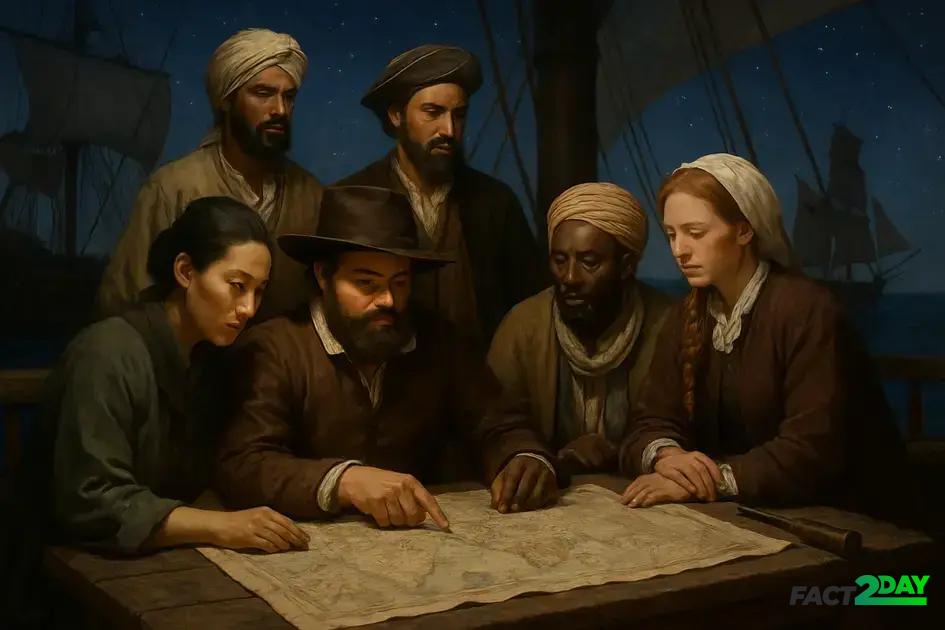
Imagine a courtroom where the defendant isn’t a person, but an animal. This unusual scenario was a real custom in medieval Europe. Animals, from pigs to beetles, were put on trial for crimes such as murder or damaging crops.
Animal trials in history
These trials were serious legal events, sometimes with lawyers appointed to defend the animals. Witnesses testified, and there were even opportunities to appeal verdicts. This practice illustrates how closely law and religion were connected at the time.
What these trials reveal
These trials show that animals were viewed as moral beings capable of responsibility. They were not merely considered property, but part of a worldview in which justice applied to all living creatures.
Although strange by today’s standards, these trials offer valuable insight into historical perspectives on justice, morality, and how humans understood their relationship with nature and the law.
How does Collective Memory Cultural History shape the way we understand our past and culture? This concept goes far beyond simple remembrance: it builds identities and connects generations. Let’s explore together how this shared memory influences our understanding of the world around us.
What is collective memory and its cultural importance
Collective memory refers to how groups remember and share the past together. It goes beyond individual memories to include shared stories, traditions, and symbols that connect people to their culture and history. This memory helps build a sense of community by preserving common experiences and values.
The role in culture
Collective memory shapes cultural identity by maintaining connections between generations. It influences how societies interpret their history and give meaning to events. Memories transmitted through rituals, monuments, and oral traditions ensure cultural continuity even as societies evolve.
Importance for society
Collectively held memories affect social cohesion and a sense of belonging. They help groups face challenges by learning from past experiences. Collective memory can also bring visibility to forgotten or marginalized histories, giving voice to those previously excluded.
Understanding collective memory encourages respect for diverse perspectives and deepens appreciation of cultural richness across communities.
Processes involved in building collective memory
The construction of collective memory involves several key elements that help communities share and preserve their past. Stories, rituals, symbols, and shared experiences unite people around common memories. These processes often occur through conversations, celebrations, and education.
Storytelling and oral traditions
One of the main ways collective memory is formed is through storytelling. Oral traditions pass down history and values from one generation to another, shaping how groups perceive themselves and their past.
Symbols and monuments
Symbols such as flags, monuments, and artworks represent important moments or ideas that shape collective memory. They act as physical reminders that evoke shared emotions and recollections.
Social rituals
Rituals and ceremonies mark significant events or anniversaries. These shared actions strengthen social bonds and ensure that memories remain active rather than fading over time.
Education also plays a vital role by formally teaching collective histories, helping younger generations understand their heritage and the lessons embedded within it.
Collective memory and cultural identity
Collective memory plays a crucial role in shaping cultural identity. It connects a group’s shared past with its present and future, offering a sense of continuity and belonging. Through collective memory, communities preserve traditions, values, and experiences that define their unique culture.
How identity is formed
Shared memories create bonds by highlighting common experiences and narratives. These narratives often emphasize heritage, language, and customs that distinguish one group from others.
The impact on cultural preservation
By maintaining collective memory, communities actively preserve their culture. This process ensures that important knowledge and practices are passed down through generations.
Memory as a social glue
Collective memory strengthens social cohesion by fostering shared understanding and mutual respect. It nurtures pride and belonging, allowing individuals to feel deeply connected to their community and its history.
Understanding the relationship between memory and identity helps societies value diversity and navigate change while honoring their roots.
The role of oral histories in collective memory
Oral histories are a fundamental component of collective memory. They preserve personal experiences and cultural knowledge often absent from written records. These stories are transmitted through conversations, interviews, and storytelling traditions, keeping memories alive across generations.
Connecting generations
Oral narratives pass wisdom and lessons from elders to younger members of the community, supporting cultural continuity and respect for the past.
Preserving diverse voices
Through oral histories, marginalized or overlooked groups can share their perspectives. This enriches collective memory by incorporating multiple viewpoints and lived experiences.
Adapting with technology
Today, technology enables the recording and widespread sharing of oral histories. Audio and video recordings preserve stories in their original voices and make them accessible worldwide.
Oral histories create a living memory that evolves over time while maintaining strong cultural roots.
Technologies and collective memory in the digital age
Digital technologies are transforming how collective memory is preserved and shared. Online platforms, social media, and digital archives allow communities to store and access cultural records instantly from anywhere in the world.
The role of digital archives
Digital archives gather photographs, videos, documents, and audio recordings that capture cultural heritage. These archives protect memories from loss and expand access to shared histories.
Social media and memory sharing
Social networks enable real-time sharing of personal and collective memories. This interactive process builds a dynamic, evolving collective memory shaped by ongoing contributions.
Challenges and opportunities
While technology offers many advantages, it also raises concerns about data privacy and long-term digital preservation. Communities must balance accessibility with safeguarding sensitive histories.
Overall, technology empowers people to preserve and strengthen their collective memory in innovative ways.
Collective memory in museums and cultural spaces
Museums and cultural spaces play a central role in preserving and sharing collective memory. They display artifacts, artworks, and exhibitions that tell the stories of communities and their heritage.
The role of museums
Museums collect, protect, and interpret cultural objects, helping visitors connect with the past through contextualized exhibits and educational programs.
Interactive experiences
Many cultural spaces offer interactive displays, workshops, and guided tours that invite active engagement with history, making memory preservation a shared experience.
Preserving diverse histories
Modern museums increasingly aim to include multiple perspectives, ensuring collective memory reflects all voices within a culture and promotes mutual understanding.
Challenges in preserving collective memory
Preserving collective memory faces many challenges, from the loss of oral traditions to the physical deterioration of artifacts. Time and environmental factors can cause valuable historical materials to decay or disappear.
Loss of firsthand witnesses
As older generations pass away, their stories may be lost if not recorded, reducing the depth of collective knowledge.
Technological and digital risks
While technology aids preservation, it also introduces risks such as data corruption, obsolete formats, and privacy issues. Continuous maintenance is essential for long-term access.
Political and social challenges
In some contexts, political agendas or social conflicts lead to the suppression or distortion of memories, affecting historical accuracy and collective understanding.
Addressing these challenges requires community engagement, conscious preservation efforts, and sustainable strategies.
The influence of collective memory on cultural policies
Collective memory shapes cultural policies by influencing how societies value and protect their heritage. Governments and institutions use shared memories to guide funding, preservation, and cultural promotion decisions.
Memory as a policy tool
Collective memory helps frame narratives that reinforce cultural identity. Policies often aim to sustain these narratives through museums, education, and public events.
Supporting cultural diversity
Recognizing diverse memories allows policies to promote inclusion and representation, fostering respect and social cohesion.
Challenges in policymaking
Balancing conflicting memories and interpretations is complex. Policymakers must consider multiple viewpoints to create fair and effective cultural strategies.
Historical examples of collective cultural memory
There are many significant historical examples of collective cultural memory. One is Día de los Muertos in Mexico, which honors ancestors through celebrations, food, and storytelling.
French Revolution memorials
Monuments and narratives related to the French Revolution shape France’s national identity and commemorate the struggle for liberty and equality.
African American oral traditions
In the United States, oral histories have preserved African American experiences and struggles, influencing cultural expression and social justice movements.
Remembrance Day in the UK
This day honors those who died in wars, symbolizing collective memory of sacrifice and national unity through ceremonies and symbols like poppies.
Collective memory and education
Collective memory plays a vital role in education by connecting students with their cultural heritage and history.
Integrating memory into the curriculum
Education systems incorporate collective memory through history, literature, and cultural studies, promoting awareness and respect for diverse traditions.
Learning through storytelling
Stories passed down through generations bring history to life, engaging students emotionally and encouraging critical reflection.
Building identity and belonging
Teaching collective memory fosters identity and belonging, helping students understand their place within a broader cultural narrative.
How to participate in and preserve collective memory
Participating in and preserving collective memory requires active involvement in cultural practices and community history.
Engage in storytelling
Sharing personal and community stories keeps memories alive through interviews, oral history projects, and family gatherings.
Support cultural institutions
Visiting museums, archives, and cultural centers helps sustain memory preservation efforts. Volunteering or donating further supports these institutions.
Use digital tools responsibly
Documenting memories through photos, videos, and social media spreads cultural heritage while respecting privacy and accuracy.
Preserving our collective memory for the future
Collective memory connects us to history, culture, and community. By actively preserving shared memories, we help keep cultural heritage alive.
Whether through storytelling, supporting cultural institutions, or using digital tools responsibly, everyone can contribute.
Protecting collective memory ensures that future generations understand and value the richness of their cultural roots, fostering a more connected and resilient society.