Starry Nights: A Guide to Amateur Astronomy
How to observe stars, planets, and constellations
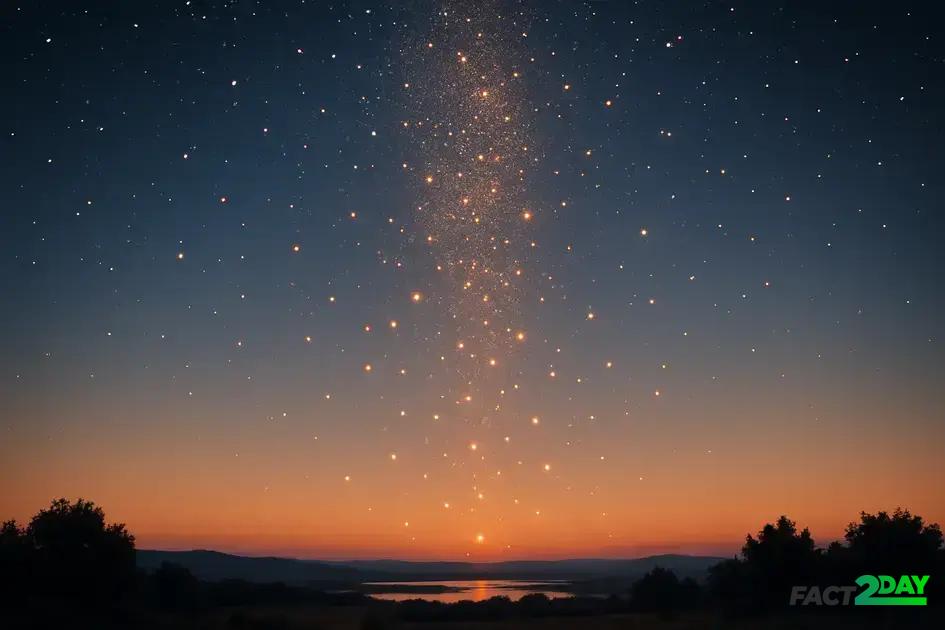
Exoplanets are planets orbiting stars beyond our Sun, discovered through precise methods like transit photometry, revealing thousands of diverse worlds and expanding our understanding of the universe.
Amateur Astronomy Observation is a passion that can transform your ordinary nights into journeys through the cosmos. Have you ever wondered how to recognize stars, constellations, and even planets right above you? Let’s explore this fascinating universe together, within reach of any curious mind.
What amateur astronomy is and why it is so fascinating
Astronomy for amateurs is the study and observation of celestial objects outside the professional scientific community. It is a hobby that allows anyone to explore the night sky, from stars and planets to comets and galaxies, using simple tools or even the naked eye.
What makes amateur astronomy so fascinating is its accessibility and the direct connection it creates with the universe. Unlike other hobbies, it offers a unique blend of science, beauty, and wonder. People of all ages and backgrounds can participate, discovering new patterns, tracking celestial events, and enjoying peaceful nights under the stars.
Amateurs often collaborate in discovering new comets, monitoring variable stars, or simply sharing their observations with communities worldwide. This vibrant interaction adds social value to the hobby and deepens our understanding of space.
Why start amateur astronomy?
Besides being educational and relaxing, amateur astronomy encourages curiosity and critical thinking. It enhances patience and observation skills as you learn to identify constellations and understand astronomical phenomena over time.
With modern technology like affordable telescopes and smartphone apps, amateur astronomers have access to tools once available only to professionals. This opens doors to endless exploration and learning.
Basic equipment to start observing the sky
To start observing the night sky, you don’t need expensive tools. Basic equipment can help you explore the stars and planets effectively. A simple pair of binoculars is a great start, allowing you to see craters on the moon and some of the brighter star clusters in more detail.
Telescopes come next for deeper exploration. There are many types, but a small refractor or reflector telescope with easy setup is best for beginners. These provide clearer views of planets, star clusters, and even some galaxies.
Additional helpful tools
A star map or app on your smartphone can guide you to constellations and celestial events. Red flashlights help preserve night vision, and a comfortable chair or blanket makes long sessions more enjoyable.
Remember, the best equipment is one you feel comfortable using regularly. Starting simple encourages consistent stargazing and gradual skill-building without overwhelm.
How to choose the best location for night sky observation
Choosing the best place for night sky observation is crucial to enjoy clear and detailed views. Look for dark areas away from city lights, as light pollution can make it difficult to see stars and other celestial objects.
Ideal locations often include rural areas, parks, or higher elevations where the air tends to be clearer and less humid. Check local weather forecasts to find nights with minimal cloud coverage and calm winds.
Factors to consider
Accessibility and safety are important. Choose places that are easy to reach and where you feel comfortable spending several hours. Consider bringing your own seating and lighting that won’t interfere with your night vision.
Joining local astronomy clubs or groups can help you discover popular observation spots and get advice from experienced observers. Maps or apps that show light pollution levels worldwide are great tools to plan your outings.
Understanding moon phases and their impact on observation
The moon’s phases play a big role in how well you can observe stars and celestial objects. The moon changes shape over roughly 29 days, cycling from new moon to full moon and back again.
During a new moon, the sky is darkest because the moon is not visible. This is the best time for stargazing because less light pollution allows faint stars and deep space objects to be seen clearly.
Impact of moon phases on observation
In contrast, a full moon brightens the night sky and can wash out many stars. Observing planets or the moon’s surface details is ideal during this phase, but deep sky objects may be harder to see.
The waxing and waning crescent and gibbous phases offer moderate light levels, which are good for spotting bright stars and some planets but still limit the visibility of dimmer objects.
Planning your observation nights according to the moon phase improves your chances of a successful and enjoyable astronomy session.
Techniques to identify stars and constellations
Identifying stars and constellations starts with recognizing bright stars and familiar shapes. Use the Big Dipper as a common reference point; its distinctive shape helps locate the North Star and other constellations.
Star hopping technique
This technique involves using known stars or constellations as “stepping stones” to find others. For example, after finding the Big Dipper, you can “hop” to the constellation Cassiopeia across the sky.
Using star maps and apps can simplify identification by showing your position in real time. These tools help you locate constellations based on the date and time.
Practice observing regularly and learn a few constellations at a time. Over time, your familiarity will grow, allowing you to recognize patterns quickly and spot less obvious stars.
Tips for photographing the night sky with simple equipment
Capturing stunning photos of the night sky can be done with simple equipment like a DSLR camera or even a smartphone with the right settings. Use a tripod to keep the camera steady during long exposure shots, which is essential for sharp images.
Camera settings for night sky photography
Set your camera to manual mode. Use a wide aperture (like f/2.8) to allow more light in, and a high ISO setting (between 800 and 3200) to capture faint stars. Shutter speed should generally be between 10 and 30 seconds, but avoid overexposing stars to prevent star trails unless that is the intended effect.
Use the camera’s timer or a remote shutter to reduce vibrations. Experiment with different angles and compositions, including elements like trees or mountains for added interest.
Smartphone users can download apps that allow manual control of exposure and focus. Night mode and long exposure features also enhance star visibility in photos.
How to use apps and technology to help with observation
Modern technology greatly enhances amateur astronomy. Apps for smartphones and tablets provide real-time star maps, identify celestial objects, and alert you to upcoming events like meteor showers or eclipses.
Popular astronomy apps
Apps like Stellarium, SkyView, and Star Walk use GPS to adjust the sky map based on your location. Simply point your device to the sky, and the app displays names and information about stars, planets, and constellations.
Many telescopes now feature Wi-Fi connectivity and can be controlled via apps, allowing easier alignment and tracking. This helps beginners find objects quickly without complex manual adjustments.
In addition to apps, dataloggers and digital cameras can integrate with computers for detailed observation and photography. These tools enhance learning and make the hobby even more engaging and interactive.
Essential care to protect your equipment
Protecting your astronomy equipment is essential to ensure longevity and optimal performance. Always store your telescope, binoculars, and accessories in a dry, dust-free environment to prevent damage and wear.
Handling and maintenance tips
Use lens caps and protective covers to shield optics from scratches and dirt. Clean lenses carefully with a soft brush or microfiber cloth; avoid harsh chemicals that can damage coatings.
Transport equipment in padded cases to minimize shock or impact. When setting up outdoors, choose stable surfaces and avoid windy or wet conditions that could cause instability or moisture damage.
Regularly check and tighten screws and mounts to maintain proper alignment. Inspect for signs of wear and perform preventive maintenance as needed. These habits ensure your gear stays reliable for crisp, clear observations.
Must-see astronomical events for beginner observers
For beginners, certain astronomical events offer spectacular viewing opportunities. Meteor showers like the Perseids in August and Geminids in December light up the sky with streaks of shooting stars, making them easy to enjoy without special equipment.
Other key events
Eclipses, both lunar and solar, provide dramatic sights. Lunar eclipses are safe to watch with the naked eye, while solar eclipses require proper eye protection.
Planetary oppositions, when planets like Mars or Jupiter appear brightest, are great times to observe with binoculars or telescopes. These events occur periodically and can be tracked with astronomy apps.
Joining local astronomy clubs or online communities can keep you informed about upcoming events and often provide organized viewing sessions.
How to create an observation journal to track your progress
Keeping an observation journal is a great way to track your progress and improve your astronomy skills. Write down the date, time, weather conditions, and location for each observation session.
What to record
Note the objects you observed, such as stars, planets, constellations, or meteor showers. Include details like brightness, color, and position in the sky. Sketching what you see can help reinforce your memory.
You can also record equipment used and any challenges faced. Over time, this log helps you recognize patterns and notice improvements in your observation skills.
Using digital tools or apps with note-taking features can make journaling easier and allow you to add photos and data. Regularly reviewing your journal encourages greater engagement and learning.
Embrace the Joy of Amateur Astronomy
Exploring the night sky as an amateur astronomer opens a world of discovery and wonder. With simple equipment, helpful apps, and a bit of patience, anyone can connect with the stars and deepen their understanding of the universe.
Keeping a journal of your observations helps you track progress and capture the magic of each night. Whether you are watching meteor showers or identifying constellations, every experience adds to your knowledge and enjoyment.
So grab your gear, find a dark spot, and start your journey through the stars. The universe is waiting to be explored, and your next great observation could be just a night away.