Exotic Fruits: Growing Them at Home
A Practical Beginner’s Guide to Growing Unique and Nutritious Exotic Fruits Successfully at Home
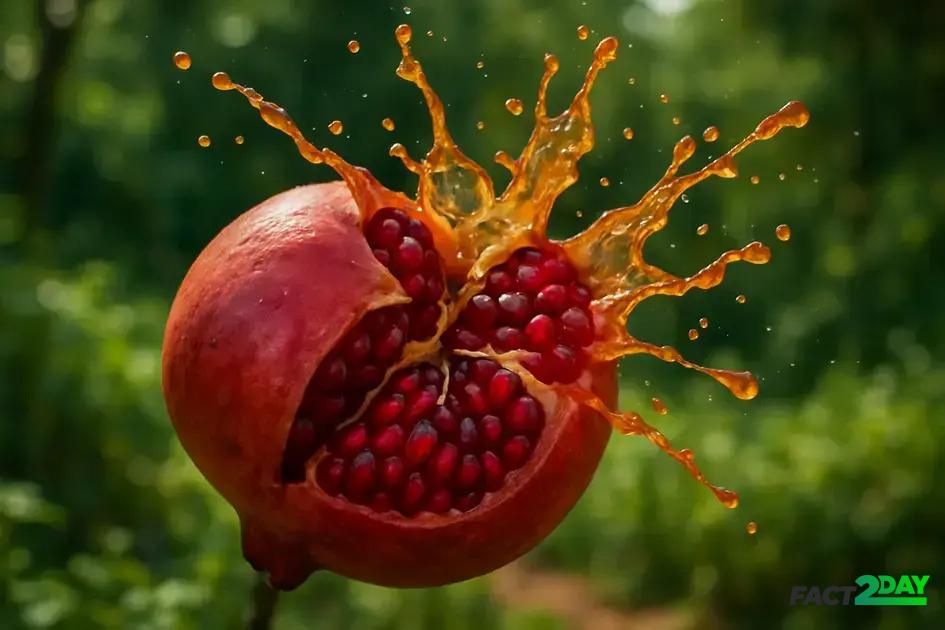
Are you curious to learn about growing rare and exotic fruits? Imagine being able to cultivate these varieties at home, discovering techniques that guarantee success and flavor. Let’s explore this universe together, uncovering everything you need to know to get started.
Understanding Rare and Exotic Fruits
Rare and exotic fruits are those not commonly found in regular supermarkets and often have unique flavors, shapes, and nutritional benefits. These fruits originate from diverse climates and regions, making them special for home cultivation. Understanding their characteristics helps you choose suitable varieties to grow at home, considering your local climate and space limitations.
Many exotic fruits require specific environmental conditions, such as humidity, temperature, and sunlight, to thrive. Examples include dragon fruit, cherimoya, and jabuticaba. Learning about each fruit’s origin and growth needs ensures better care and harvest results.
These fruits are excellent for adding variety to your diet and garden. They often contain high levels of antioxidants, vitamins, and minerals that contribute to health and wellness. For hobbyists and gardeners, cultivating rare fruits also offers a rewarding challenge and a connection to nature’s diversity.
Before starting, research each fruit’s growth cycle, soil preferences, and pest resistance. This knowledge is crucial for successful cultivation and can prevent common mistakes, saving time and resources.
How to Choose the Ideal Fruits for Home Cultivation
Choosing the right fruits for home cultivation starts with understanding your climate and available space. Some exotic fruits need tropical or subtropical conditions, while others tolerate cooler environments. Assess your local climate and pick varieties that will thrive naturally without needing excessive care.
Consider also the size of the fruit plants. Some rare fruits grow on small trees or bushes, perfect for limited garden spaces or containers, while others require more room. Space management is key to keep your garden healthy and productive.
Another important factor is the growth cycle and fruiting period. Select fruits that match your patience and care capabilities. Some exotics take longer to bear fruit, while others mature faster and provide quicker rewards.
Check the availability of quality seeds or seedlings from trusted sources. Healthy stock will improve your success rate and help avoid pests or diseases. Research the plant’s resistance to common diseases in your area for easier maintenance.
Lastly, think about your personal taste and how you plan to use the fruits. Whether for fresh eating, cooking, or juicing, picking fruits that you enjoy will keep you motivated and satisfied with your home garden.
Preparing the Soil for Exotic Fruits
Preparing the soil is a crucial step for successfully growing exotic fruits at home. Start by testing your soil’s pH level, which should ideally be slightly acidic to neutral, around 6.0 to 7.0, depending on the fruit species. Adjust the pH by adding lime to raise it or sulfur to lower it.
Next, enrich the soil with organic matter such as compost or well-rotted manure. This improves soil structure, drainage, and nutrient availability, which are vital for healthy root development. Exotic fruit plants often require soil that drains well but retains some moisture.
Loosen the soil thoroughly in the planting area, breaking up clumps and removing rocks or debris. This allows roots to penetrate easily and access nutrients. For container cultivation, use a high-quality potting mix designed for fruit-bearing plants.
Adding mulch around the plants helps retain moisture and regulate soil temperature. It also suppresses weeds that can compete for nutrients. Use natural materials like straw, shredded leaves, or bark chips as mulch.
Regularly monitor soil conditions and avoid overwatering, as waterlogged soil can cause root rot. Maintaining balanced soil moisture supports strong, healthy growth for your exotic fruit plants.
Ideal Climate and Environmental Care
Most exotic fruits thrive in warm and humid climates, similar to their native tropical and subtropical regions. Temperature plays a major role in their growth, with many fruits requiring daytime temperatures between 70°F and 85°F (21°C to 29°C) and minimal frost risk. Understanding the specific climate needs for each fruit is essential.
Sunlight is another important factor. Many exotic fruit plants need at least 6 to 8 hours of direct sunlight daily to produce healthy fruits. Providing adequate light helps with photosynthesis and encourages flowering and fruit development.
Environmental care includes maintaining proper humidity levels, which can be a challenge in dry regions. Using misting systems, humidifiers, or grouping plants together can help increase humidity around your plants.
Wind protection is also crucial, as strong winds can damage delicate leaves and flowers. Planting windbreaks or placing plants in sheltered areas reduces stress on the fruit trees.
Water management needs to be consistent but careful. Overwatering can cause root rot, while underwatering stresses the plants and limits fruit growth. Monitoring soil moisture regularly and watering accordingly is key.
Finally, adapting to seasonal changes and adjusting care practices accordingly support plant health. For example, in cooler months, reducing watering frequency and protecting plants from cold snaps will improve survival rates and productivity.
Planting Methods for Beginners
For beginners, starting with simple planting methods can make cultivating exotic fruits easier and more successful. One common method is direct seeding, which involves planting seeds directly in the soil or containers. This allows the plants to establish roots naturally, but results may take longer compared to other methods.
Another popular method is using seedlings or young plants. Purchasing healthy seedlings from a nursery helps bypass the slower germination phase and speeds up fruit production. Transplant the seedlings carefully into nutrient-rich soil to avoid stress.
Container planting is also a practical choice, especially for small spaces or urban gardens. Use pots with proper drainage and quality potting mix designed for fruit plants. This method allows better control of soil, water, and sunlight exposure.
Additionally, grafting is a technique where a branch from a desired fruit variety is joined onto a rootstock. This can improve fruit quality and plant resilience but requires more skill and practice.
Ensure proper spacing between plants to promote good air circulation and avoid competition for nutrients. Following recommended care routines like watering and feeding will enhance growth and fruit yield as you gain experience.
Efficient Irrigation for Rare Fruits
Efficient irrigation is key for growing rare fruits successfully. These plants often have specific water needs that must be met without overwatering, which can cause root rot. Drip irrigation is an excellent method as it delivers water directly to the roots, minimizing waste and evaporation.
Setting up a drip system with timers ensures the plants receive consistent moisture without daily manual watering. This automated approach is especially useful for home growers with busy schedules.
Mulching around the base of plants helps retain soil moisture by reducing evaporation. Use organic mulches like wood chips or straw to improve water retention and add nutrients to the soil as they decompose.
It’s important to monitor soil moisture regularly. Inserting a moisture meter or simply feeling the soil can help determine if watering is needed. Water when the top inch of soil feels dry to the touch.
Adjust watering frequency during different growth stages. Young plants need more frequent watering, while mature trees tolerate longer intervals. Be mindful of seasonal rainfall and reduce irrigation during wet periods to prevent over-saturation.
Fertilization and Essential Nutrients
Proper fertilization is essential for exotic fruit plants to grow healthy and produce quality fruits. These plants often need a balanced mix of nutrients, including nitrogen (N), phosphorus (P), and potassium (K), as well as trace elements like magnesium, calcium, and iron.
Nitrogen supports leafy growth, while phosphorus helps develop strong roots and flowers. Potassium improves fruit quality and disease resistance. Using a fertilizer formulated for fruiting plants ensures your exotic fruits get these vital nutrients.
Organic options like compost, manure, and fish emulsion enrich the soil naturally and improve its texture. These fertilizers release nutrients slowly, reducing the risk of burning roots from over-fertilization.
Apply fertilizers according to the plant’s growth stage. Young plants require more nitrogen to build foliage, while mature fruiting plants benefit from increased phosphorus and potassium. Always follow recommended dosages to avoid nutrient imbalance.
Regular soil testing is a good practice to identify nutrient deficiencies and adjust fertilization accordingly. Leaf color and plant vigor are visual indicators that can guide your feeding routine.
Incorporate mulching to conserve moisture and provide additional nutrients as organic matter breaks down, supporting a healthy nutrient cycle in your garden.
Natural Pest and Disease Control
Managing pests and diseases naturally is important to keep your exotic fruit plants healthy without harmful chemicals. Introducing beneficial insects like ladybugs and lacewings can control aphids and other pests efficiently. These insects act as natural predators and reduce the need for pesticides.
Using homemade sprays made from garlic, neem oil, or chili peppers helps repel common pests while being safe for plants and humans. Apply these treatments regularly, especially during the growing season.
Maintaining good garden hygiene is another effective strategy. Remove fallen leaves, rotting fruits, and debris promptly to prevent fungal and bacterial diseases from spreading. Proper spacing between plants also improves air circulation and reduces disease incidents.
Rotate your crops and avoid planting the same fruit species in the same spot year after year. This practice disrupts the life cycle of soil-borne pests and diseases.
Regularly inspect your plants for early signs of infestation or illness. Catching problems early allows you to respond quickly, minimizing damage. Use organic mulch to support healthy soil microbes that enhance plant immunity.
Pruning Techniques for Better Production
Pruning is essential to improve flowering, fruit production, and overall plant health. Begin by removing dead, damaged, or diseased branches to prevent the spread of pests and illnesses. Regular pruning also helps maintain the shape and size of your exotic fruit trees.
Thin out crowded branches to increase air circulation and sunlight penetration, which reduces the risk of fungal infections and promotes stronger fruit development. Use clean, sharp tools to make precise cuts without harming the plant.
Prune after the fruiting season or during the plant’s dormant period to stimulate new growth for the next cycle. For some species, light pruning during the growing season can encourage more flowering and fruiting.
Be mindful not to remove too much foliage at once, as leaves are vital for photosynthesis. Aim to remove about 10-20% of the tree’s canopy annually. Observe your plant’s natural growth patterns and prune accordingly.
Some exotic fruits benefit from specific pruning methods, such as heading cuts to encourage bushier growth or thinning cuts to open the canopy. Research your particular fruit species to apply the most effective techniques.
Proper Harvesting and Storage
Harvesting exotic fruits at the right time ensures the best flavor and nutritional value. Learn to recognize signs of ripeness such as color change, softness, and aroma specific to each fruit. Use clean, sharp tools to pick fruits carefully, avoiding damage.
After harvesting, handle fruits gently to prevent bruising. Some fruits continue to ripen off the plant, while others should be consumed or processed soon after picking.
Proper storage depends on the fruit type. Store delicate fruits in a cool, dry place or refrigerate to extend freshness. Use breathable containers or perforated bags to allow airflow and reduce moisture buildup.
For longer storage, consider freezing, drying, or making preserves and jams. These methods help keep exotic fruits edible beyond their natural shelf life.
Regularly check stored fruits for signs of spoilage such as mold or soft spots and remove affected items promptly to protect the rest.
Nutritional Benefits of Exotic Fruits
Exotic fruits are rich in essential vitamins and minerals that support overall health. Many provide high levels of vitamin C, which boosts the immune system and promotes healthy skin. Others contain vitamin A and antioxidants that help protect cells from damage.
These fruits often have unique fiber content, aiding digestion and supporting gut health. Fiber helps maintain healthy cholesterol levels and regulates blood sugar.
Many exotic varieties are packed with potassium, a mineral important for heart health and maintaining proper muscle function. Some also contain magnesium and calcium, which contribute to strong bones and metabolic processes.
Phytonutrients in exotic fruits, like flavonoids and carotenoids, offer anti-inflammatory and disease-preventing properties. These compounds may reduce the risk of chronic diseases like diabetes and heart disease.
Including diverse exotic fruits in your diet can enhance nutrient intake and introduce beneficial compounds less common in traditional fruits. This variety supports a balanced and colorful diet that promotes wellness.
Common Challenges in Home Cultivation
Growing exotic fruits at home comes with unique challenges. One common issue is adapting plants to local climate, as some species require specific temperature and humidity conditions that may be hard to maintain. This can affect plant health and fruit production.
Pests and diseases can also be a problem, especially if unfamiliar to typical home gardeners. Without proper knowledge, infestations can spread rapidly and damage crops. Implementing natural pest control and monitoring plants regularly helps manage these risks.
Space limitations may restrict the size and number of fruit plants you can cultivate. Some exotic trees grow large and need room to spread. Container gardening and dwarf varieties can be solutions to small spaces.
Another challenge is obtaining quality seeds or seedlings. Not all exotic fruit plants are readily available in local nurseries, sometimes requiring reliable sources or online purchases, which may involve quarantine or import regulations.
Lastly, patience is essential. Many exotic fruits take longer to bear fruit compared to common varieties. Understanding the growth cycle and committing to long-term care ensures better results and satisfaction with your home garden.
How to Obtain Quality Seedlings and Seeds
Obtaining quality seedlings and seeds is crucial for successful exotic fruit cultivation. Start by sourcing from reputable nurseries or suppliers known for healthy, disease-free plants. Avoid plants that look weak or have signs of pests.
Seeds should be fresh and viable. Check the packaging date and storage conditions if buying packaged seeds. Some exotic fruit seeds require special treatment like soaking or scarification to improve germination rates.
Local agricultural extension services or gardening clubs can be valuable resources for finding trusted sources and advice on seedling care. Online forums and marketplaces may offer rare varieties but research sellers thoroughly before purchase.
When acquiring seedlings, ensure they are young but well-rooted. Healthy roots should be white, firm, and not overcrowded in pots. Transplant seedlings carefully to minimize stress and improve establishment.
Consider quarantine periods when introducing new plants to your garden to monitor for pests and diseases, preventing their spread to existing plants.
Trends and Market Opportunities for Rare Fruits
The market for rare exotic fruits is growing rapidly as consumers seek unique flavors and health benefits. Specialty fruits often command higher prices due to their scarcity and cultivation challenges. Trendy fruits like dragon fruit, mangosteen, and rambutans are becoming popular in gourmet cooking and health food circles.
Consumer interest in organic and sustainably grown produce also boosts demand for exotic fruits. Small-scale growers can capitalize on this by marketing their fruits as locally grown and pesticide-free.
The rise of farmer’s markets, online sales, and subscription boxes offers new sales channels for rare fruit producers. Direct-to-consumer models help growers build relationships with buyers and receive feedback on preferences.
Innovations in cultivation techniques and the development of dwarf or hybrid varieties make exotic fruit growing more accessible to home gardeners and urban farmers.
Industry experts predict continued growth in exotic fruit consumption as people explore diverse diets and adventurous eating experiences, making this a promising niche market for growers and entrepreneurs.
Bringing Exotic Fruits into Your Home Garden
Growing rare and exotic fruits at home offers a rewarding experience full of unique flavors and health benefits. Though it comes with some challenges like climate needs and pest control, careful planning and proper care can make cultivation successful.
By understanding the right selection, soil preparation, watering, and harvesting techniques, you can enjoy fresh and nutritious fruits right from your garden. Exploring this niche market and new trends also adds excitement for both hobbyists and entrepreneurs.
Start small, be patient, and enjoy the journey of discovering the fascinating world of exotic fruit growing. With dedication, your home garden can become a fruitful paradise full of nature’s wonders.