Cérebro que Aprende: Neurociência da Educação
How brain science is transforming education and learning strategies
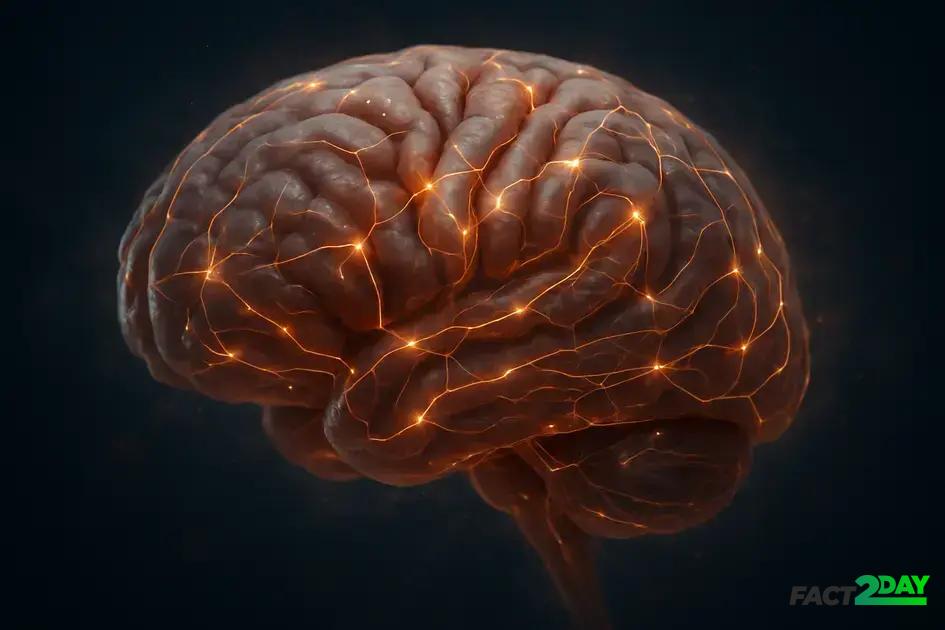
Have you ever wondered how the brain really learns? The Neuroscience of Learning uncovers the mysteries behind this incredible ability, showing how our brain absorbs and transforms information. Let’s explore this fascinating universe together.
What is the neuroscience of learning?
The neuroscience of learning is the study of how the brain acquires, processes, and retains information. It combines neuroscience and educational psychology to understand the biological mechanisms behind learning. This field explores how neurons communicate, form connections, and adapt through experiences, a key process called neuroplasticity.
At its core, the neuroscience of learning examines how different brain regions contribute to various learning functions, such as memory, attention, and problem-solving. By understanding these processes, educators can create teaching strategies that align with how the brain works best, making learning more effective and engaging.
This science also investigates how factors like emotions, sleep, and environment influence learning. For example, stress can negatively affect memory retention, while sleep helps consolidate new knowledge. Understanding these influences helps optimize educational approaches and supports lifelong learning.
In summary, the neuroscience of learning offers valuable insights into the inner workings of the brain during learning, guiding better methods to help individuals of all ages reach their full potential.
How the brain processes information
The brain processes information through a complex network of neurons that transmit signals via synapses. When we encounter new information, neurons communicate by sending electrical impulses, which create patterns of activity essential for understanding and memory.
Sensory input is the first step, where information from the environment is received through our senses. This data is then routed to specific brain areas for analysis. For example, visual information travels to the occipital lobe, while sounds are processed in the temporal lobe.
Encoding occurs as the brain converts sensory data into a form that can be stored. This involves strengthening connections between neurons, a process known as synaptic plasticity. The stronger these connections, the more likely the information will be remembered.
Working memory temporarily holds information for immediate use, such as solving a problem or having a conversation. Meanwhile, long-term memory stores information for extended periods, making retrieval possible later.
Efficient information processing depends on attention, repetition, and the emotional impact of the material. Emotions can enhance memory by activating brain regions like the amygdala. Distractions or stress, however, can impair this process.
The importance of neuroplasticity
Neuroplasticity is the brain’s incredible ability to change and adapt throughout life. This means that the brain can reorganize itself by forming new connections between neurons in response to learning or experience.
When we learn something new, our brain strengthens certain neural pathways and can even create new ones. This adaptability is what allows skills to improve, memories to form, and behaviors to change. Without neuroplasticity, learning would be extremely limited.
Neuroplasticity also plays a key role in recovery after brain injuries. The brain can compensate for lost functions by reallocating tasks to other areas. This remarkable feature shows how adaptable and resilient our brain truly is.
Factors such as age, environment, and the type of learning can influence how neuroplasticity works. For example, younger brains tend to be more flexible, but adults also retain significant capacity to adapt. Engaging in new activities and challenging mental tasks can boost neuroplasticity.
In education, understanding neuroplasticity helps develop techniques that encourage active learning and repeated practice, which are essential to solidifying new knowledge and skills.
Factors that influence learning
Several key factors influence how well we learn and retain information. Understanding these can help improve educational outcomes and personalize learning approaches.
Attention is crucial; without focus, information is less likely to be processed deeply. Distractions reduce the brain’s ability to encode new material effectively.
Motivation drives engagement. When learners see meaning or value in what they study, their brain releases dopamine, which enhances learning and memory.
The environment also matters. A quiet, comfortable, and stimulating setting supports concentration. Conversely, stress or discomfort can impair cognitive functions.
Sleep plays a vital role by consolidating memories. Without enough rest, the brain struggles to organize and store information.
Additionally, prior knowledge affects learning by providing a framework to connect new concepts. Social interactions and emotional support can further boost understanding and retention.
Nutrition and physical health impact brain function too. A balanced diet and exercise promote better cognition and alertness.
Differences between short-term and long-term memory
Short-term memory holds information temporarily for seconds to minutes. It’s like a mental scratchpad where we briefly store data, such as a phone number we just heard. This type of memory has a limited capacity, usually holding about 7 items at once.
Long-term memory, on the other hand, stores information for longer periods, from hours to a lifetime. It allows us to retain knowledge, skills, and experiences. The brain organizes long-term memories into different types, including explicit (facts and events) and implicit (skills and habits).
Information typically moves from short-term to long-term memory through a process called consolidation. This often requires attention, repetition, and sometimes emotional engagement to become stable and retrievable later.
While short-term memory is sensitive to distractions and easily lost, long-term memory is more durable but can also be affected by decay or interference. Factors such as sleep and brain health play important roles in maintaining both types of memory.
Understanding the differences between these memory types helps create better learning strategies, such as chunking information for short-term recall and using spaced repetition to strengthen long-term retention.
How sleep impacts learning
Sleep plays a vital role in learning by helping the brain process and store new information. During sleep, especially in deep and REM stages, the brain consolidates memories, making it easier to recall information later.
When we learn during the day, the brain forms new connections between neurons. Sleep strengthens these connections, which is essential for long-term retention and skill development. Without enough quality sleep, this process becomes less efficient.
Studies show that lack of sleep negatively affects attention, concentration, and problem-solving skills. This makes learning more difficult because the brain struggles to focus and encode new information.
The duration and quality of sleep both matter. Most people need 7-9 hours of sleep to support optimal cognitive function. Interruptions or poor sleep hygiene can impair memory and reduce the ability to learn.
In summary, prioritizing good sleep habits enhances your brain’s ability to learn, remember, and perform complex tasks.
The role of emotions in learning
Emotions greatly influence how we learn and remember information. When we feel interested or excited, our brain releases chemicals like dopamine, which enhance motivation and memory formation.
On the other hand, negative emotions such as stress or anxiety can interfere with learning by activating the brain’s fear center, the amygdala. This can block areas responsible for memory and attention.
Creating a positive emotional environment helps learners feel safe and engaged, which boosts concentration and encourages exploration. Teachers and trainers who recognize this can use emotional cues to support better learning outcomes.
Emotional experiences are often linked to stronger memories because they trigger deeper brain processing. For example, exciting or personal stories tend to stick in our minds longer than neutral facts.
Mindfulness and emotional regulation techniques can also improve learning by reducing stress and encouraging focus. Recognizing the role of emotions allows for tailored approaches that support both cognitive and emotional development.
Neuroscience-based techniques to study better
Applying techniques based on neuroscience can significantly improve how we study and retain information. One effective method is spaced repetition, which involves reviewing material at increasing intervals to strengthen memory consolidation.
Another approach is active recall, where learners actively test themselves instead of passively rereading notes. This technique enhances neural connections and promotes better retention.
Using multisensory learning—engaging sight, sound, and touch—helps stimulate different brain areas, making learning more effective and enjoyable.
Creating a distraction-free environment supports focus and attention, crucial for deep learning. Short breaks during study sessions allow the brain to rest and process information, improving overall efficiency.
Sleep and proper nutrition also play essential roles in learning, aiding memory consolidation and brain function.
Finally, setting clear goals and maintaining motivation can activate brain reward systems, which boosts persistence and effectiveness when studying.
The impact of stress on the learning process
Stress can significantly affect the learning process by interfering with how the brain encodes, stores, and retrieves information. When stressed, the brain releases cortisol, a hormone that, in high levels, can impair memory and concentration.
Acute stress may temporarily enhance focus, but chronic stress negatively impacts the hippocampus, the brain area responsible for learning and memory formation.
High stress levels can reduce motivation and increase anxiety, making it harder to stay engaged with learning tasks. This can lead to decreased performance and difficulty retaining new information.
Effective stress management techniques like mindfulness, relaxation exercises, and regular physical activity can help maintain cognitive functions and improve learning outcomes.
Creating supportive learning environments that reduce pressure and encourage positive reinforcement also plays a key role in minimizing stress-related learning difficulties.
Practical applications in modern education
Modern education benefits greatly from practical applications of neuroscience. One key example is using brain-based learning strategies that align with how the brain naturally processes information. This includes encouraging active participation and multisensory engagement.
Technology plays a major role by providing adaptive learning platforms that tailor content to each student’s needs, improving engagement and retention. Tools like educational apps use data to adjust difficulty and provide instant feedback.
Collaborative learning environments also leverage neuroscience by stimulating social interaction, which enhances motivation and cognitive development.
Mindfulness and stress reduction programs are increasingly integrated into schools to create supportive atmospheres and improve focus.
Physical activity is recognized as essential, as it increases blood flow to the brain, supporting memory and concentration.
These practical applications help educators create personalized, effective, and engaging experiences that boost learning outcomes in today’s diverse classrooms.
The future of neuroscience in education
The future of neuroscience in education promises to transform how we teach and learn. Advances in brain imaging and artificial intelligence will provide deeper insights into individual learning styles and cognitive strengths.
Personalized learning driven by neuroscience data will enable tailored educational experiences that adapt in real-time to a student’s progress and needs.
Emerging technologies like neurofeedback and brain-computer interfaces may help optimize focus, memory, and motivation by directly interacting with neural activity.
Integration of virtual and augmented reality can create immersive learning environments that stimulate various brain regions, enhancing engagement and retention.
Ethical considerations will be crucial as neuroscience tools become more sophisticated, ensuring privacy and equal access to these innovations.
Collaboration between neuroscientists, educators, and technologists will shape curricula and teaching methodologies that harness the brain’s full potential, making learning more effective and inclusive for future generations.
Looking Ahead: The Promise of Neuroscience in Education
Neuroscience offers exciting opportunities to improve how we learn and teach. As research and technology advance, education will become more personalized, engaging, and effective for everyone.
By understanding the brain’s role in learning, educators can create better strategies that help students reach their full potential. Collaboration across fields will be key to shaping this future.
Embracing these changes can lead to a more inclusive and innovative education system that supports lifelong learning for all.