Beneath the Earth: The Future of Underground Cities
How futuristic underground cities are redefining sustainable urban development through smart infrastructure, renewable energy solutions, and innovative architectural design below the surface.
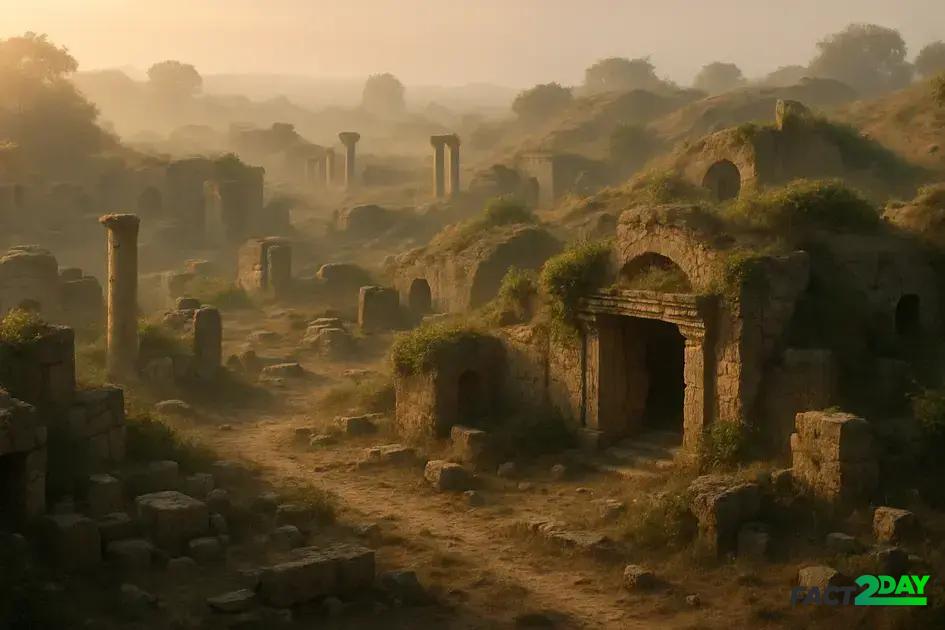
Have you ever imagined what futuristic underground cities will be like? With urban growth and climate change, exploring the future beneath the earth could be the key to a sustainable life. Let’s discover this fascinating possibility together!
The Evolution of Underground Cities
The evolution of underground cities reflects humanity’s quest for sustainable living spaces that adapt to growing urban populations and environmental challenges. Historically, people have sought refuge below the surface, from ancient cave dwellings to underground bunkers during wartime. Today, this evolution is driven by advanced technology and innovative design, focusing on creating livable, efficient, and eco-friendly subterranean environments.
Historical Roots and Modern Innovations
Early subterranean habitats were simple and functional, providing shelter and protection. Modern underground cities, however, incorporate cutting-edge engineering, sustainable energy solutions, and smart infrastructure. Innovations like natural light simulation, air purification systems, and vertical farming make these cities more habitable and connected to the surface world.
As urban areas face overcrowding and resource scarcity, the development of these futuristic underground environments offers a promising alternative. They can reduce surface congestion, lower environmental footprints, and create new opportunities for social and economic growth.
Looking Ahead
The continuous advancement in construction materials, renewable energy, and artificial intelligence will further accelerate the transformation of underground cities. From sustainable resource management to integrated transportation networks, these features emphasize resilience and innovation in addressing future urban challenges.
Environmental Benefits of Underground Cities
Underground cities offer several environmental benefits that make them attractive solutions to urban challenges. By building below the surface, these cities reduce the pressure on natural landscapes, helping to preserve green areas and wildlife habitats. This approach minimizes urban sprawl and prevents deforestation.
Energy Efficiency and Climate Control
One of the main advantages of subterranean living is natural insulation. The earth keeps underground environments cooler in summer and warmer in winter, which significantly reduces the need for artificial heating and cooling. This leads to lower energy consumption and fewer greenhouse gas emissions.
Improved Air and Water Management
Modern underground cities often integrate advanced systems for air purification and water recycling. These technologies help maintain clean air quality and efficient water use, crucial in combating pollution and scarcity. Managing stormwater underground can also prevent flooding and reduce the impact on surface drainage systems.
Waste Reduction and Sustainable Living
Subterranean cities can implement closed-loop waste management systems that recycle and repurpose materials more effectively. This promotes a circular economy and reduces landfill waste. Additionally, the proximity of vertical gardens and urban farms supports local food production, reducing transportation emissions.
Overall, underground cities have the potential to transform urban environments by making them more sustainable, resilient, and better integrated with natural ecosystems.
Technical Challenges in Underground Construction
Building underground cities involves unique technical challenges that require innovative solutions. One major issue is the pressure exerted by the surrounding earth, which demands structures to be strong and flexible. Engineers must use advanced materials and design techniques to ensure safety and stability.
Waterproofing and Drainage
Controlling water seepage is critical since underground environments are prone to moisture and flooding. Effective waterproofing and drainage systems prevent damage and maintain dry, habitable spaces. This involves sophisticated barriers and pumps to manage groundwater.
Ventilation and Air Quality
Maintaining fresh air underground is challenging. Complex ventilation systems and air filtration technologies are essential to circulate clean air and remove pollutants. These systems must be energy-efficient and reliable to support human health.
Lighting and Energy Supply
Natural light is scarce underground, so artificial lighting must mimic sunlight to support well-being. Energy infrastructure must be robust, incorporating renewable sources to power lighting, ventilation, and other systems sustainably.
Construction Logistics
Excavation and construction below the surface require careful planning to avoid disrupting existing urban infrastructure. Transporting materials and machinery into confined spaces is complex and demands specialized equipment.
Addressing these challenges is fundamental to developing viable futuristic subterranean cities that are safe, healthy, and sustainable places to live.
Energy Solutions for Underground Environments
Energy solutions for underground environments must address unique challenges like limited space, ventilation needs, and sustainability. Renewable energy sources such as geothermal power are highly suitable because they harness the earth’s natural heat, providing efficient and consistent energy.
Solar Power Integration
While sunlight is scarce underground, solar power can support these cities by generating energy on the surface and transmitting it below. Advanced batteries and smart grids help store and distribute this electricity efficiently.
Wind and Hydroelectric Energy
In some cases, wind energy can be harnessed aboveground and funneled into subterranean grids. Hydroelectric power, through underground water flow systems, also offers a sustainable way to generate clean energy within underground cities.
Energy Storage and Management
Underground cities use cutting-edge energy storage systems like lithium-ion batteries and supercapacitors to maintain a stable power supply. Intelligent management systems monitor usage, allowing for adaptive control and energy conservation.
These innovative energy solutions ensure underground environments remain self-sufficient, sustainable, and resilient, supporting the complex infrastructure needed for modern subterranean life.
Emerging Technologies for Underground Living
Emerging technologies are transforming the way we envision and build life underground. Innovations such as smart sensors monitor air quality, temperature, and structural integrity in real time, ensuring safe and comfortable environments for residents.
Advanced Robotics and Automation
Robots play a key role in constructing and maintaining underground infrastructure. They can perform complex tasks in confined spaces, improving efficiency and safety. Automated systems also manage energy use, lighting, and waste disposal to optimize resource consumption.
Biophilic Design and Vertical Farming
Bringing nature underground is made possible through vertical farms and biophilic design principles. These methods enhance air quality, provide fresh food, and boost mental well-being by integrating green spaces into subterranean areas.
Augmented Reality and Connectivity
Augmented reality (AR) assists residents and workers by overlaying digital information onto physical spaces. High-speed connectivity networks enable seamless communication and smart city functions, making underground living as connected as surface cities.
Together, these emerging technologies create sustainable, livable, and adaptive underground cities ready for the future.
Social and Community Impact of These Cities
Underground cities have the potential to reshape social and community dynamics in profound ways. Living beneath the surface encourages close-knit communities due to shared spaces and resources, fostering strong social bonds among residents.
Community Design and Social Interaction
Careful urban planning ensures public areas promote interaction, such as communal gardens, shared recreational spaces, and cultural hubs. These features support mental health and a sense of belonging in underground environments.
Accessibility and Inclusivity
Designing inclusive spaces with accessibility in mind is crucial. Elevators, ramps, and clear signage help all individuals, including those with disabilities, move freely and safely. Social programs can bridge gaps and encourage participation among diverse groups.
Challenges and Opportunities
While underground living poses psychological challenges like limited natural light, solutions such as simulated daylight and green spaces alleviate these effects. Participation in local governance and community activities can empower residents, strengthening social ties.
The social impact of underground cities extends to creating resilient, supportive communities that adapt to new ways of urban living below ground.
Innovative Underground Architecture and Design
Innovative underground architecture blends functionality with aesthetics to create unique living and working environments. Designers focus on maximizing space, light, and air circulation to make subterranean areas comfortable and inviting.
Use of Natural Elements
Incorporating natural materials like stone, wood, and plants helps soften the underground environment, promoting wellbeing. Vertical gardens and green walls bring life and color, creating a connection to nature despite the lack of natural sunlight.
Lighting Design
Creative lighting solutions mimic natural daylight, using LED systems that adjust in color and intensity throughout the day. Skylights and light tubes may channel sunlight from above, enhancing the sense of openness.
Space Optimization and Flow
Smart layouts improve navigation and functionality in confined underground spaces. Open floor plans, multi-use areas, and modular furniture adapt to various needs, promoting efficiency and flexibility.
The integration of cutting-edge technology with artistic expression results in futuristic underground spaces that are both practical and inspiring, redefining how we live below the surface.
Security and Sustainability in Underground Cities
Security and sustainability are critical components in the design and operation of underground cities. Due to their enclosed nature, these cities require advanced safety systems to protect inhabitants from natural hazards and technical failures.
Structural Integrity and Disaster Preparedness
Buildings and infrastructure must be engineered to withstand earthquakes, flooding, and other emergencies. Early warning systems and evacuation routes are integrated to ensure rapid response and resident safety.
Environmental Sustainability Practices
Underground cities often incorporate renewable energy sources, waste recycling, and water conservation methods. These practices reduce environmental impact and promote long-term resource management.
Monitoring and Maintenance Technologies
Continuous monitoring of air quality, structural health, and energy use helps maintain a safe and sustainable living environment. Automated maintenance systems can detect and address issues before they escalate.
By combining robust security measures with eco-friendly technologies, subterranean cities can offer safe, resilient, and green urban spaces below the surface.
Integration with the Urban World Above Ground
Integrating underground cities with the urban world above ground is essential for seamless connectivity and efficient urban living. Vertical transport systems like elevators and escalators provide quick access between levels, reducing travel time and enhancing mobility.
Transportation Networks
Subterranean metros, tunnels, and pathways link underground cities to surface transport hubs, facilitating smooth movement of people and goods. These networks reduce traffic congestion and pollution above ground.
Urban Planning and Zoning
Coordinated planning ensures that underground developments complement existing architectural styles and city layouts. Zoning regulations help balance residential, commercial, and public spaces both below and above ground.
Communication and Utilities
Advanced communication systems integrate subterranean and surface networks, providing reliable internet, phone, and emergency services. Utilities like water, electricity, and waste disposal are carefully managed to maintain efficiency and sustainability.
The integration of underground cities with surface urban areas creates a dynamic, functional metropolis that combines the best of both worlds, improving quality of life and urban resilience.
Transportation and Mobility in Underground Spaces
Transportation and mobility within underground spaces require smart, efficient systems to ensure smooth and safe movement for residents and goods. Automated rapid transit systems like driverless trains and shuttle pods are ideal for reducing travel time and congestion below ground.
Multimodal Transport Solutions
Integrating different transportation modes—such as pedestrian pathways, bike lanes, and electric scooters—encourages flexibility and convenience. These modes are designed to coexist seamlessly within compact subterranean environments.
Vertical Mobility
High-speed elevators and escalators connect various underground levels to the surface, providing quick transitions. These vertical transport options are essential for accessibility and efficient circulation.
Smart Traffic Management
Advanced sensors and AI systems monitor traffic flow, optimize routes, and enhance safety. Smart traffic lights and real-time updates minimize delays and prevent accidents in crowded underground corridors.
The combination of innovative transportation technologies ensures that subterranean cities offer reliable, sustainable, and user-friendly mobility, making underground living practical and attractive.
Economy and Jobs Generated by Underground Cities
Underground cities can drive new economic opportunities and job creation in various sectors. As these cities develop, they require skilled professionals in construction, engineering, urban planning, and environmental sciences. This growth stimulates local economies and creates diverse employment options.
New Industries and Markets
The development and maintenance of subterranean infrastructure open doors for innovative industries such as renewable energy installation, advanced ventilation system engineering, and smart technology integration. This fosters an emerging market focused on underground living technologies.
Boost to Local Businesses
Retail, entertainment, and service sectors within underground cities generate jobs and business growth. Residents need daily essentials, healthcare, education, and leisure, all of which support a thriving economic ecosystem.
Long-Term Economic Sustainability
Investment in underground cities promotes sustainable development through efficient resource use and resilient infrastructure. This attracts further investment, encouraging economic stability and job creation over the long term.
Overall, subterranean cities offer promising economic benefits, supporting diverse job opportunities and contributing to sustainable urban growth.
The Future of Underground Cities and Global Trends
The future of underground cities is poised to reshape global urban living through innovative technologies and sustainable design. As populations grow and surface space becomes scarce, subterranean development offers a viable solution to accommodate expanding needs while minimizing environmental impact.
Advancements in Construction Technology
New materials and building techniques, including 3D printing and modular construction, allow faster, safer, and more cost-effective subterranean developments. These advances reduce construction waste and improve flexibility in design.
Global Trends and Collaboration
Countries around the world are investing in underground infrastructure as part of smart city initiatives. Collaboration between governments, private sector, and academia drives research and innovation, fostering shared knowledge and scalable solutions.
Sustainability and Resilience
Future underground cities will prioritize energy efficiency, renewable resources, and climate resilience. Integration with surface ecosystems ensures environmental harmony, while advanced monitoring systems enhance safety and adaptability.
Overall, global trends indicate that underground cities will become key to sustainable urban growth, technological advancement, and improved quality of life worldwide.
Looking Ahead: Embracing the Future of Underground Cities
Underground cities offer exciting possibilities to address urban challenges and create sustainable living environments. With innovative technologies and thoughtful design, these spaces can enhance our quality of life while protecting the planet.
As we continue to explore and develop subterranean living, collaboration and forward-thinking will play key roles in turning ideas into reality. These cities promise to be a vital part of the future urban landscape, providing smart, resilient, and connected communities below the surface.
Embracing this future means rethinking how we live, work, and interact with our environment. The potential is immense and the journey has just begun.