Live Foods: The Probiotic Power of Fermented Foods
Probiotic fermented foods offer surprising benefits for digestive health and overall well-being. Discover their natural power!
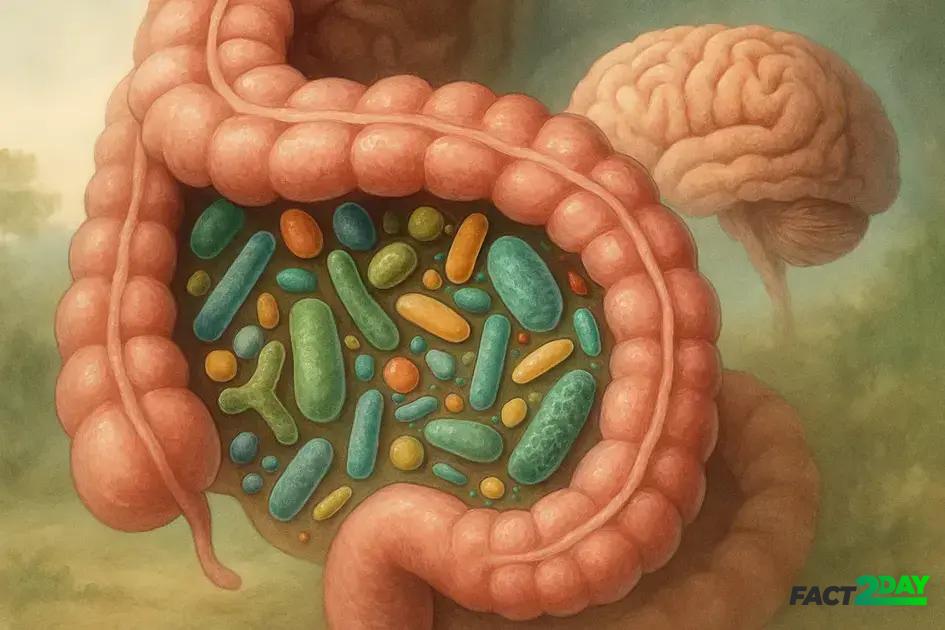
Have you ever heard of probiotic fermented foods? They are true allies for gut health and well-being. Want to understand how these living foods can transform your diet and protect your body? Come along on this journey of discovery!
What are probiotic fermented foods?
Fermented probiotic foods are foods that have undergone natural fermentation, a process where beneficial bacteria and yeasts break down sugars and other compounds. This process not only preserves the food but also increases its nutritional value and produces live microbes called probiotics. These probiotics help balance the gut microbiome, supporting better digestion and immune health.
Common examples of fermented probiotic foods include yogurt, kimchi, sauerkraut, kefir, and kombucha. Each contains unique strains of live bacteria which can vary depending on the source and fermentation method. The key is that these foods are “alive” with microorganisms that can positively influence your health when consumed regularly.
Understanding these foods is essential because not all fermented foods contain live probiotics. Some may be pasteurized after fermentation, which kills beneficial bacteria. Choosing raw or unpasteurized versions ensures you get the full probiotic benefits. Incorporating a variety of these foods into your diet can help maintain a healthy gut flora and contribute to overall well-being.
History and tradition of fermented foods
Fermented foods have a rich history and tradition across many cultures worldwide. For thousands of years, people have used fermentation to preserve foods and improve their flavor and digestibility. Historical records show that ancient civilizations like the Chinese, Egyptians, and Romans used fermentation to make products like soy sauce, beer, and cheese.
In many cultures, fermented foods play a crucial role in daily diets and rituals. For example, kimchi in Korea and sauerkraut in Germany have cultural significance and have been passed down through generations. These traditions often involve specific techniques and recipes that highlight regional ingredients and tastes.
The process of fermentation not only allowed early humans to extend the shelf life of food but also introduced natural probiotics that benefit health. This ancient practice remains relevant today, linking modern nutrition with cultural heritage and traditional wisdom.
Benefits of fermented foods for gut health
Fermented foods bring significant benefits to gut health by supporting the balance of good bacteria in the digestive system. Eating these foods regularly can enhance digestion, reduce bloating, and help ease common digestive issues like constipation and diarrhea.
The probiotics found in fermented foods produce substances that maintain a healthy gut lining and prevent harmful bacteria from growing. This helps improve nutrient absorption and boosts immune function since much of the immune system is connected to the gut.
Studies show that consuming fermented foods can also reduce inflammation and may help with conditions like irritable bowel syndrome (IBS). They supply enzymes that break down food more efficiently and promote the growth of beneficial microbes, creating a balanced ecosystem in the intestines.
Including a variety of fermented foods like yogurt, kefir, kimchi, and sauerkraut in your diet can help build a strong foundation for overall digestive health and well-being.
Main microorganisms involved in fermentation
Fermentation relies on specific microorganisms that transform food by breaking down sugars and producing acids, gases, or alcohol. The main groups involved are lactic acid bacteria, yeasts, and molds.
Lactic acid bacteria (LAB) are the most common and important in many fermented foods. They convert sugars into lactic acid, which preserves food and gives it a tangy flavor. Common LAB include Lactobacillus, Leuconostoc, and Streptococcus species, found in yogurt, sauerkraut, and kimchi.
Yeasts are fungi that ferment sugars into alcohol and carbon dioxide. They play a key role in products like beer, wine, and sourdough bread. Species like Saccharomyces cerevisiae help develop flavor and texture.
Molds are used in specific fermentations, especially in cheeses like blue cheese and Camembert. They contribute unique flavors and help ripen the food by breaking down proteins and fats.
Each microorganism group contributes differently, but they all work together to enhance flavor, texture, and nutritional value through natural fermentation.
How probiotics work in the body
Probiotics are live microorganisms that, when consumed in adequate amounts, provide health benefits by balancing the gut flora. They help maintain a healthy digestive tract by competing with harmful bacteria and supporting the growth of good microbes.
Once inside the body, probiotics colonize the intestines and can strengthen the gut barrier, which prevents toxins and pathogens from entering the bloodstream. This barrier effect is vital for maintaining overall health and preventing infections.
Probiotics also aid digestion by producing enzymes that help break down food and absorb nutrients more efficiently. Moreover, they can modulate the immune system, enhancing its ability to respond to threats while reducing inflammation.
Some strains of probiotics produce vitamins like vitamin K and B vitamins, contributing further to the body’s nutritional needs. Additionally, probiotics can influence the gut-brain axis, potentially improving mood and cognitive function.
Difference between fermented foods and isolated probiotics
Fermented foods and isolated probiotics both benefit gut health, but they differ in form, content, and effects. Fermented foods are whole foods produced by natural fermentation processes involving live bacteria or yeasts. These foods contain a variety of beneficial microbes, enzymes, and nutrients formed during fermentation.
In contrast, isolated probiotics are specific strains of bacteria or yeast extracted and concentrated into supplements or fortified products. They provide targeted health benefits, but lack the complex matrix of nutrients and other microbes found in fermented foods.
Fermented foods like yogurt, kimchi, and sauerkraut offer a diverse microbial community, which may work synergistically to support digestion and immune function. They also include vitamins, minerals, and fiber that promote overall health.
Isolated probiotics are useful for conditions requiring specific strains or dosages that fermented foods might not provide. However, fermented foods have the advantage of whole-food nutrition and a natural balance of microorganisms.
Choosing between fermented foods and probiotic supplements depends on personal health goals, dietary preferences, and needs. Both have roles in maintaining a healthy gut.
Main probiotic fermented foods around the world
Fermented probiotic foods are enjoyed worldwide and come in many varieties. Some of the most popular include yogurt, rich in live bacteria and widely consumed for its creamy taste and health benefits. Another staple is kimchi, a spicy Korean dish made from fermented vegetables, mainly napa cabbage and radishes.
Sauerkraut, a fermented cabbage dish from Germany, is known for its tangy flavor and high probiotic content. In Eastern Europe, kvass is a traditional fermented beverage made from rye bread, offering mild carbonation and probiotic properties.
Kefir, a fermented milk drink originally from the Caucasus region, contains a diverse mix of bacteria and yeasts that support gut health. Miso, a Japanese fermented soybean paste, adds depth to soups and sauces while providing probiotics.
Other notable fermented foods with probiotics include tempeh from Indonesia, a fermented soybean cake, as well as kombucha, a fermented tea drink popular worldwide for its tangy flavor and digestive benefits.
These foods highlight the diversity of fermented probiotic products and their cultural importance across the globe.
Impact of fermented foods on immunity
Fermented foods have a strong impact on immune system health. They contain probiotics that help balance the gut microbiome, which plays a crucial role in regulating immune responses. A healthy gut flora can improve the body’s ability to fight infections and reduce inflammation.
Probiotics from fermented foods stimulate the production of antibodies and support the activity of immune cells like macrophages and T-lymphocytes. This helps the body identify and attack harmful pathogens more effectively.
Additionally, fermentation increases the availability of vitamins and bioactive compounds such as vitamin K2 and short-chain fatty acids, which further enhance immune function. These compounds support gut barrier integrity, preventing harmful substances from entering the bloodstream.
Regular consumption of fermented foods like yogurt, kefir, and kimchi can contribute to stronger immunity and may lower the risk of some infections and allergies.
Why include fermented foods in the daily diet
Including fermented foods in your daily diet can offer multiple health benefits. These foods provide a natural source of probiotics that help maintain a healthy balance of gut bacteria, which is essential for digestion and overall wellness.
Fermented foods also improve nutrient absorption by breaking down food components, making vitamins and minerals easier for the body to use. This can contribute to better energy levels and a stronger immune system.
Adding variety to your diet with foods like yogurt, kimchi, sauerkraut, or kombucha introduces diverse microbes that support gut microbiota diversity. A diverse gut flora is linked to lower risks of digestive issues, allergies, and chronic diseases.
Moreover, fermented foods often contain antioxidants and bioactive compounds that protect cells from damage and reduce inflammation. They also bring unique flavors and textures, making meals more enjoyable and interesting.
For best results, aim to consume fermented foods regularly and in moderate amounts as part of a balanced diet.
How to safely prepare fermented foods at home
Preparing fermented foods at home requires attention to hygiene and proper techniques to ensure safety and quality. Start with clean utensils, jars, and hands to avoid introducing harmful bacteria.
Choose fresh ingredients free from mold or damage, as they provide the best environment for beneficial microbes. Use non-iodized salt like sea salt or kosher salt, which supports fermentation without interfering with microbial growth.
Maintain the right temperature, usually between 65-72°F (18-22°C), to encourage proper fermentation. Warmer or cooler temperatures can alter the speed and safety of the process.
Ensure the food stays submerged in the brine to prevent exposure to air, which can cause mold. Use weights or clean objects to keep ingredients underwater.
Monitor the fermentation regularly for signs of spoilage, such as bad odors, slime, or unusual colors. Proper fermentation results in tangy flavors and bubbly textures.
Once fermented to your liking, store foods in the refrigerator to slow fermentation and preserve freshness. This makes homemade fermented foods safe, tasty, and nutritious additions to your diet.
Storage and preservation of fermented foods
Proper storage and preservation of fermented foods ensure their safety, flavor, and probiotic benefits. Most fermented foods should be kept in the refrigerator to slow down fermentation and extend shelf life.
Keep fermented foods in airtight containers to prevent contamination and avoid exposure to oxygen, which can cause spoilage or mold growth. Glass jars with tight-fitting lids are ideal.
For fermented vegetables like sauerkraut and kimchi, ensure they remain submerged in their brine during storage to maintain an anaerobic environment. If necessary, top off with salted water.
The refrigerator temperature should be between 35-40°F (1.5-4°C) to keep the microbes stable without killing them. Avoid freezing most fermented foods, as this can damage the texture and kill beneficial bacteria.
Regularly check your fermented foods for any signs of spoilage such as unpleasant odors, mold, or slime. If any of these appear, it’s best to discard the batch.
Following these storage practices helps maintain the quality and health benefits of your homemade or store-bought fermented foods for weeks or even months.
Common myths about probiotic fermented foods
There are many common myths about fermented probiotic foods that can confuse people trying to improve their diet. One myth is that all fermented foods are sour or taste bad, but in reality, flavors vary widely from tangy and spicy to mild and creamy, depending on the ingredients and fermentation process.
Another misconception is that fermented foods alone can cure all digestive problems overnight. While they support gut health, they are part of a balanced diet and lifestyle needed for sustained benefits.
Some believe that probiotics from any fermented food will survive stomach acid, but different strains have varying abilities to reach the intestines alive. Choosing a variety of foods boosts chances of gaining beneficial effects.
There is also a false idea that pasteurized fermented products contain probiotics. Pasteurization kills live bacteria, so only raw or unpasteurized fermented foods provide true probiotic benefits.
Finally, some people think you can consume unlimited amounts without any side effects. However, introducing fermented foods gradually is important since too much too soon can cause bloating or discomfort.
Understanding these facts helps make informed choices for including fermented probiotic foods safely and effectively.
Side effects and precautions when consuming probiotics
While probiotics offer many health benefits, it is important to be aware of possible side effects and precautions when consuming them. Some individuals may experience mild digestive symptoms like gas, bloating, or diarrhea, especially when starting probiotics for the first time.
These effects usually subside as the body adjusts, but it is best to introduce probiotics gradually and monitor your body’s response. People with weakened immune systems or serious health conditions should consult a healthcare provider before using probiotic supplements.
Probiotics are generally safe in food forms like yogurt and fermented vegetables, but high doses in supplements might cause imbalances or interact with medications. It is important to choose probiotic products with well-studied strains and proper manufacturing standards.
Storage also matters; probiotics need to be kept under recommended conditions to remain effective. Check expiration dates and packaging instructions to ensure potency.
Overall, probiotics can support health safely when used correctly, but understanding potential side effects and precautions helps maximize benefits and avoid issues.
Trends and innovations in the fermented foods market
The market for fermented foods is experiencing exciting trends and innovations driven by growing consumer interest in health and natural products. Manufacturers are developing new flavor combinations, combining traditional fermentation techniques with modern culinary creativity.
Plant-based and dairy-free fermented products are gaining popularity as consumers seek alternatives to traditional dairy yogurts and cheeses. Examples include oat-based kefir and coconut milk yogurts, offering probiotics for vegan and lactose-intolerant individuals.
Functional fermented foods enriched with added vitamins, minerals, or herbal extracts are emerging to provide targeted health benefits such as improved digestion, immunity, or energy.
Technology also plays a role, with startups innovating fermentation processes to increase efficiency and safety. Advances in microbial strain selection enable more consistent and potent probiotic effects in products.
Moreover, sustainable packaging and local sourcing of ingredients are becoming key priorities, aligning with consumer values on environmental impact and transparency.
Overall, the fermented food market is evolving with diverse products that marry tradition with modern needs.
Embrace the Power of Fermented Foods for Better Health
Fermented probiotic foods offer a natural and delicious way to support digestion, boost immunity, and improve overall wellness. Including a variety of these living foods in your daily diet can provide essential nutrients and beneficial microorganisms that keep your gut healthy.
Being aware of myths, proper preparation, and storage techniques can help you enjoy fermented foods safely and effectively. As the market evolves with innovative and plant-based options, there’s never been a better time to explore these ancient foods with modern benefits.
Take the step to add fermented foods to your lifestyle and experience the lasting health improvements they can bring.